
The complete guide
How to Choose and Use an Air Pressure Drain Plunger
The problem with a blocked drain
Everyone has stood over a filling toilet bowl with that sinking feeling. Or watched a sink hold water for ten minutes after the washing up. The usual answer is the old rubber cup plunger from under the laundry sink, and sometimes that works. Often it does not, because a rubber cup only does as much as your arms can do, and only if you get a perfect seal every single push.
That is the gap an air pressure drain plunger fills. Instead of relying on repeated manual effort, it stores energy first and then lets it go all at once. The blockage gets hit with a single strong pulse rather than a dozen weak ones. For most household clogs, that difference is what decides whether the water drains or just sits there.
How the pressure method works
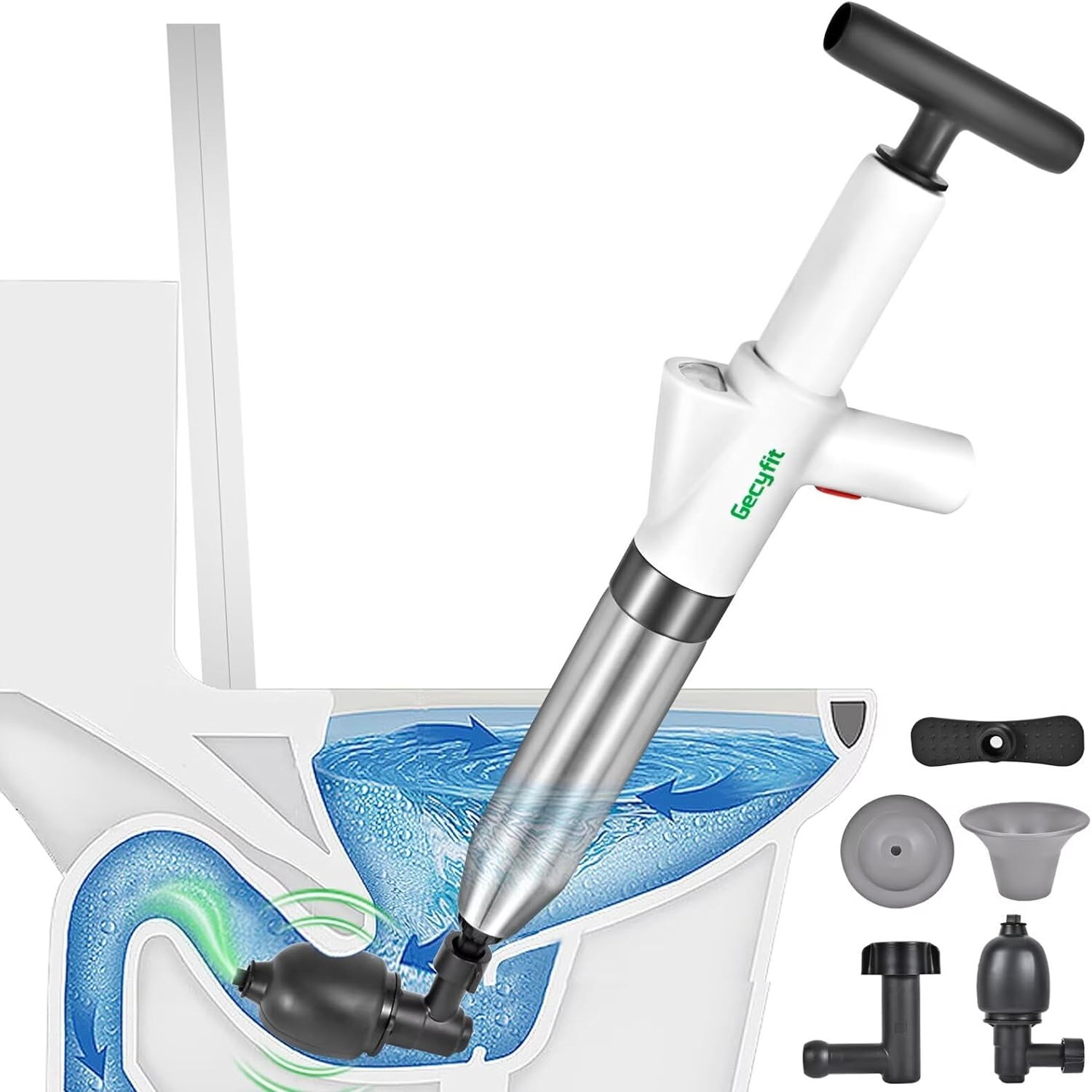
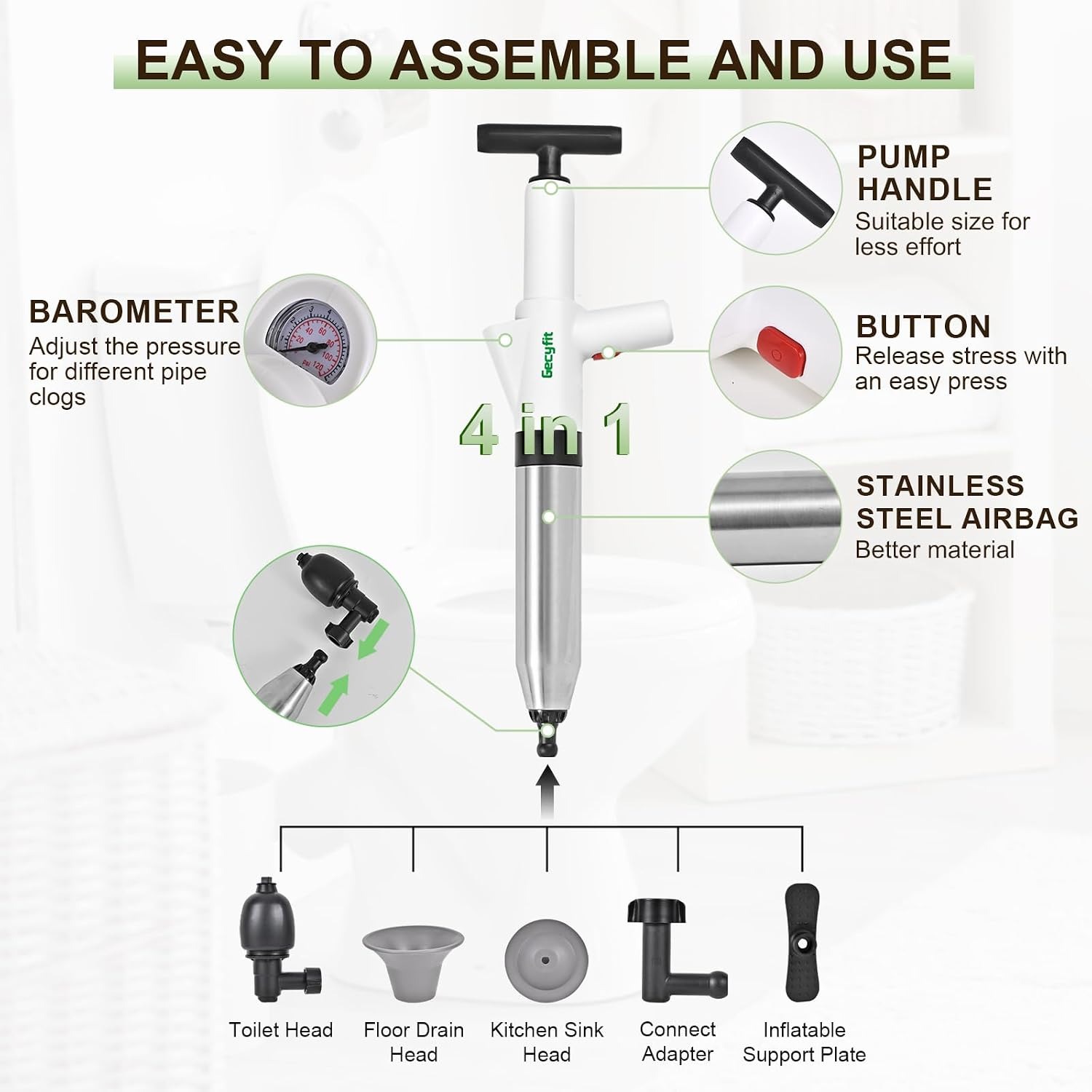
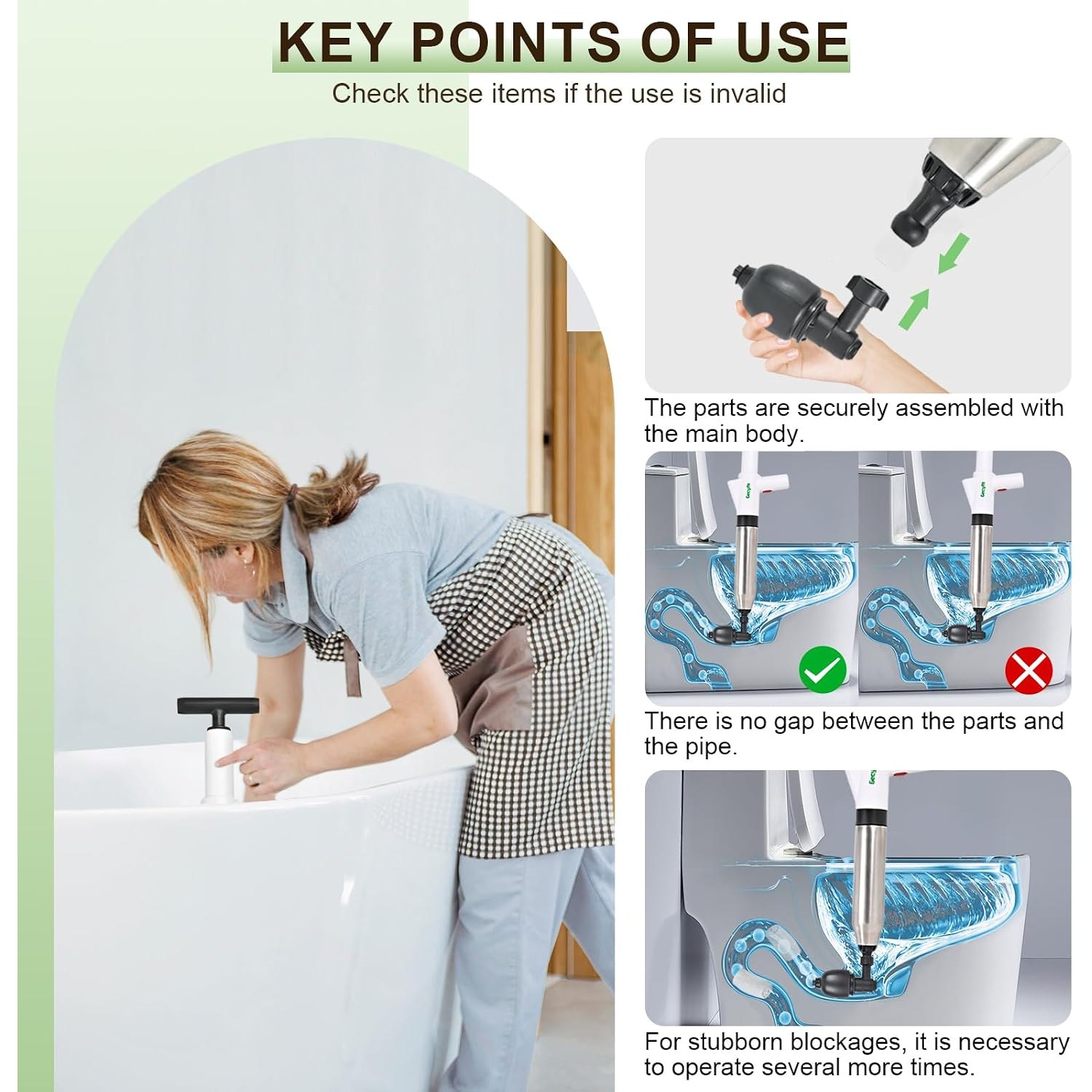
The tool is simple. There is a barrel, a pump handle, a trigger and a detachable head. You pump the handle several times, which compresses air inside the barrel. You then press the head firmly over the drain opening so it seals against the porcelain or the basin, and you pull the trigger.
The stored air releases in a fraction of a second. Because the water sitting above the blockage cannot compress, that air drives the water column forward with real force. The clog either breaks apart or gets pushed past the trap and into the wider pipe where it can wash away.
The seal is the part people get wrong. If the head is tilted, or there is not enough water over the drain, the pressure escapes sideways and you get a splash instead of a result. Press down flat, keep steady downward hand pressure, and only then fire. Two good attempts with a proper seal beat ten rushed ones.
What it clears, and what it will not
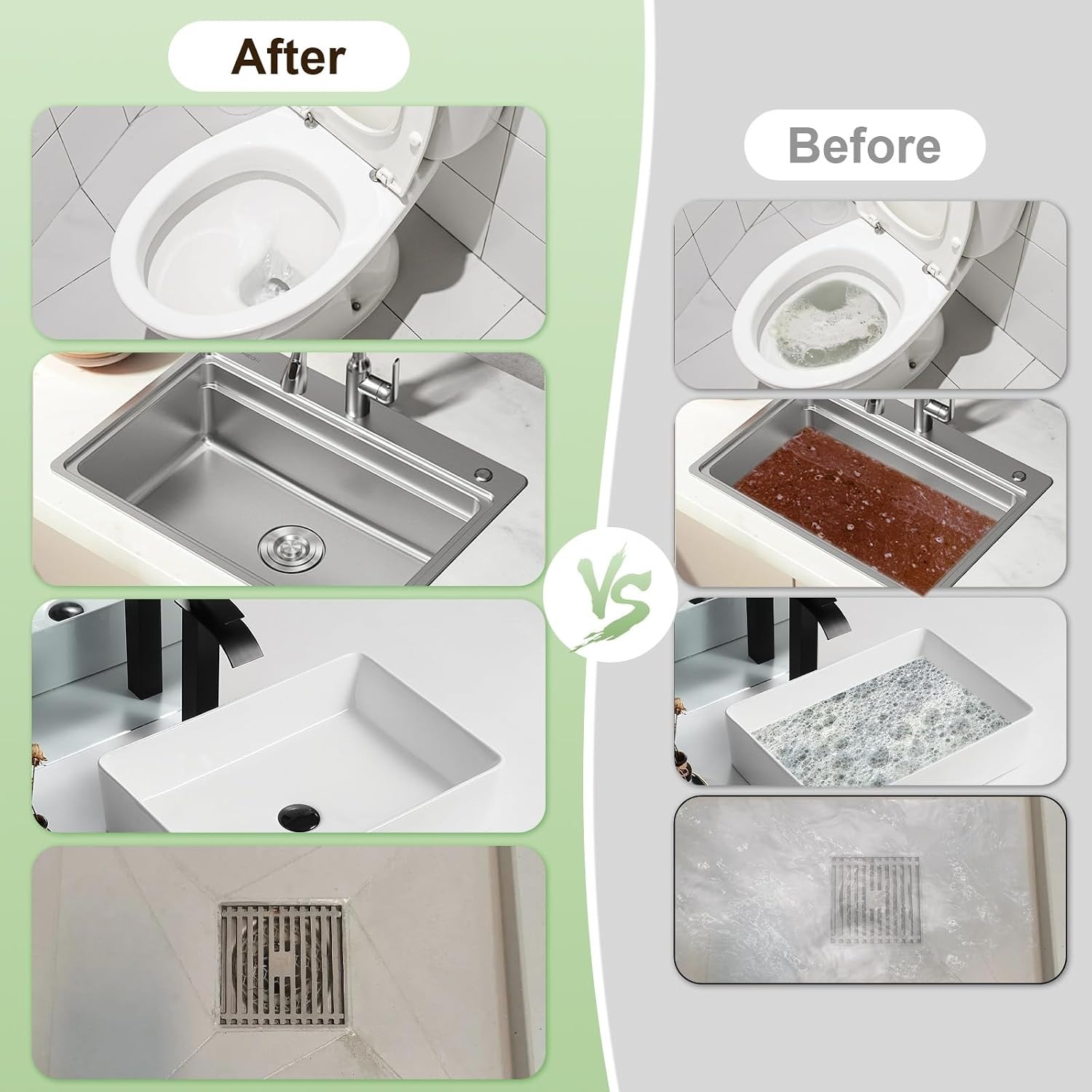
Realistic expectations help. This is excellent on the things that block drains near the fixture. Hair bundled around a shower waste. Tissue and wipes caught in a toilet trap. Food scraps and softened grease at the kitchen sink. Soap scum and the general gunk that collects in a bathroom basin.
It is not a drain machine. If your blockage is twenty metres down the line, or it is tree roots in a sewer pipe, or the pipe itself has failed, no hand tool fixes that. A fair rule is this. If several good attempts produce no movement at all, something structural or deep is going on and it is time to call a licensed plumber. Continuing to hammer at it just wastes your afternoon.
Another sign to stop is water backing up in a second fixture when you plunge the first. If the shower gurgles while you work on the toilet, the shared line is blocked, not the individual trap.
Why skip the chemicals
Supermarket drain cleaner has an appeal because it feels easy. Pour, wait, hope. In practice it has problems. It needs to reach the blockage to do anything, and standing water dilutes it before it gets there. It sits in your pipes. It is dangerous to store in a house with small children. And if it does not work, you now have a blocked drain full of caustic liquid that you have to deal with before trying anything else.
A pressure tool sidesteps all of that. Nothing is added. Nothing has to be neutralised or flushed. If you have a septic tank, you are not killing the bacteria that make the system function. For a lot of households, a chemical free drain cleaner approach is simply less hassle, and a mechanical tool you own forever costs less over time than a bottle every few months.
Who this suits
Renters get a lot out of it. Calling the agent about a slow drain and then waiting a week is nobody's idea of fun, and a small tool in the cupboard solves the minor stuff immediately.
Homeowners with older plumbing, long hair in the house, or a kitchen that sees a lot of cooking tend to need something more than a rubber cup. Same for families with young children, where the occasional toy or half a roll of toilet paper disappears down the bowl.
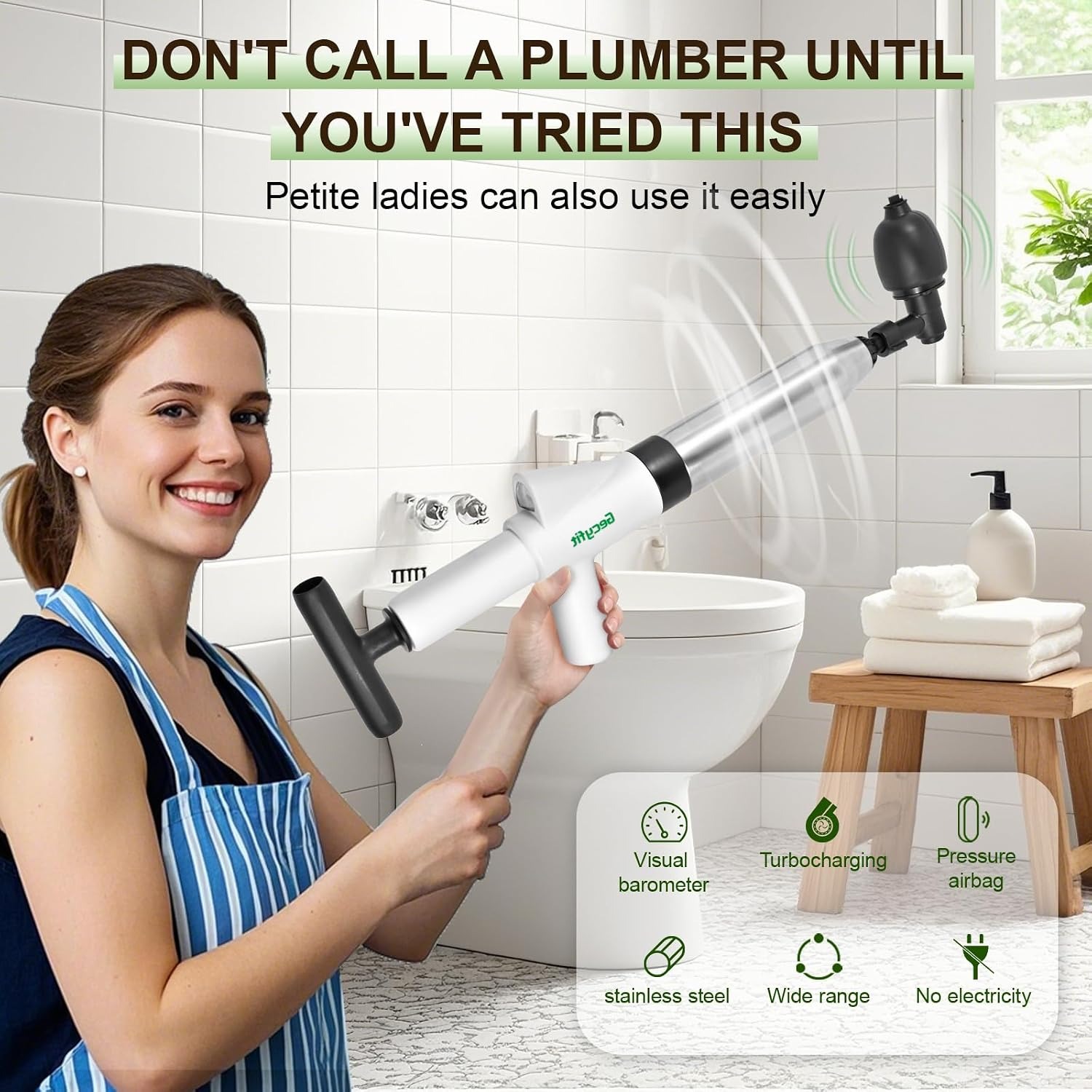
It also suits anyone who would rather not stand there pumping a plunger for ten minutes. The effort is front loaded into a few pumps of a handle, which many people find easier on the shoulders and back.
Choosing the right head
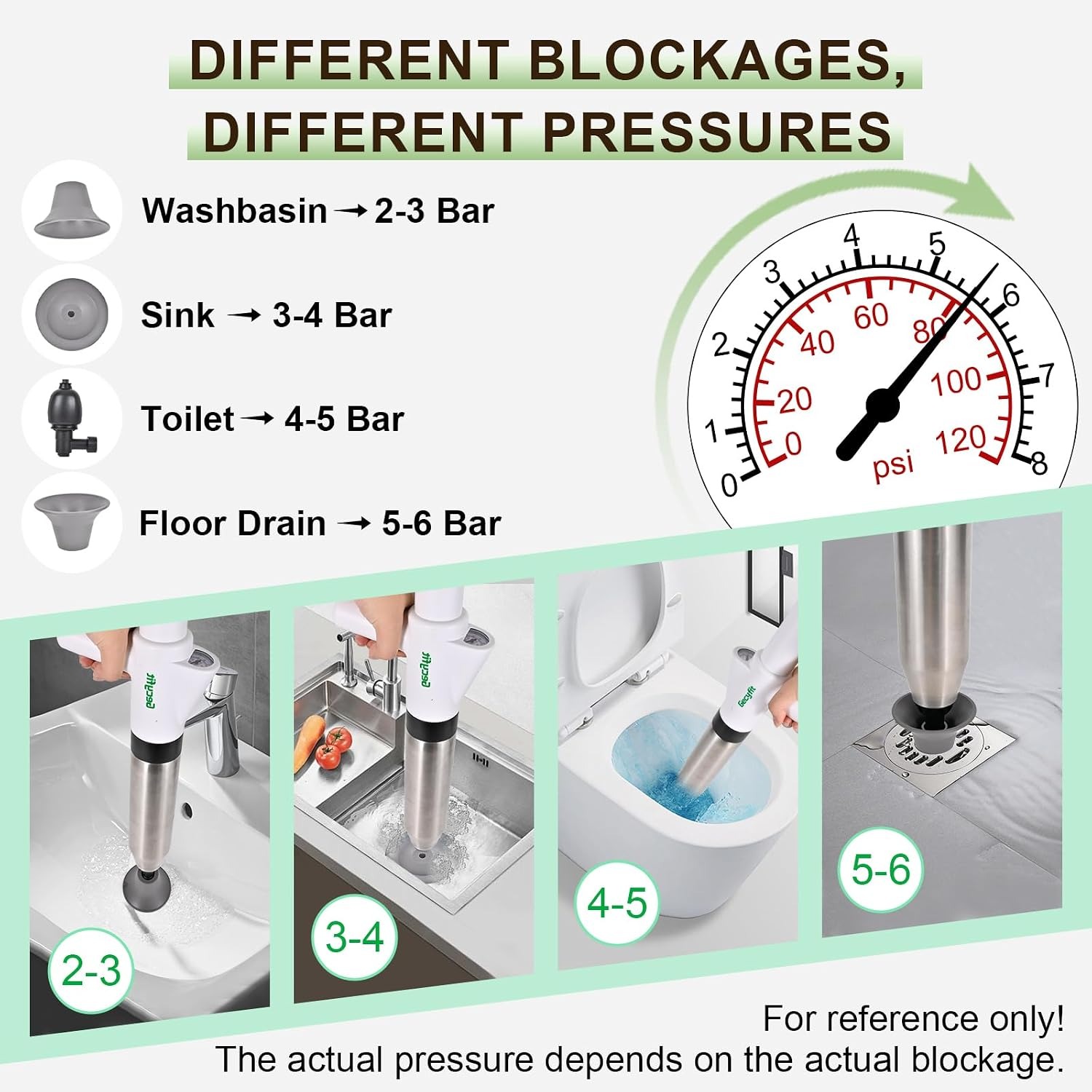
The interchangeable heads are the practical heart of this tool. A toilet outlet is wide and sits at an angle, so it needs a broad flexible head that can conform to the curve. A basin waste is small and flat, so it needs a narrow head with a tight seal. A bath outlet often sits in a slight recess. A shower waste may have a raised grate you need to lift first.
Before you use it, look at the drain and pick the head that most closely matches the opening diameter. You want the head to cover the hole completely with a little margin, not to sit inside it. Dry the surrounding surface if it is slippery, because a wet rim can let the head slide at the moment of release.
Keep the spare heads together with the tool. The usual reason people cannot find the right head is that it ended up in a different drawer six months ago.
Using it safely
A few habits make this a much nicer job. Wear gloves. Have an old towel down around the base of the toilet or the sink. Keep your face well away from the drain when you pull the trigger. Never aim the head at a person, and never fire it into open air for fun, because that is how seals get damaged and how someone gets hurt.
Check there is water sitting over the drain. Make sure no chemical cleaner is in the water. Give it two or three steady attempts, running water in between to check progress, rather than firing continuously.
Care and storage
Looking after it takes under a minute. Rinse the head and the nozzle under clean water so nothing nasty dries on the rubber. Wipe the barrel. Make sure any remaining pressure is released before you put it away so the seals are not sitting under load for months.
Store it upright, dry, and out of direct sunlight. Heat and UV are what age rubber seals, not use. A cupboard in the laundry or a shelf in the garage both work fine.
Every so often, check the seals for cracks or stiffness. A tired seal is usually why a once reliable tool suddenly will not hold pressure, and it is a much simpler fix than replacing the whole unit.
The short version
A blocked drain is a small problem that feels enormous at the time. This tool handles the common causes, hair, tissue, food waste and grease, with a sharp burst of air rather than endless manual pushing. It needs no power, no batteries and no chemicals, and the swappable heads mean one purchase covers the toilet, the sink, the shower and the bath.
Get a good seal, keep some water over the drain, and give it a few honest attempts. For everyday blockages that is usually all it takes. For anything that will not move after that, call a plumber and let them bring the big gear.