
The complete guide
How To Choose And Use A Drain Unblocker Tool Kit
The slow drain nobody deals with until it is too late
It never starts as an emergency. The basin takes a few seconds longer to empty. The shower tray holds a shallow puddle while you rinse your hair. A month later you are standing in two inches of grey water and wondering when exactly this became normal.
Almost all of these blockages have the same cause. Hair comes off in the shower, soap and conditioner coat it in a sticky film, and the whole thing snags on the first rough edge it finds inside the waste pipe. In the kitchen, swap hair for cooking fat and food scraps. The result is the same: a soft plug sitting a few inches below the plughole, growing a little every week.
The useful thing about that is the location. The clog is almost always close enough to reach by hand with the right tool. You do not need a van full of equipment. You need something thin, long and hooked that can go in, grab the mess, and come back out with it.
How a drain snake does its job
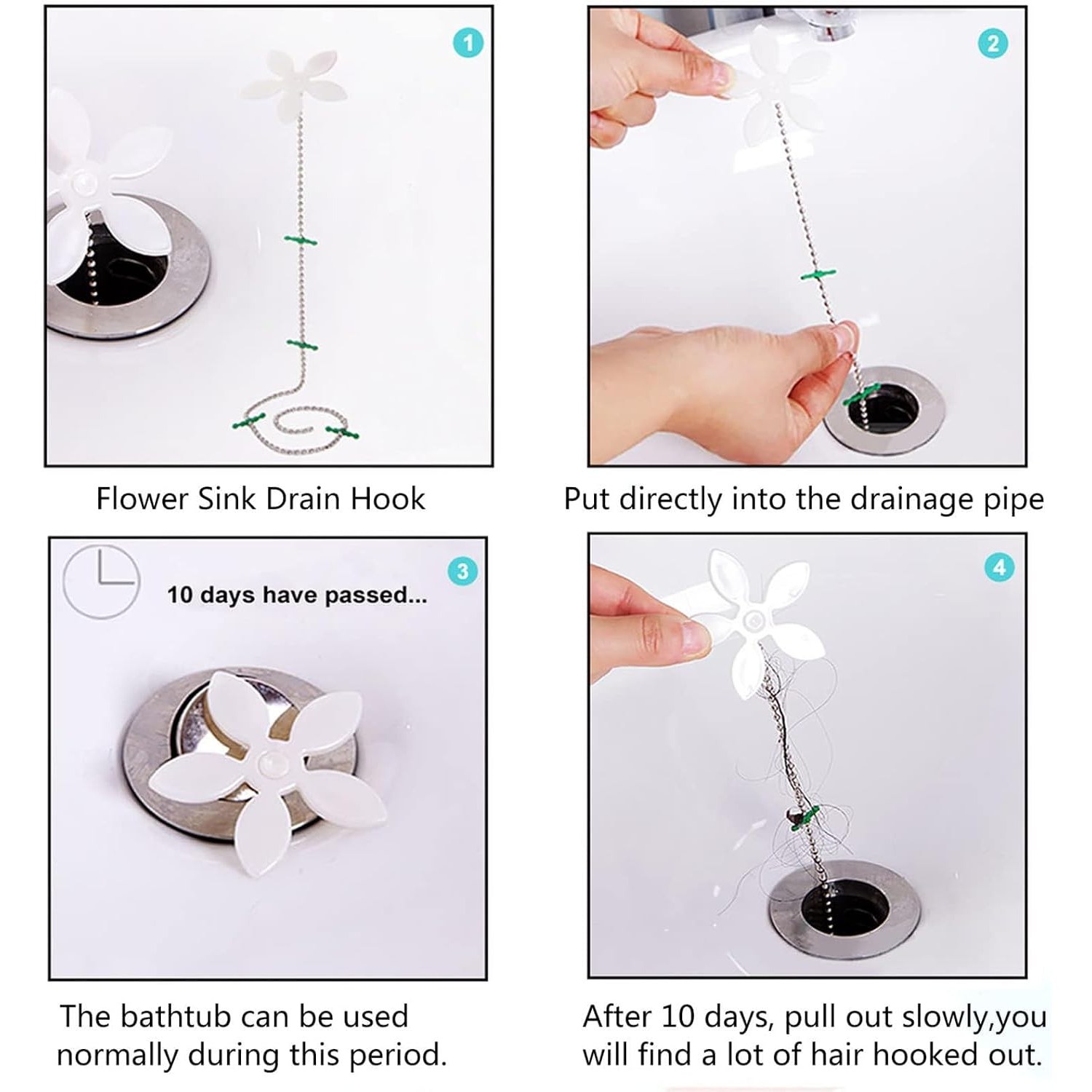
A drain snake is a mechanical solution to a mechanical problem. There is no reaction, no fizzing and nothing dissolving. You feed the tool down the drain until it stops moving freely, which tells you where the blockage sits. Then you twist it. The barbs, hooks or coil wind into the hair and soap in the same way a fork winds into spaghetti. When you draw the tool back out, the clog comes with it.
This matters because of what the alternative does. Chemical drain cleaners work by dissolving part of the obstruction, usually just enough to reopen a narrow channel through the middle. Water flows again, so it feels fixed. But most of the clog is still there, coating the pipe wall, and it starts closing up again almost immediately. That is why people who rely on bottles end up buying bottles forever.
Pulling the clog out physically breaks that cycle. The pipe is actually clear, not just perforated.
What the six piece kit gives you
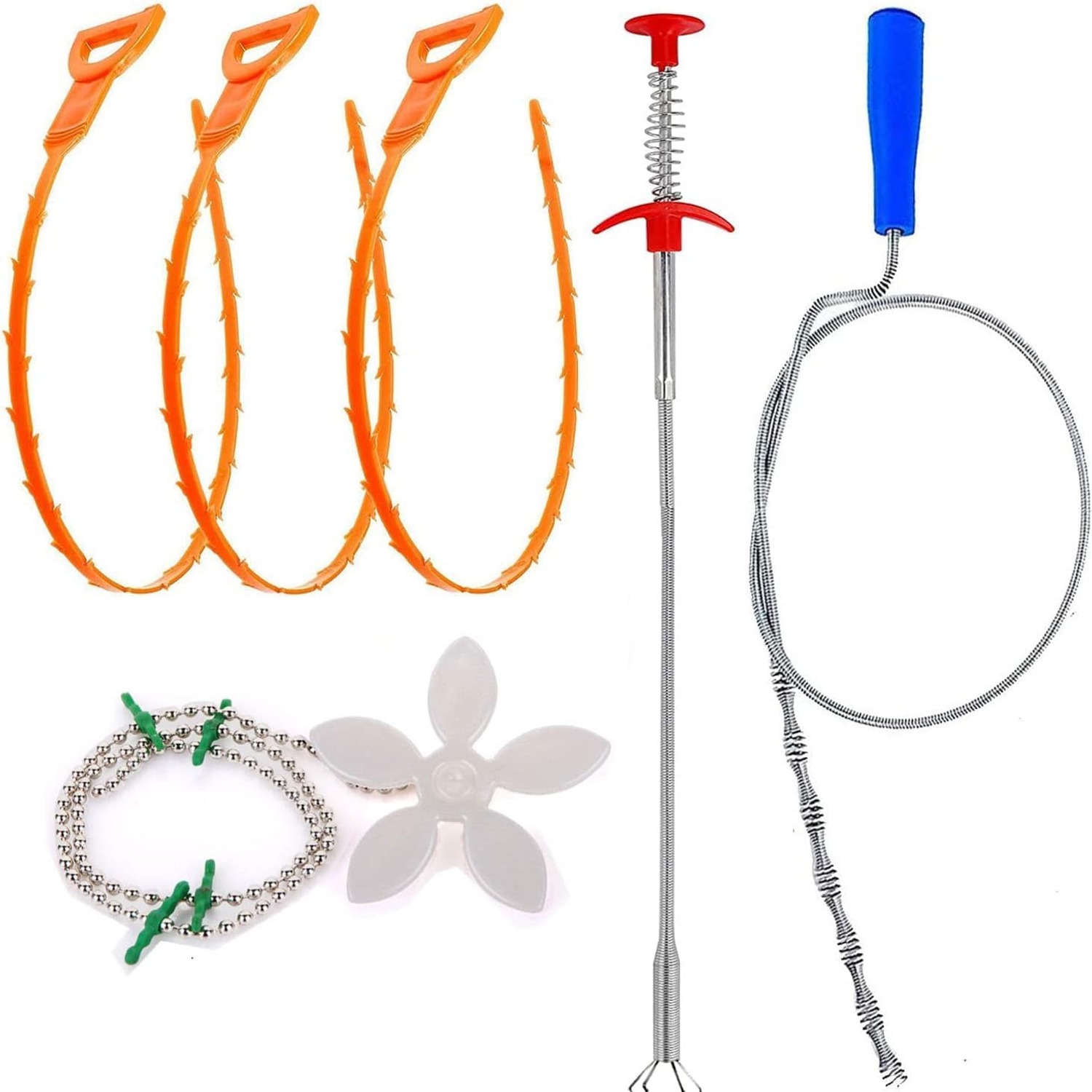
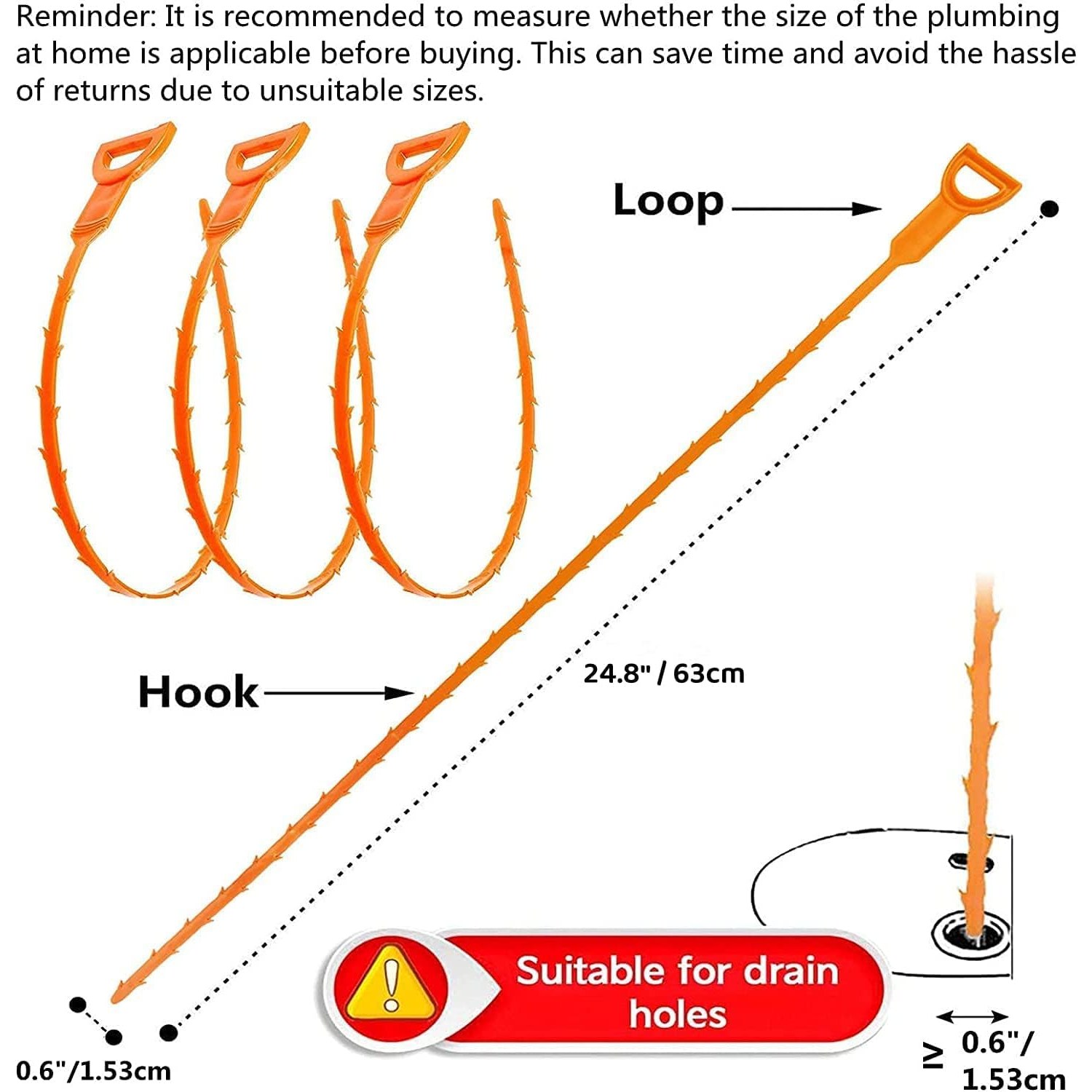
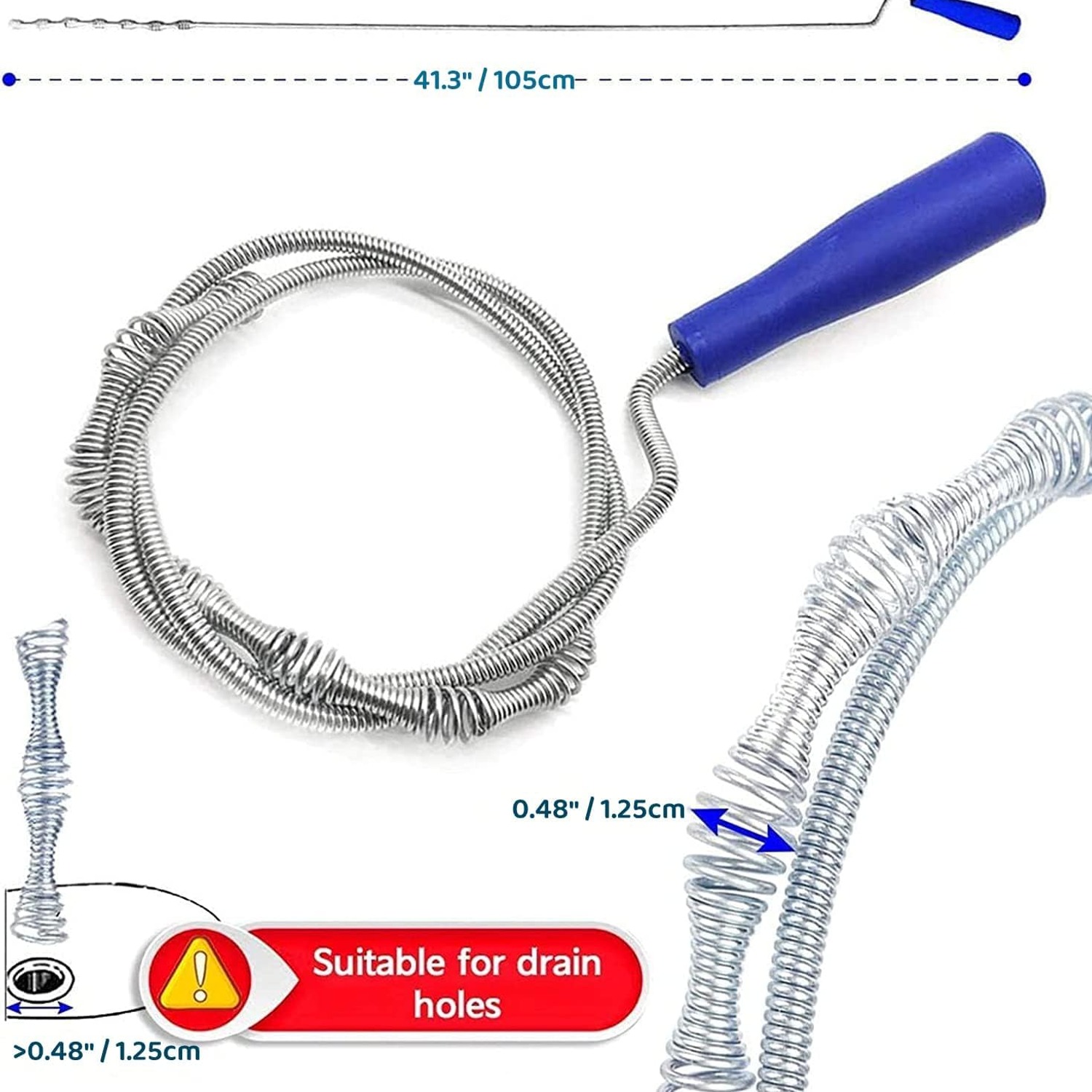
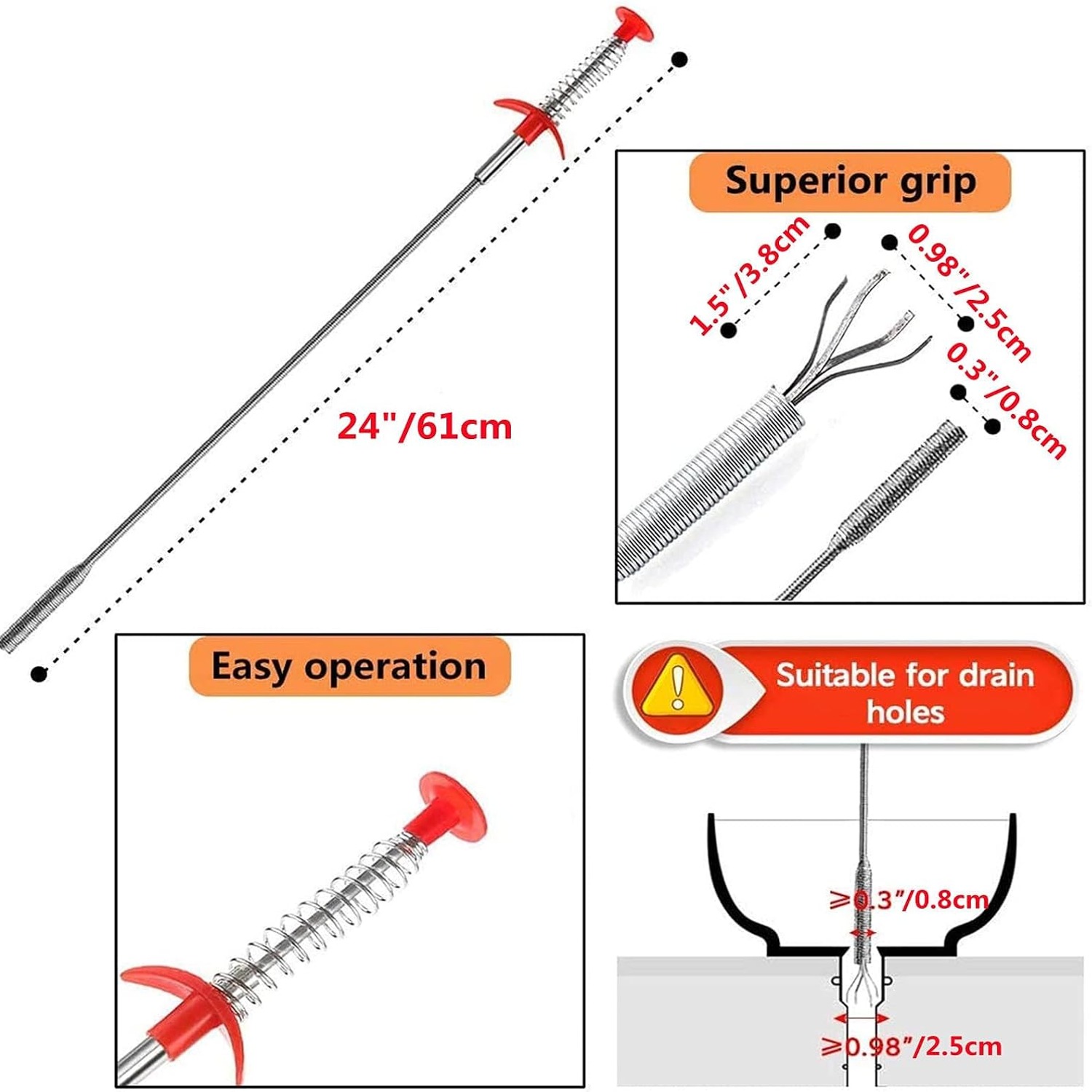
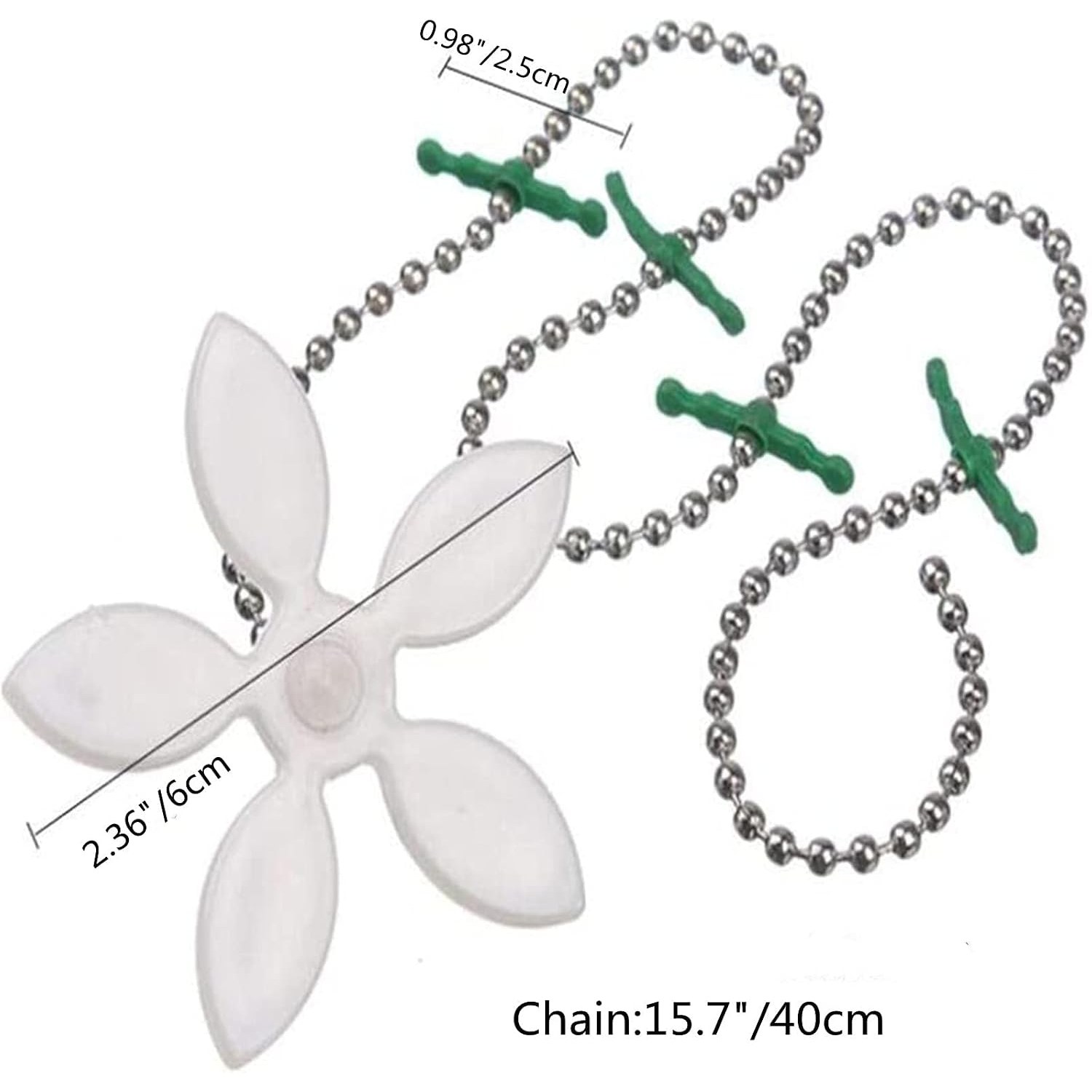
The set includes six tools across four styles, in lengths of 41.3 inches, 24.8 inches, 24 inches and 17.3 inches. That variety exists for a reason. Drains are not standard.
A shower waste is deep and often has a long run before the trap, so you want the 41.3 inch tool to get past the bend. A bathroom basin is shallow with a tight pop-up waste, where a shorter, thinner tool gives you far more control. A floor drain is at ground level and awkward to work over, so the 17.3 inch option saves you fighting with a long tail of slack. A laundry tub sits somewhere in the middle.
If you only own one tool, you compromise on every drain in the house except one. Owning a spread means you can match the tool to the job, which usually turns a frustrating twenty minute struggle into a three minute task.
The tools use stainless steel and PP plastic. The steel gives them enough stiffness to push through a soft clog without folding, and the plastic keeps them flexible enough to follow a curve rather than jam against it. Both materials rinse clean under a tap, which is what makes the kit reusable rather than disposable.
Who this suits
Households with long hair get the most out of a shower drain snake, simply because they generate the most of what causes the problem. If there are two or three people with shoulder-length hair sharing one bathroom, a monthly pass is realistic maintenance, not overkill.
Renters do well with a kit like this too. You cannot start dismantling pipework in a property you do not own, and calling the agent about a slow drain can take weeks. A tool that works through the existing plughole, without removing anything, keeps you well inside what a tenant can reasonably do.
It also suits anyone in an older place with narrow or rough-walled waste pipes, where build-up catches more readily. And it suits people who would simply rather not keep caustic liquids under the sink, especially with small children or pets in the house.
Where it is not the right answer: a blocked toilet, which needs a dedicated closet auger, and a blockage in the main sewer line outside the house, which needs professional gear. If the longest tool in the kit reaches full depth and finds nothing while the water is still backing up, you have moved beyond a fixture clog.
Choosing the right tool for the drain in front of you
Start by looking at the opening. If you can see down into the pipe, pick a tool that passes through the gap without being forced. If the plughole has a fixed grille, check whether it unscrews. Many do, and five minutes with a screwdriver makes the whole job easier.
Then think about depth. Reach down with the shortest tool that plausibly fits. If it meets resistance quickly, that is your clog and you are done. If it goes in freely to its full length and comes out clean, step up to the next length. Working short to long gives you the most control and the least mess.
Angle matters more than force. When the tool stops, do not shove. Back it off an inch, rotate it a quarter turn, and try again. Pipes have bends, and the tip needs to find the opening rather than batter its way through.
Doing the job without making a mess
Lay an old towel around the drain and put gloves on before you start. What comes up is genuinely unpleasant and you will want somewhere to put it.
Feed the tool in slowly. When you feel it catch, rotate several full turns in the same direction, then draw it back steadily rather than yanking. Pull the debris off into a bin, not back into the sink, and go again. Two or three passes is normal.
Finish by running hot water for a minute or two. This flushes the loosened film that the tool stirred up but did not grab. In a kitchen, a kettle of hot water and a squirt of dish soap helps shift the remaining grease.
If the drain is still slow after several passes, try the next tool up in length before assuming the worst. The clog may simply sit deeper than you thought.
Looking after the kit
Rinse each tool under hot running water as soon as you are finished, using an old brush and a little detergent on the hooked sections. Dry them properly before they go away. Steel left damp in a dark cupboard will eventually show it.
Store the flexible tools hanging or loosely coiled. Repeatedly folding them into tight kinks weakens the same spot over and over. A hook inside a vanity door or on the back of the laundry cupboard keeps them accessible and dry.
Used and stored this way, the kit stays serviceable for years, which is really the point of buying a tool instead of a consumable.
The short version
Slow drains are usually a soft hair and soap clog sitting within arm's reach of the plughole. A drain unblocker tool kit pulls that clog out instead of partly dissolving it, which fixes the problem properly rather than postponing it. Six tools in four lengths means you have something suitable for the shower, the basin, the kitchen sink, the bathtub and the floor drain, rather than one compromise tool for everything. It costs a fraction of a plumber call-out, uses no chemicals, rinses clean, and lives in a cupboard until the next time the water starts to gurgle. For most households, that is the entire problem solved.