



The complete guide
How to Choose a Bath Overflow Drain Cover for a Deeper Soak
The problem with the hole in your bath
Run a bath and watch where the water stops. For most people it stops at a small metal plate on the end wall of the tub, a few inches below the rim. That is the overflow, and it is doing exactly what it was built to do: letting water escape before it reaches the floor.
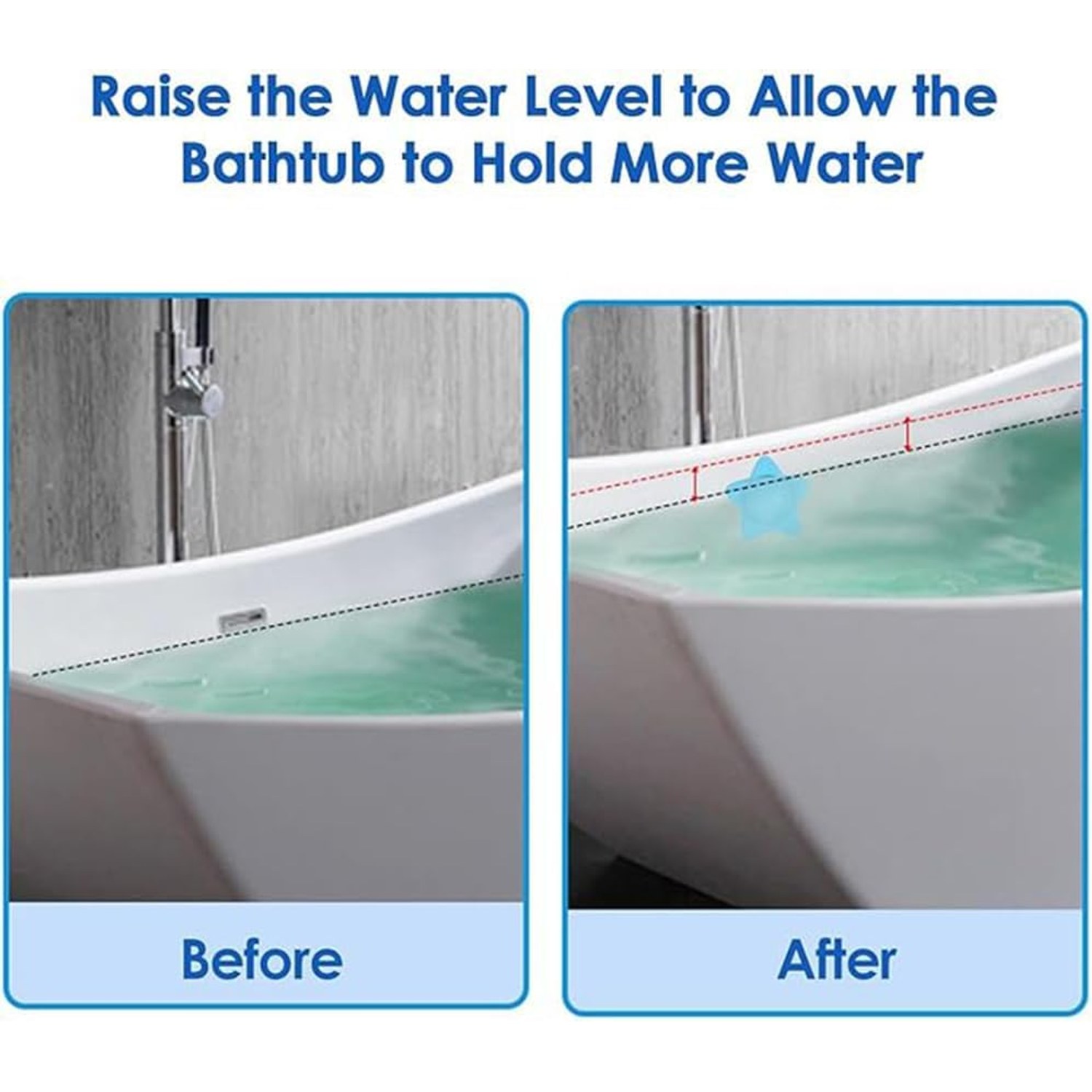
The trouble is that the people who set that height were thinking about flooding, not about comfort. On a lot of modern baths, especially shallower ones fitted into small bathrooms, the overflow sits so low that you end up half in and half out of the water. Your shoulders are cold within two minutes. You top up with hot, the level creeps back up to the hole, and the warm water you just paid for disappears down the pipe.
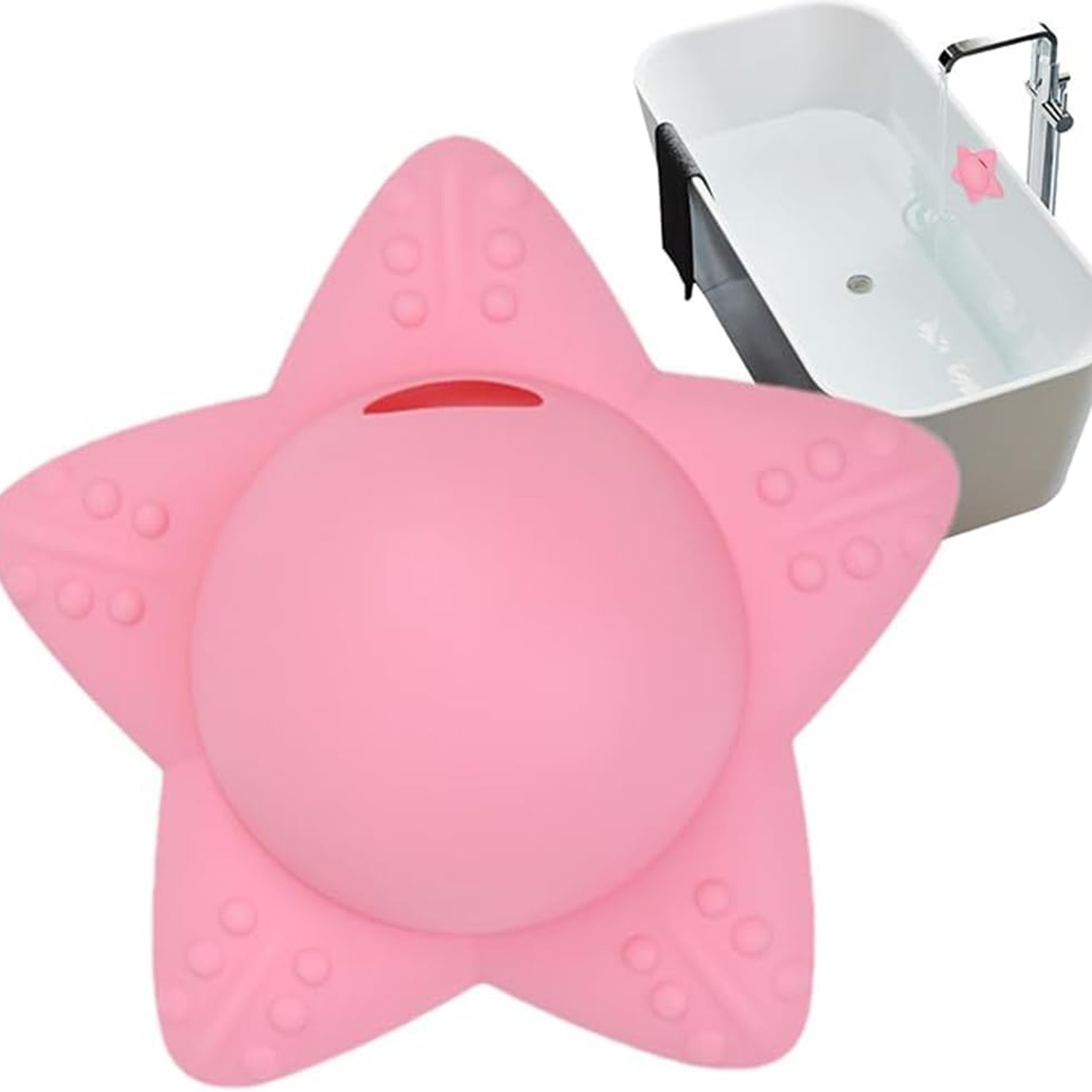
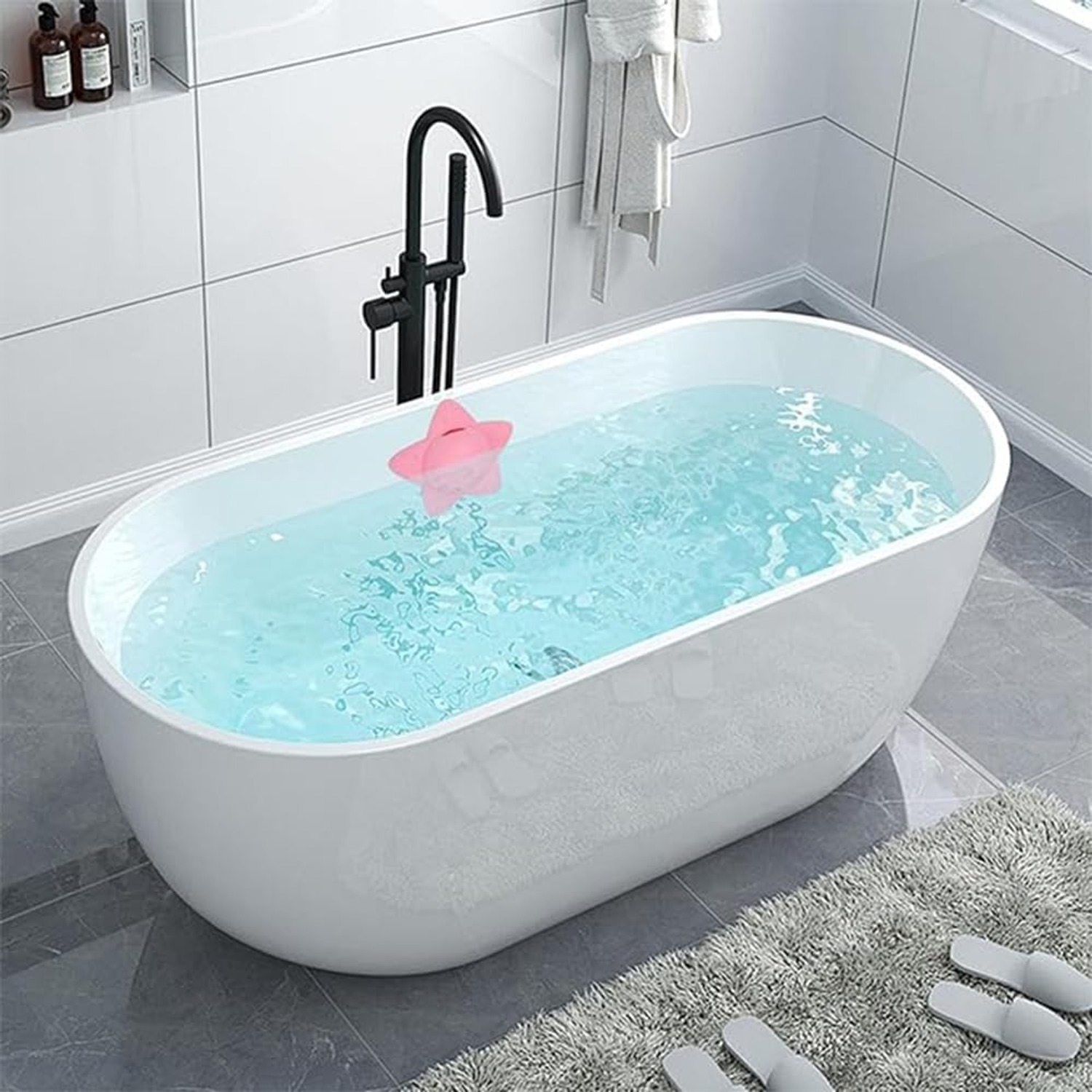
A bath overflow drain cover fixes that without touching the plumbing. It is a panel that goes over the overflow opening and holds water back, so the usable depth of your tub becomes the rim rather than the hole. For a lot of baths that is a few extra inches, which is the difference between a rinse and an actual soak.
How the cover works
The design is simple on purpose. A silicone panel covers the overflow plate and suction cups on the back hold it against the tub wall.
Silicone is the right material for the job because it bends. Bath walls are rarely perfectly flat, and a rigid plastic plate would bridge the curve and leave gaps at the edges. A soft panel flexes into the shape of the surface so the cups can sit square against it and squeeze out the trapped air.
Getting a good seal comes down to three things. The surface needs to be clean, the cups need to be wet, and you need to press each one individually rather than slapping the whole panel on at once. Wet cups slide into place and then grip as the water film thins out. Dry cups just skate around and pop off a minute later.
Fit it with the vent holes at the top, facing upwards. Those holes sit above your intended water line and give the overflow something to fall back on if the level climbs higher than you expected. They are a backstop, not a licence to walk away from a running tap.
Who this suits
If you have a deep freestanding bath and you already struggle to fill it with hot water, you probably do not need this. The people who get the most out of a cover are the ones with a standard built-in tub where the overflow sits low.
It is also an easy win for renters. There is no drilling, no silicone sealant and no adhesive pad. It goes on, it comes off, and the bathroom looks exactly as it did when you moved in. That makes it one of the more practical bathroom upgrades for anyone who cannot make permanent changes.
Taller people notice the difference most. If you are over about 180 cm, a standard bath barely covers your legs when it is filled to the overflow. Raising the line gives you somewhere to put your shoulders.
Parents sometimes pick one up for a different reason. The overflow plate is a hard metal fixture at head height for a small child sitting in the tub, and a soft silicone panel over it is less unforgiving. That said, no accessory replaces supervision, and children should never be left alone in a filled bath.
Choosing the right one
The first thing to check is the area around your overflow. Suction needs a smooth, non-porous surface, so run your hand over the wall of the tub where the cups will land. Acrylic and good enamel are fine. Textured finishes, tile and anything with a seam running through it are not, because air will leak under the cup edge.
Next, look at the geometry. Some overflow plates sit in a shallow recess rather than flush with the surrounding surface. If yours does, the cups need enough flat ground outside the recess to grip. the maker's details does not list overall dimensions for the cover, so measure the flat zone around your plate and keep that figure in mind.
Then think about the water level you actually want. The cover does not add depth by itself. It removes a limit, and your tub rim becomes the new one. If your overflow is only an inch below the rim, the gain will be modest. If it is four or five inches down, the difference is significant.
Finally, consider how you will use it day to day. A cover that lives on a hook next to the shower gets used. One that gets buried under towels in a cupboard does not. It weighs 0.08 kg, so hanging it somewhere obvious costs you nothing.
Fitting it properly the first time
Clean the tub wall before the first fit. New baths carry a film from manufacturing, and used ones carry soap residue. Warm water and a little dish soap, rinsed off, is plenty.
Hold the cover up to the overflow and check the orientation. Vent holes at the top. Centre it over the plate so the cups land on flat surface on both sides.
Wet each cup under the tap, then press the cover on from the middle outwards. Push each cup down with your thumb until you feel it flatten. Give the panel a gentle tug to confirm it has taken hold.
Fill the bath slowly the first time and watch the line. Stop while there is a comfortable margin below the rim, allowing for the water you will displace when you get in. That displacement catches people out, so leave more room than feels necessary on the first attempt.
Looking after it
Care is undemanding. Rinse the cover after each bath, wipe the cups, and let both sides dry before you put it away. Bath oils and heavy conditioners leave a greasy film on silicone, which is the single most common reason suction fails after a few weeks.
If grip starts to go, do not replace the cover. Wash the cups and the tub wall with warm soapy water, rinse thoroughly, dry, and refit with fresh water on the cups. Nine times out of ten that restores it completely.
Keep bleach soaks, scouring pads and anything sharp away from it. Silicone handles heat and water well, but a nick in a suction cup rim is permanent and the cup will never seal again.
Store it flat or hanging. Folding it hard and leaving it folded for months can set a crease into the panel, which works against the flat seal you want.
The short version
A bath overflow drain cover is a cheap, reversible way to make an ordinary bath deeper. It is a silicone panel with suction cups that sits over the overflow hole, held in place with nothing but water pressure and a clean surface.
Check that the area around your overflow is smooth and flat, fit it with the vent holes up, and never leave a running tap unattended while it is on. Rinse it after use and let it dry.
This product covers one silicone cover in pink, weighing 0.08 kg, from FUWIND, model ABCC234. Overall dimensions are not specified by the maker, so measure your own overflow area if you want certainty before ordering. For most standard tubs it is a five second job that gives you several more inches of hot water, every bath, for as long as you own the thing.