
The complete guide
Click Clack Basin Plug Replacement: How To Pick The Right Bolt
The small part that ruins a basin
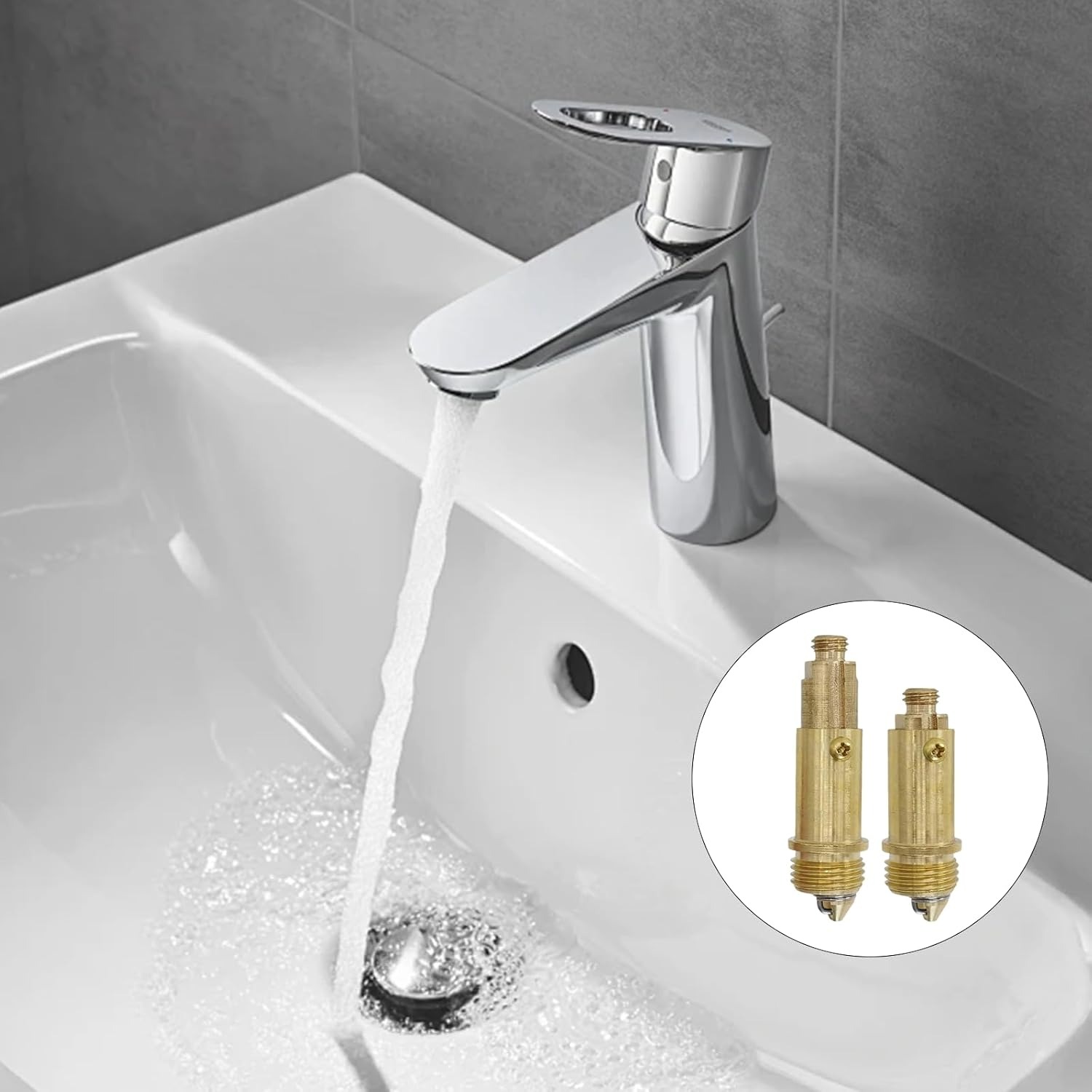
You fill the basin to shave or soak a jumper, walk away, and come back to an empty bowl. Or the opposite happens, the plug sinks down and will not come back up, so the water sits there going cold. Either way, the basin has stopped doing its one job.
The instinct is to blame the whole drain. Most of the time, the drain body is fine. The failure sits in the bolt at the centre, the spring-loaded core that makes the click clack mechanism work. Springs fatigue. Grit works its way into the latch. A plated part corrodes at the thread. The rest of the assembly, the waste body cemented into the basin and the trap under it, carries on perfectly well.
Replacing that bolt costs a fraction of replacing the whole waste, and it does not involve breaking a seal, draining a trap or hunting for a plumber on a Saturday.
How a click clack mechanism actually works
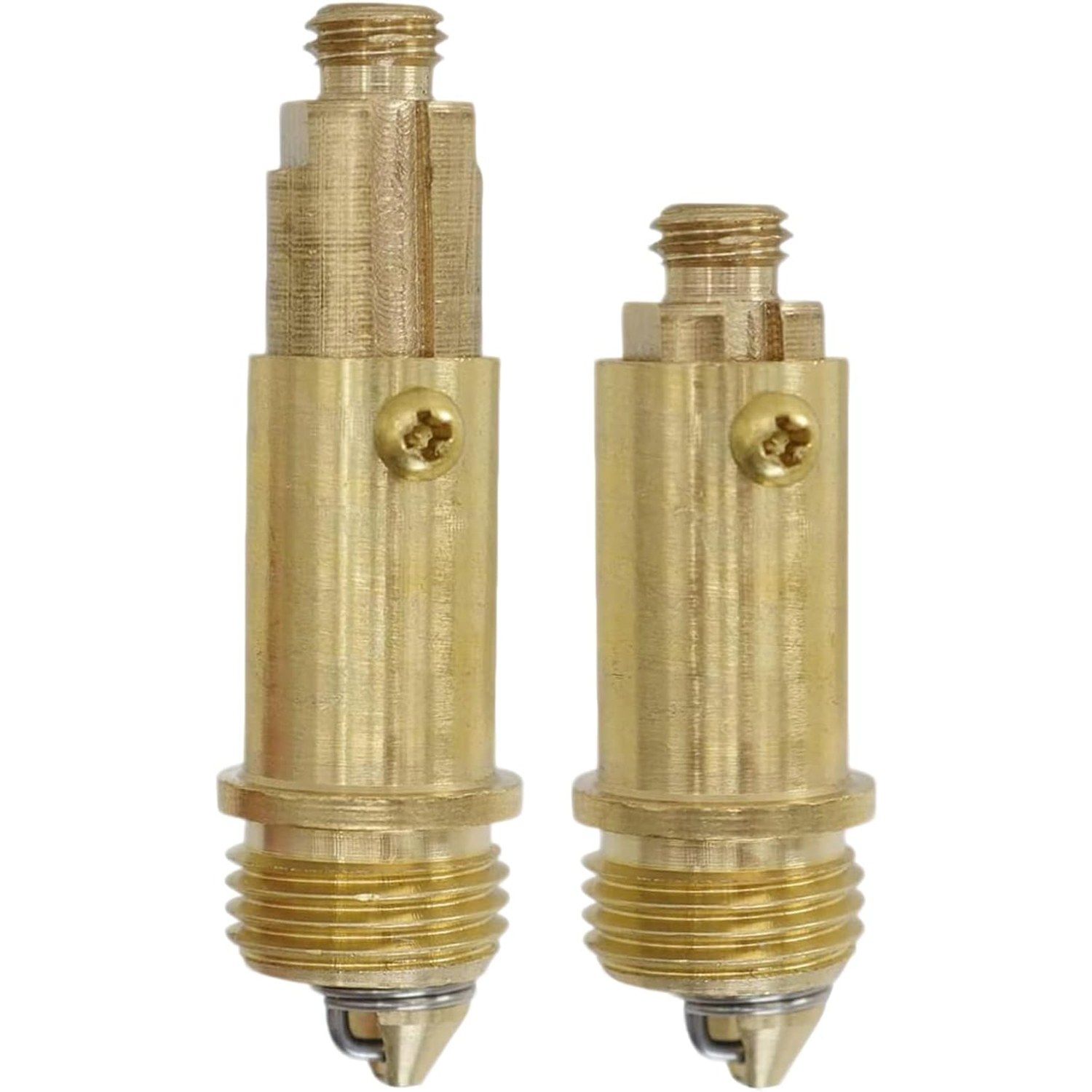
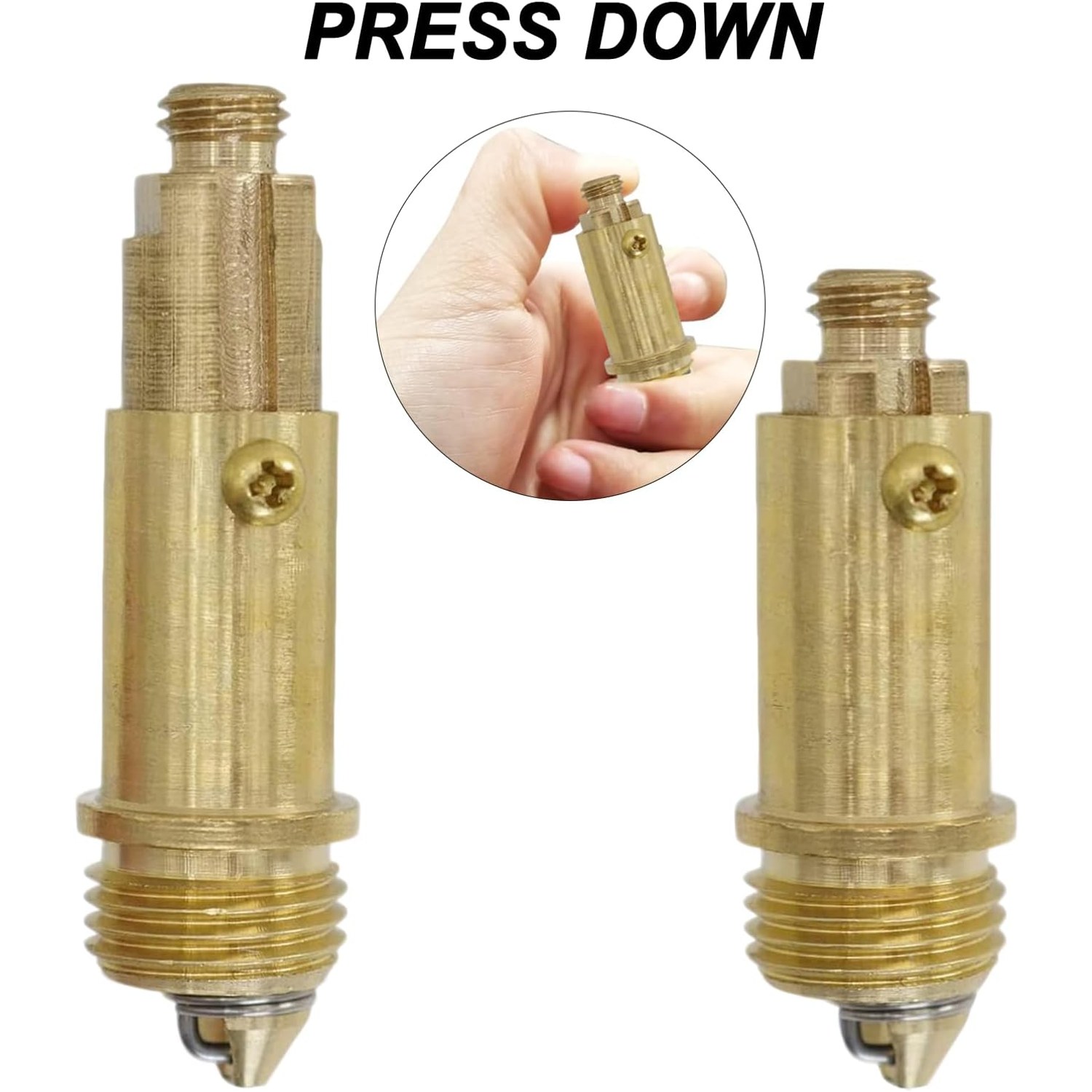
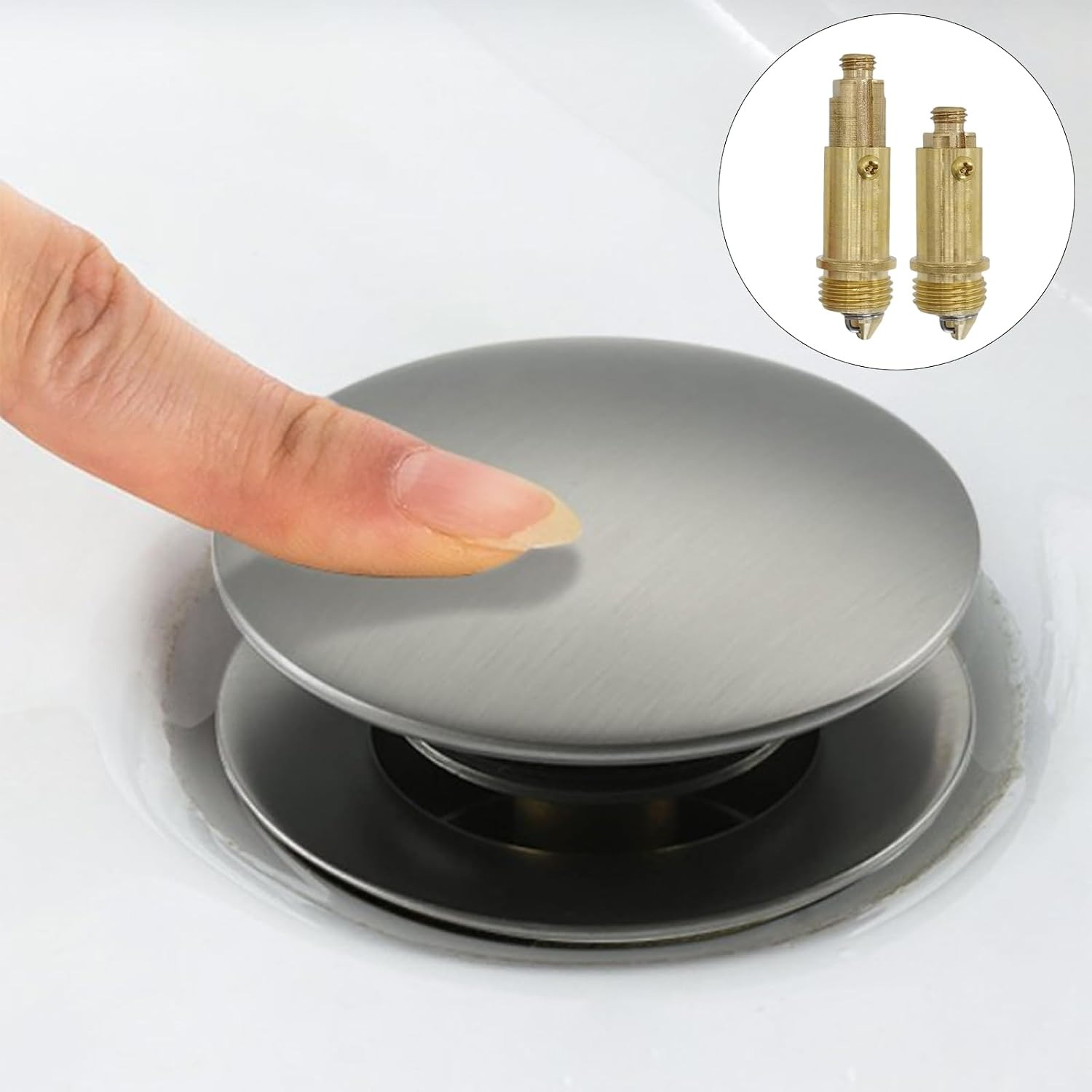
The name describes the sound. Inside the bolt is a spring and a small cam latch. Press the stopper cap down and the cam catches, holding the plug in the sealed position. Press again and the cam releases, the spring pushes the bolt back up, and the plug lifts clear so water can run out.
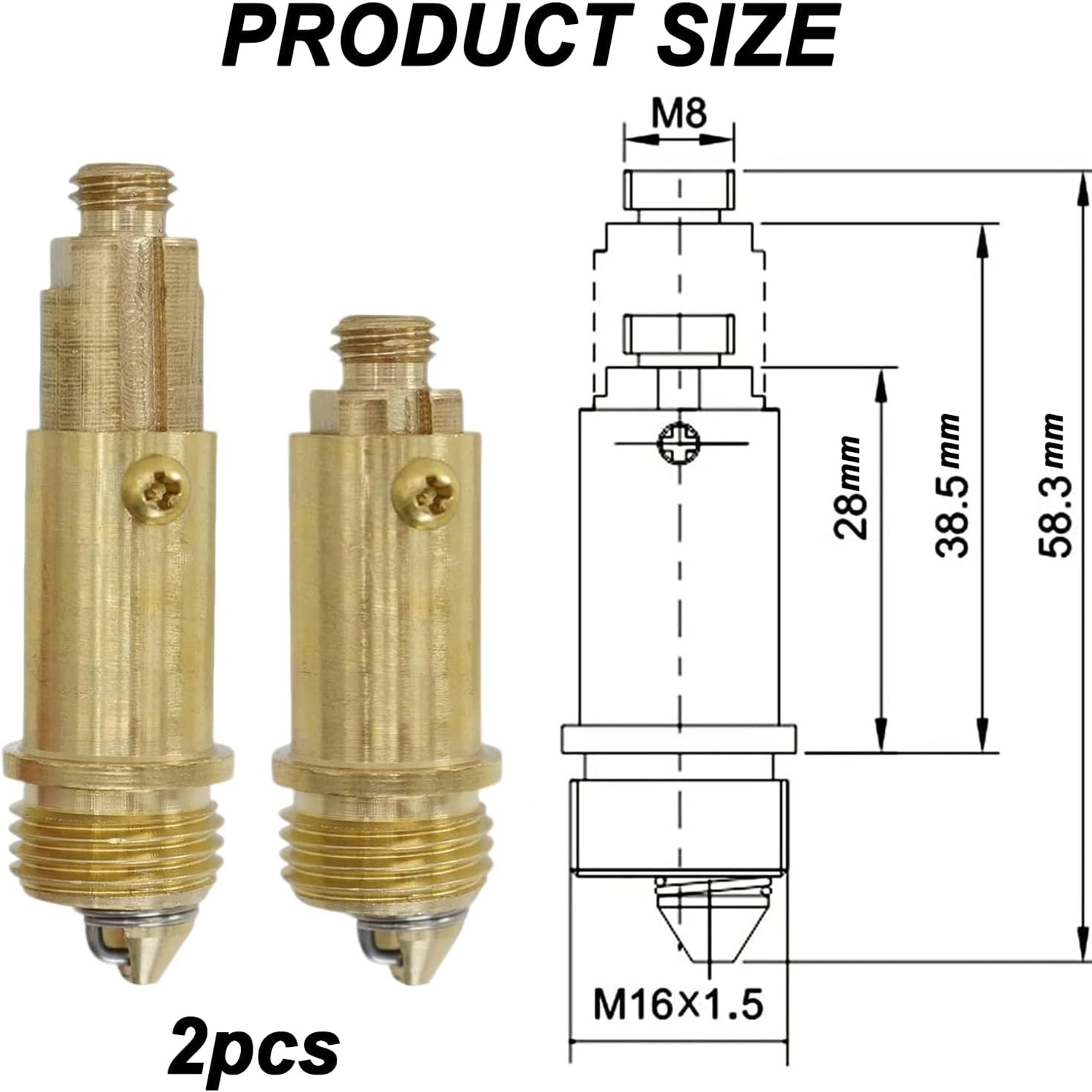
On this set, the closed height is 28 mm and the pop up height is 38.5 mm. That 10.5 mm of travel is the gap the water escapes through. If your plug only rises a millimetre or two, the spring has given up or something is wedged in the mechanism.
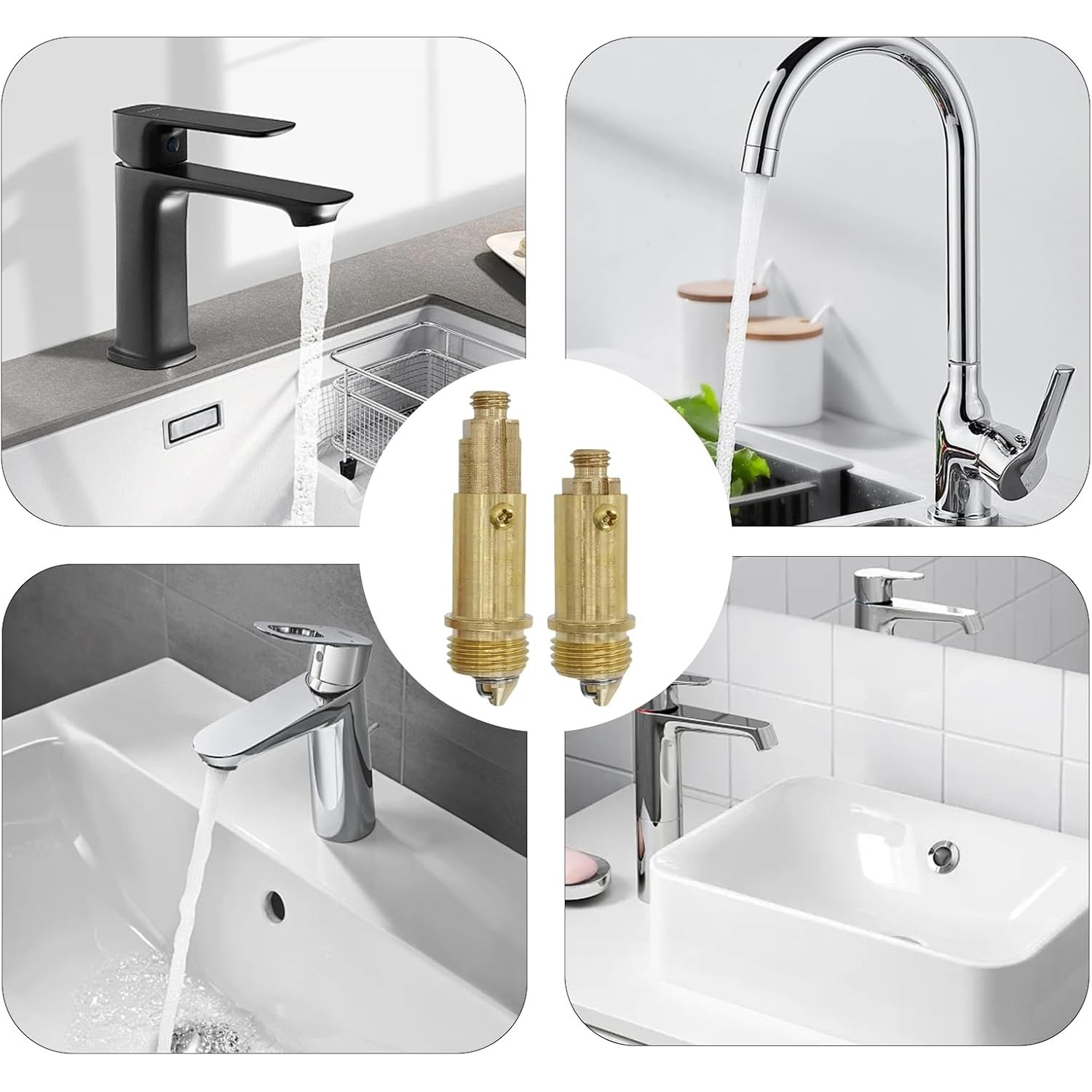
The bolt threads in two directions. The bottom thread, M16x1.5 here, screws down into the waste body. The top thread, M8, accepts your stopper cap. That is why a bolt replacement works so neatly: it is a sandwich filling, and you keep the bread on both sides.
Measure before you buy
This is the part people skip, and it is the main reason spare bolts get returned. Basin wastes are common but not fully standardised, and a few millimetres of difference means the cap sits proud or the plug never seals.
Take the old bolt out and check three things. First, the diameter of the bottom thread, which should measure 16 mm across with a 1.5 mm pitch to match this set. Second, the diameter of the top thread, which should be 8 mm. Third, the overall height from base to top with the plug extended, which here is 58.3 mm.
If you cannot get the old bolt out because it is seized, soak the area in warm water with a splash of white vinegar for twenty minutes. Limescale is usually what is holding it. Wrap pliers in a cloth before gripping, so you do not score the finish on the waste body.
A quick tip for anyone shopping for the best basin stopper spare part online: photograph the old bolt next to a ruler before you throw it out. It saves a lot of squinting later.
Why brass matters here
A basin bolt lives in the wettest few centimetres of your house. Water, soap, toothpaste and whatever cleaning product gets splashed around all sit on it daily. Material choice decides how long it lasts.
Brass is the standard answer. It does not rust the way iron does, it tolerates constant damp, and it holds a thread without softening. Plated zinc parts look identical in a photo but tend to pit at the thread after a year or two in hard water. Plastic cores are cheaper again, and they are the ones that snap.
These bolts are brass with a gold finish. In practice the finish is mostly hidden once the stopper cap is screwed on, so it is doing a protective job more than a decorative one. If you have brushed brass or gold tapware, any visible edge blends in rather than clashing.
Who this suits
Homeowners dealing with one stubborn basin. Renters who want a fix the landlord will not argue about, since nothing permanent changes. Landlords and property managers, who tend to see the same complaint across multiple units and like having a box of spares in the van.
It also suits anyone doing a light bathroom refresh. If the tapware is fine and the basin is fine but the plug feels tired, swapping the bolt restores the action for very little money. People searching for the best pop up plug spring bolt are usually in exactly this position: one small thing wrong, no appetite for a renovation.
Two bolts in the pack is a practical quantity. Houses with more than one bathroom usually have identical wastes throughout, and the second plug tends to fail not long after the first.
Fitting it, step by step
Block the open drain with a folded cloth first. Screws and washers find pipes with impressive accuracy.
Unscrew the stopper cap from the top of the old bolt, turning anticlockwise. Then unscrew the bolt itself from the waste body. Both should move by hand on a well-maintained basin, though age and limescale can make the second one stiff.
Clean out the recess in the waste body. There is almost always a ring of hair, soap and toothpaste sitting in there, and leaving it in place is a fast way to make the new bolt feel gritty.
Thread the new bolt in, turning clockwise, until it sits snug. Do not force it tight. The spiral structure seats the bolt firmly without needing a wrench, and overtightening risks damaging the thread. Screw your stopper cap back onto the M8 top thread. Press it a couple of times and listen for the click.
Then run the tap and fill the basin to check it holds. If water seeps away slowly with the plug down, the issue is the seal on the cap rather than the bolt, and that is a separate small part.
Keeping it working
Maintenance is simple and takes under a minute. Every few weeks, press the plug up and pull out any hair wrapped around the base. That single habit prevents most seal failures.
Wipe the visible metal with a soft damp cloth and dry it off. Keep bleach, drain acid and abrasive pads away from it, because those strip finishes and can attack the metal over time. If the mechanism starts feeling notchy, take the bolt out, rinse it under warm water, let it dry fully and put it back. Resist the urge to oil it. Oil in a basin collects grime and makes things worse.
In hard water areas, an occasional soak in diluted white vinegar clears the chalky build-up that slows the spring down.
The short version
A failing click clack plug is nearly always a failing bolt, not a failing drain. This two pack replaces the bolt in brass, with M8 and M16x1.5 threads, a 28 mm closed height, a 38.5 mm pop up height and 58.3 mm overall.
Measure your old one before ordering. Clear the gunk out while you have it apart. Hand-tighten only. Then press the plug, hear the click, and get back to filling your basin like a normal person.