
The complete guide
How to Choose and Use a Long Flexible Drain Cleaning Brush
The problem with a slow drain
You notice it before you admit it. The shower takes a second longer to clear. Then the water pools around your ankles by the time you rinse your hair. A week later you are standing in a small puddle and wondering when that happened.
Nearly always, the cause is the same. Hair comes off in the shower, soap and conditioner coat it, and the whole lot snags on something inside the pipe. Grease does the same job in a kitchen sink. Once there is a seed, everything that goes past sticks to it. The lump grows until water has to squeeze around it.
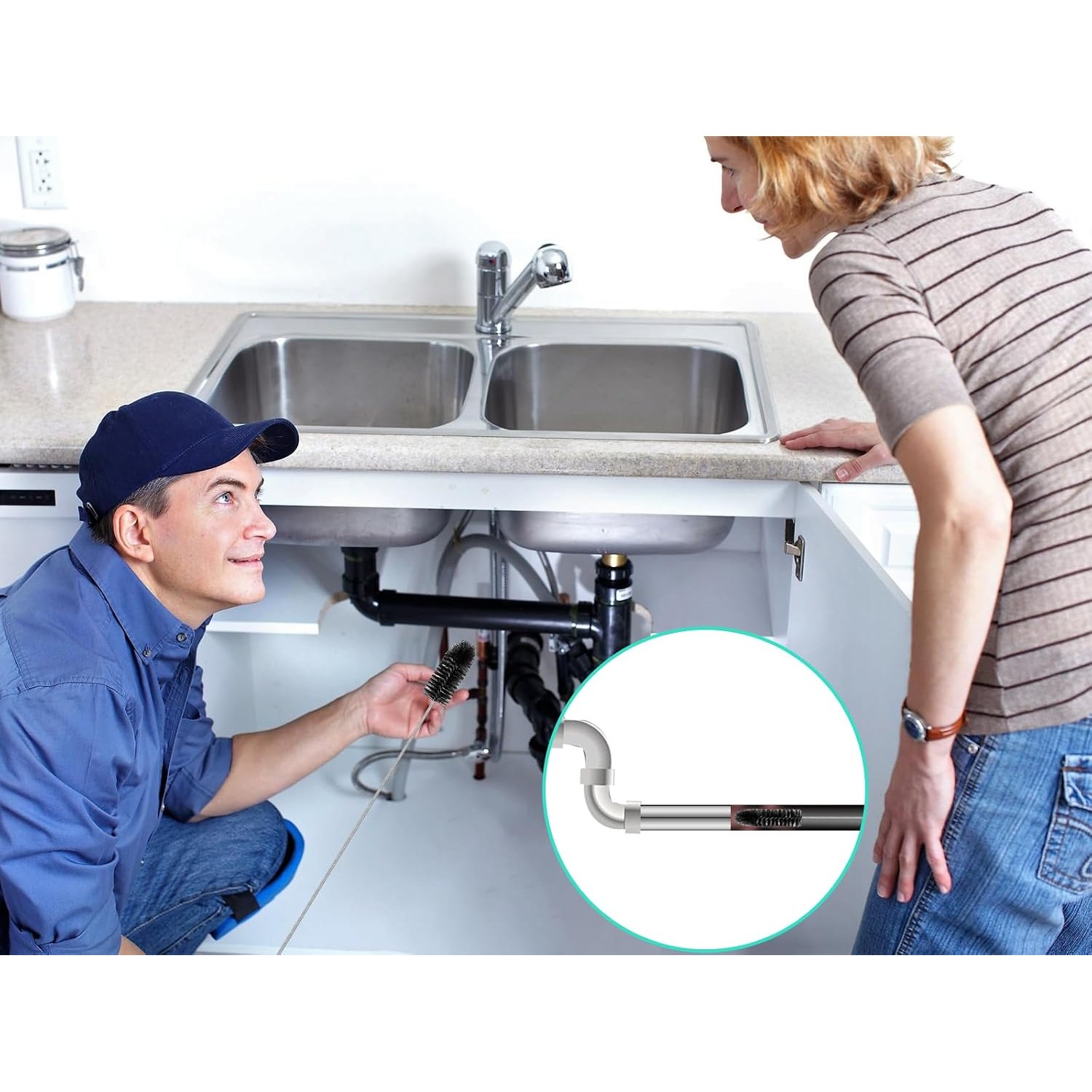
Here is the awkward part. That lump is rarely sitting right under the plughole where you can hook it out with a bent coat hanger. It is usually a foot or more down, often past the trap, which is the U-shaped bend designed to hold a little water and block sewer smell. Short tools stop at that bend. Chemicals sometimes soften the edges of the clog and leave the core in place. A long flexible brush is the thing that actually gets there.
How this brush works
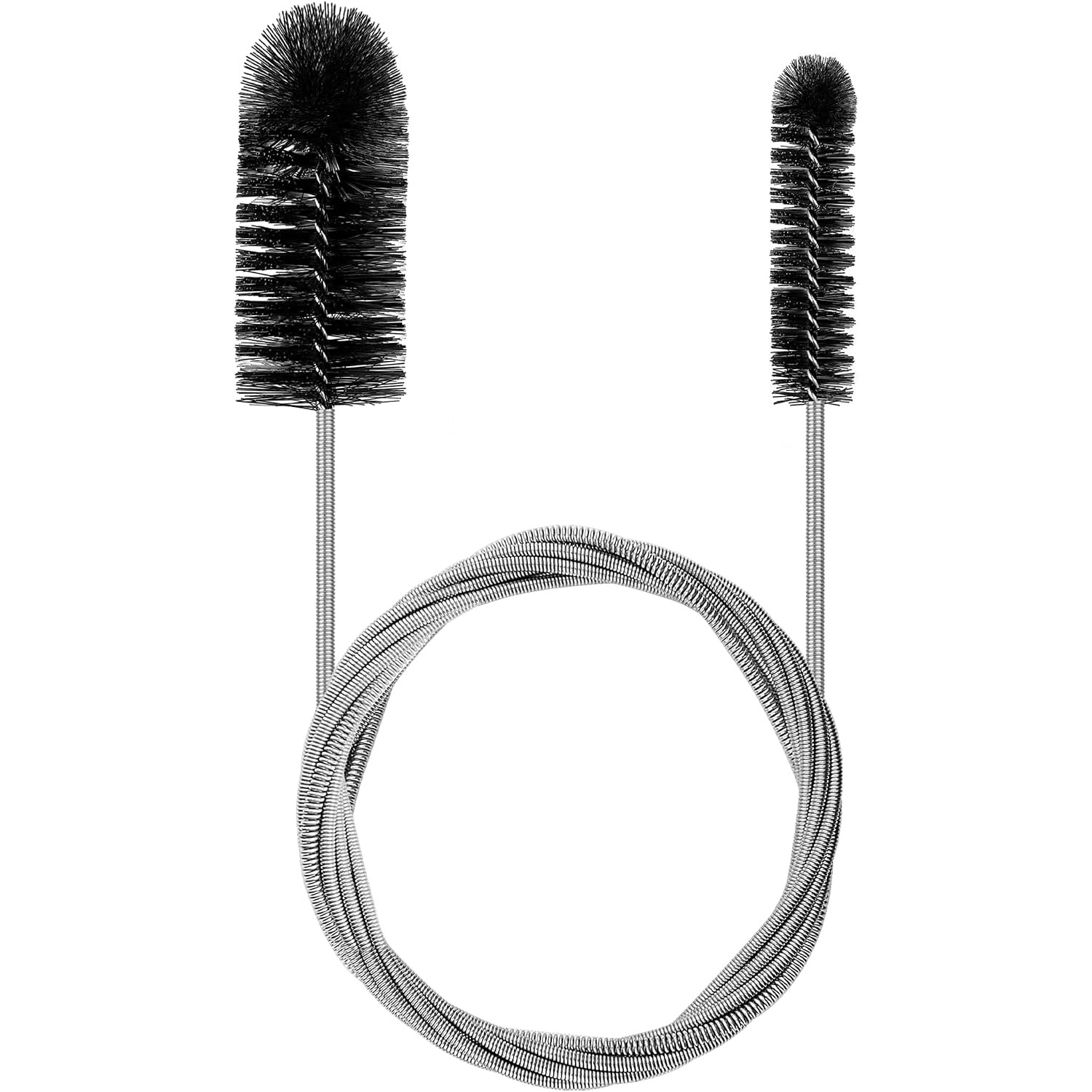
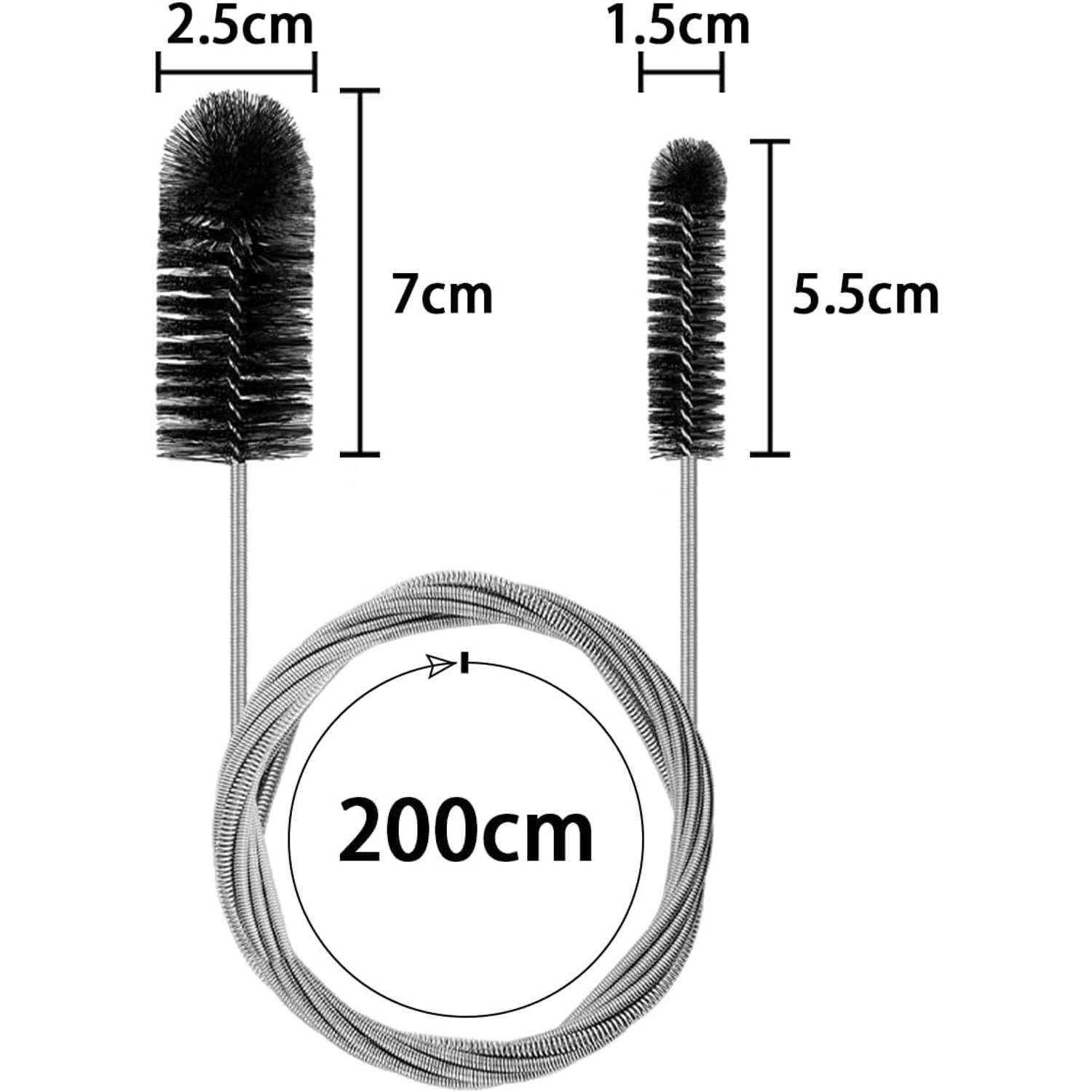
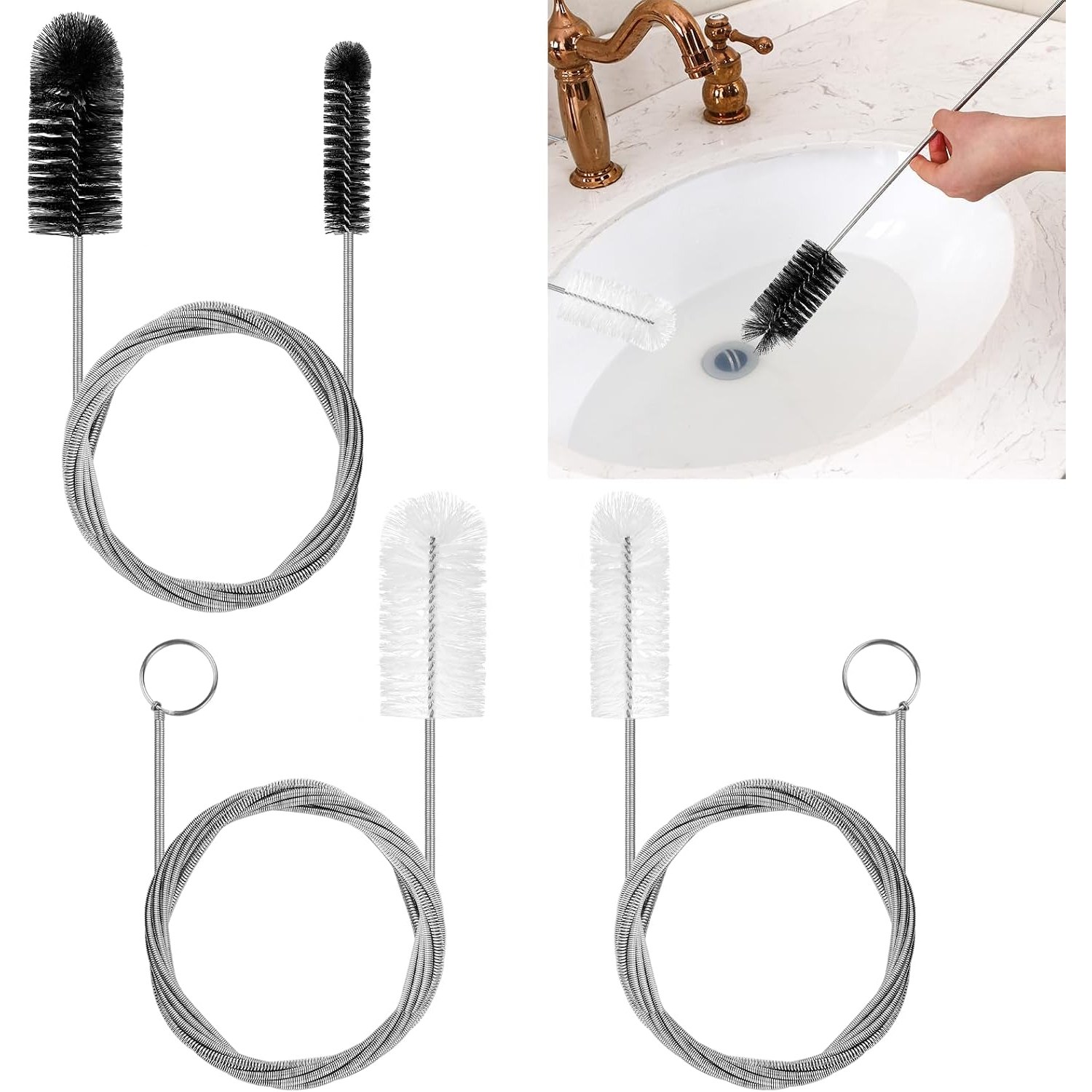
The design is simple on purpose. A long stainless steel wire runs the full two metres, and nylon bristles sit at each end.
The steel is 304 grade, which handles constant wet without rusting out. More importantly, it is springy. When the brush hits the curve of a trap, it bends and follows the pipe rather than stopping dead against the wall. You can feel it go round. That flex is the whole difference between a tool that reaches the clog and a tool that gets stuck 20cm in.
The bristles do two jobs at once. Pushed against the pipe wall, they scrub off the soap film and grease that the clog is clinging to. Twisted in place, they wrap hair around themselves like a fork in spaghetti. When you pull back slowly, the hair comes with the brush instead of being pushed further along the pipe. That last point matters. Poking a blockage deeper is a real risk with rigid tools, and it turns a ten-minute job into a plumber's visit.
Having bristles at both ends is a small thing that saves annoyance. When the first head is packed with hair, flip the brush and carry on rather than stopping to clean it mid-job.
Who this suits
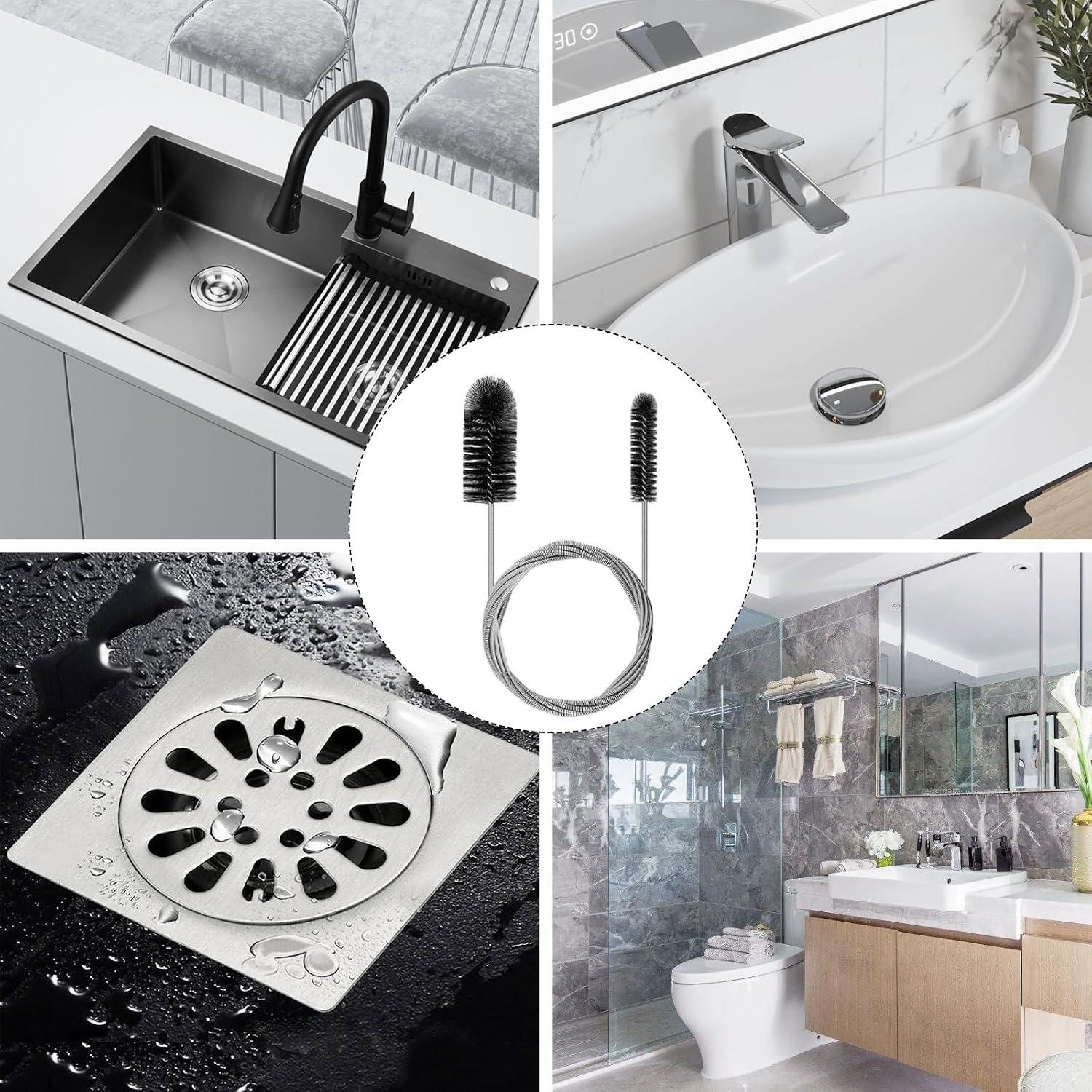
If you have long hair in the house, or more than one person sharing a bathroom, this is a tool you will use regularly. Shower drains in share houses and family homes clog faster than anything else in the building.
Renters get good value from it too. You can keep a slow drain moving without calling anyone, and the tool packs down small enough to take with you.
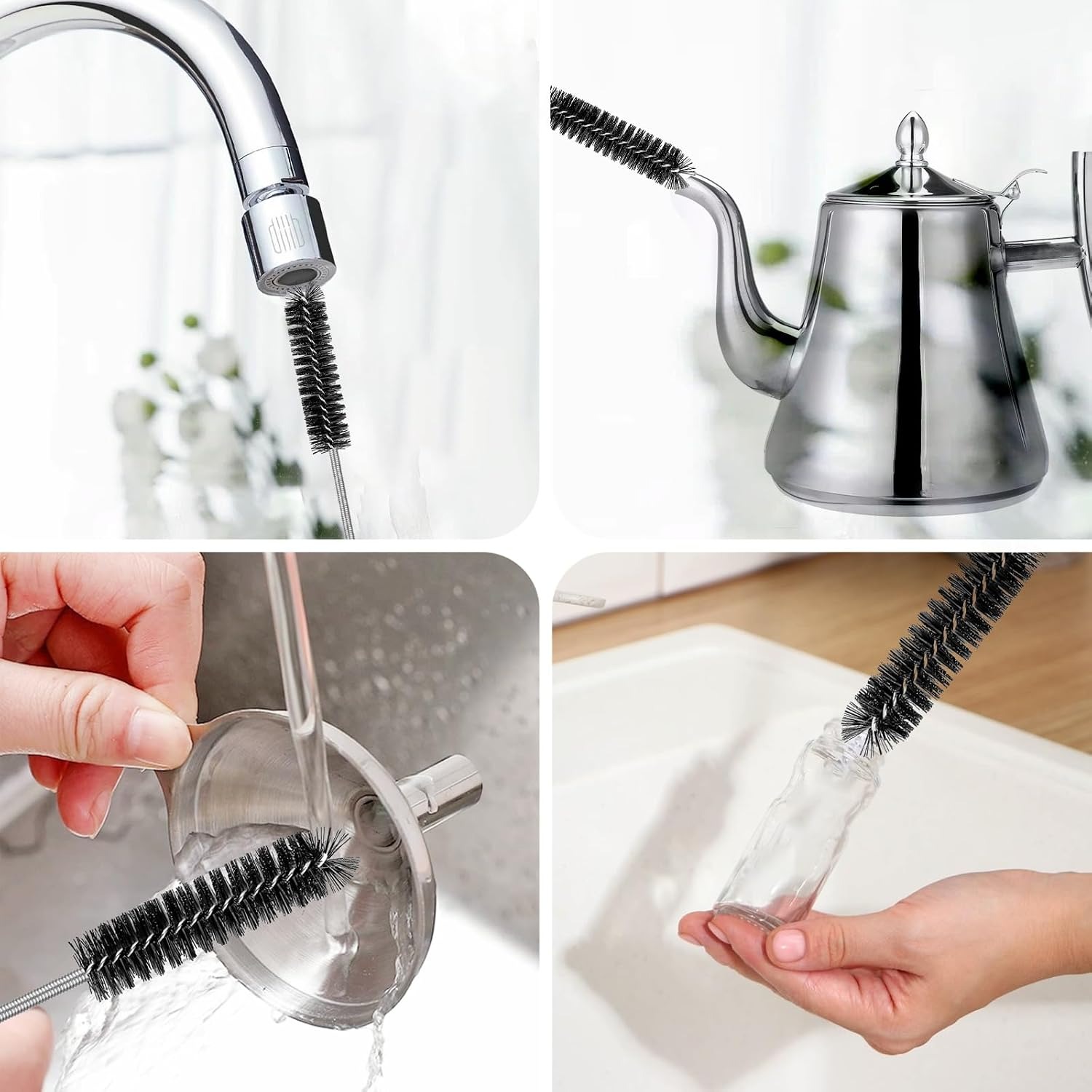
It also goes well beyond bathrooms. The same shape works on the little drain hole at the back of a fridge compartment, which clogs with crumbs and ice and then leaks water into the salad drawer. Aquarium keepers use it on filter tubing. It fits a washing machine drain hose, the internal lines on a coffee machine, and the narrow sunroof drains in a car that flood the footwell when they block. Anywhere you have a tube that is too long and too thin for a cloth, this is roughly the right answer.
Caravan and boat owners tend to like having one on board, since plumbing access is tight and help is far away.
How to choose a drain brush
Length is the first thing to check. Anything under about 60cm is a plughole poker, useful for the top of the drain and little else. Two metres clears the trap and gets well into the waste line beyond. More length is almost never a disadvantage, since you simply do not feed all of it in.
Flex comes next. A stiff rod cannot turn a trap. A completely floppy one has no push behind it and just folds up. You want spring, which is what a stainless wire shaft gives you. That balance is the main thing separating a decent tool from a frustrating one.
Then look at bristle material and density. Nylon is the standard because it holds up to hot water and detergent, keeps its shape after soaking, and is stiff enough to scrub without being so stiff it snaps. Thin, sparse bristles slide past hair instead of catching it.
Finally, think about whether the tool is reusable. Disposable hair hooks and strip tools are cheap and they work once. A rinse-and-reuse brush costs a little more up front and then sits in the cupboard for years. For routine upkeep rather than emergencies, reusable wins easily.
Using it properly
Start by taking out whatever covers the drain. Most shower grates lift out or unscrew with a flat blade. Kitchen sinks usually have a removable strainer basket. A clear opening makes the whole job faster.
Feed one bristle end in slowly. Do not shove. When you meet resistance, back off a centimetre, twist the shaft a few turns, and try again. The twisting is doing more work than the pushing.
Once you are past the trap, rotate the brush in place for several turns. You will feel it load up. Draw it out slowly and steadily. Fast yanking tends to strip the hair off the bristles and leave it in the pipe.
Wipe the head into the bin, flip to the clean end, and go again. Two or three passes usually does it. Finish by running the hot tap for a minute or two so the loosened film washes away rather than settling back down.
If water still will not move after all that, you are probably dealing with something solid or a fault further along the line. That is the point to reach for a plunger or call someone.
Looking after it
Rinse under hot running water straight after use. A drop of dish soap on the bristles cuts the grease. Comb out any stubborn hair with an old comb or gloved fingers rather than letting it dry in place.
Shake off the water and let the brush dry properly before storing. Coil it loosely and hang it, or lay it flat on a shelf. The one thing to avoid is folding it hard in the same spot repeatedly, since that is how any wire eventually fatigues.
Keep a separate brush for food and drink equipment if you plan to clean coffee machine tubing or aquarium gear. Cross-using one between a bathroom drain and a fish tank is not a good idea.
The short version
Slow drains are almost always hair, soap and grease sitting past the trap, out of reach of short tools. A 200cm brush on a springy stainless shaft gets there, scrubs the pipe wall, wraps the hair up and brings it out.
It works without chemicals, rinses clean, and stores in a cupboard until next time. Use it every month or two and you mostly stop having blockages rather than fixing them. That is the real benefit, and it costs about ten minutes.