

The complete guide
How to Choose the Right Rubber Sink Plug (and Make It Last)
The small part that ruins your day
Nobody plans to buy a sink plug. You go to fill the basin, you push the plug in, and the water quietly drops away while you are brushing your teeth. Or you run a bath, come back ten minutes later, and find a lukewarm puddle instead of a full tub. It is a tiny failure that wastes water, wastes time, and is oddly annoying.
Most of the time the drain is fine. The plug is the problem. Rubber hardens with age. The edge flattens where it has been pressed in thousands of times. Tiny cracks open up along the rim. Once that happens, there is no fixing it, and no amount of pushing harder will make it seal again.
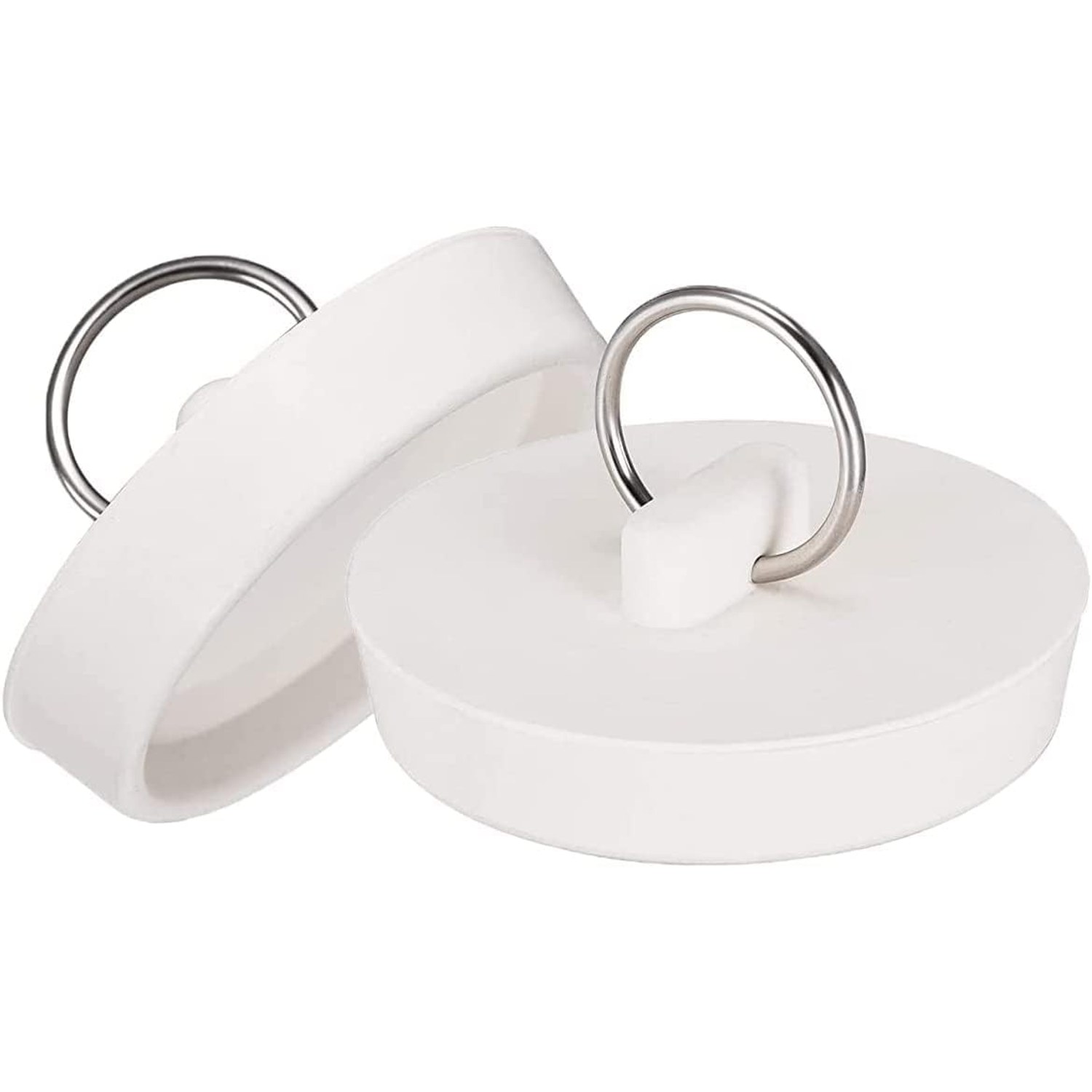
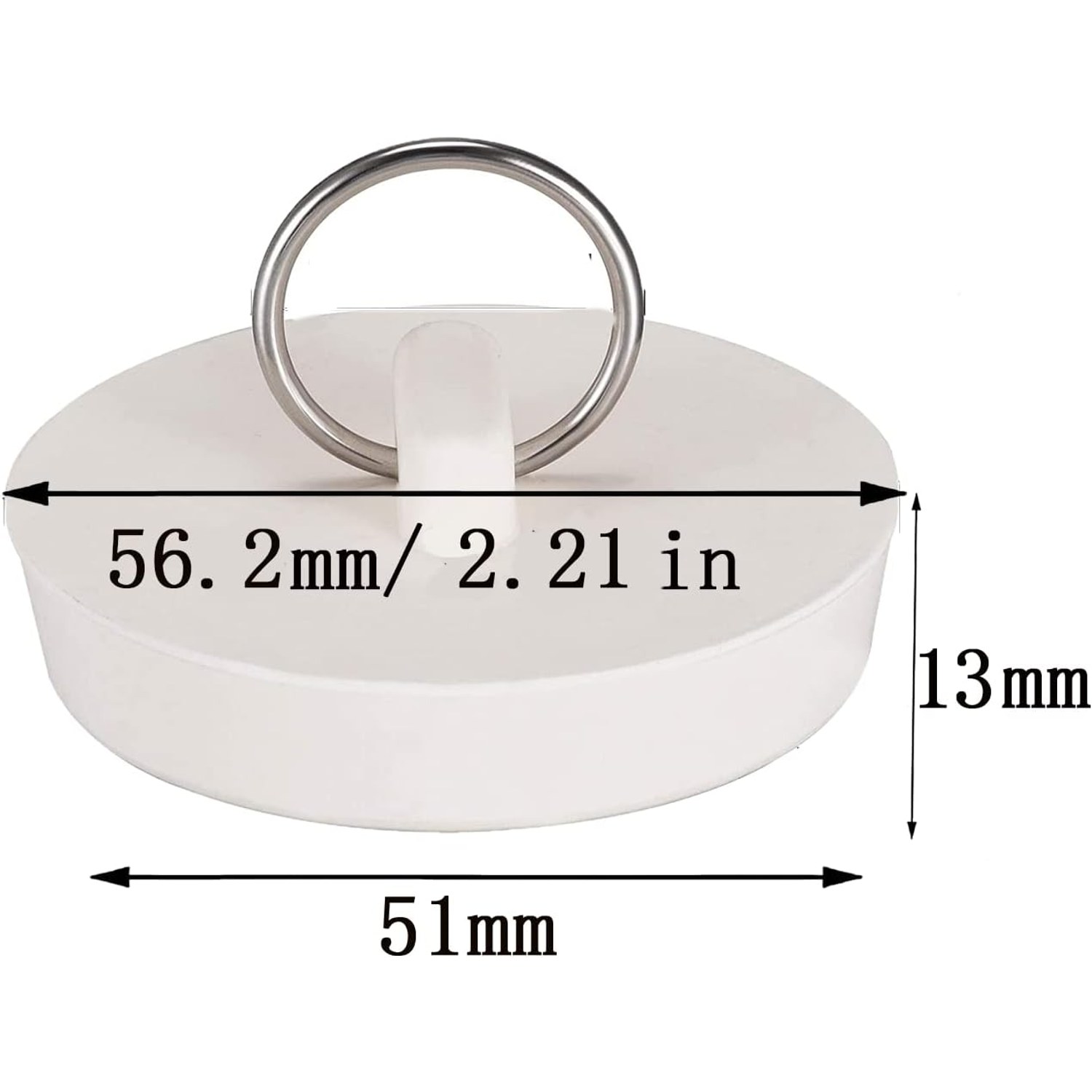
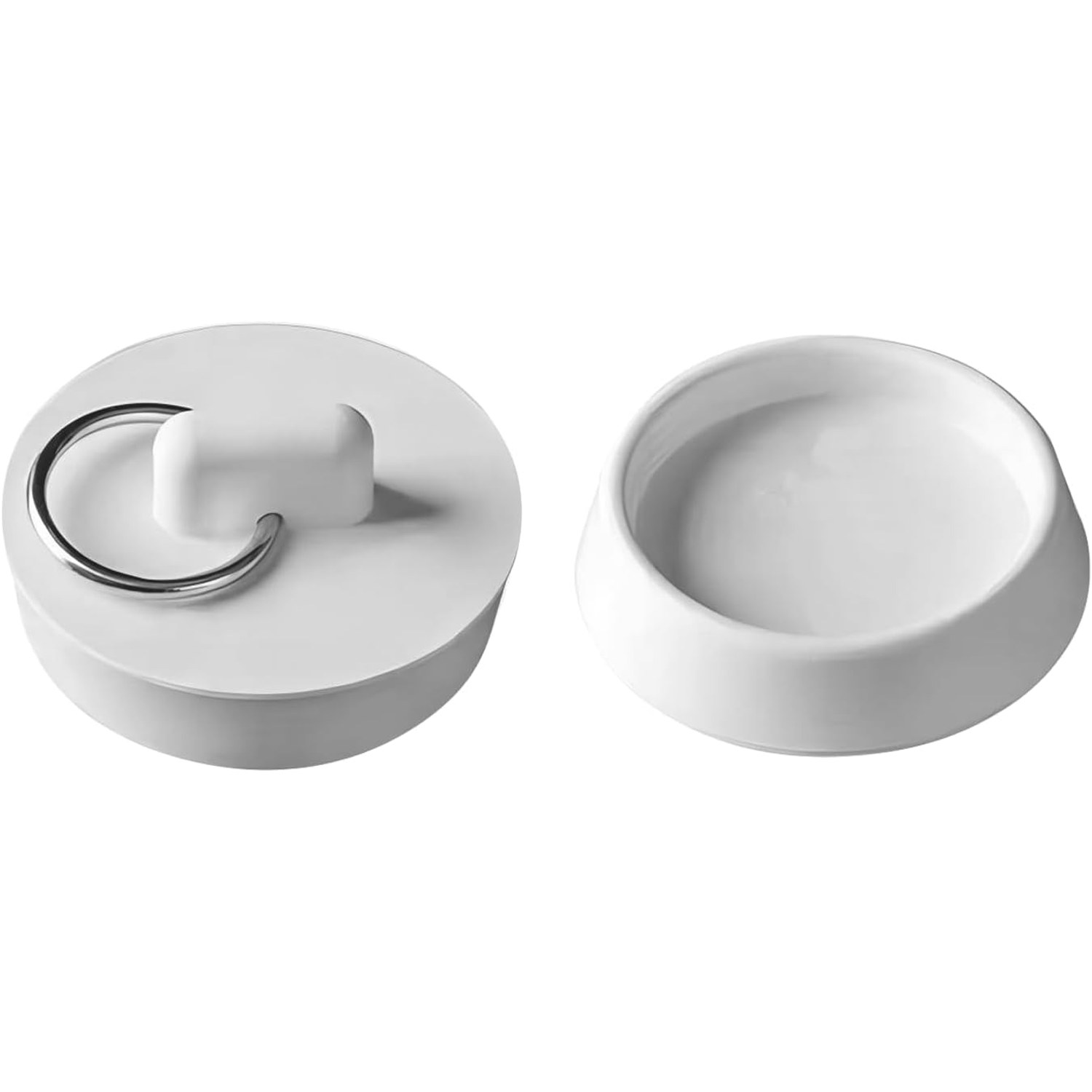
That is where a replacement like this one comes in. Two white rubber plugs, each made for a drain hole between 53 and 55mm, each with a hanging ring on top. It is not complicated, which is exactly the point.
How a rubber plug actually seals
A plug does not seal because it matches the hole exactly. It seals because rubber squashes.
When you push a rubber plug into a drain, the body compresses slightly and pushes outward against the inside wall of the drain opening. That outward pressure is the seal. Water in the basin then adds its own pressure from above, which pushes the plug down and makes the grip firmer. It is a nice little system that works without any moving parts.
This is why flexible rubber beats hard plastic for a basic plug. Hard materials need a near perfect size match. Rubber tolerates a drain that is a touch out of round, slightly worn, or not quite the nominal size. A range of 53 to 55mm sounds narrow, but in practice it covers a lot of real world basins and sinks.
It also explains why a dirty drain leaks. Soap film, hair and grit on the rim stop the rubber making even contact. If a new plug does not hold on the first try, wipe around the inside of the drain with a cloth and try again. That solves it more often than people expect.
Why the hanging ring matters more than it looks
The ring on top is the detail most people only appreciate after they have used it.
Pulling a plain plug out of a full basin is a small ordeal. The rubber is wet, the edge is flush with the drain, and your fingers slide off. You end up reaching into cooling dishwater and scrabbling at it. With a ring, you hook a finger through, pull straight up, and it is done.
The second use is drying. Hang the plug by the ring on a hook, a tap, or a shower caddy, and air moves around it. A plug left sitting in a wet drain stays damp underneath, which is where the film and the smell start. Hanging it up takes two seconds and keeps it clean for far longer.
If you prefer a tethered plug so it cannot wander off, the ring gives you a point to attach a short chain or cord. That is a popular move in laundries and shared bathrooms where plugs have a habit of vanishing.
Measuring your drain properly
This is the one step that decides whether you are happy with your purchase, so it is worth doing carefully.
Take the old plug out first. Then measure across the inside of the drain opening at its widest point, from the inner edge on one side to the inner edge on the other. Use a tape measure or a ruler with millimetre markings. Write the number down.
Do not measure the old plug. Worn rubber shrinks, flattens and distorts, so an old plug almost always measures smaller than the hole it came from. If you size your replacement from a tired plug, you will end up with one that is too small and drops through.
If your measurement lands between 53 and 55mm, this pack fits. If it comes in noticeably under or over, you need a different size. A plug that is too big will perch on the rim and never seat. One that is too small will either fall through or leak around the edge no matter how hard you press.
Also check what kind of waste you have. If there is a built in mechanism in the drain, like a pop-up or a basket strainer with a fixed insert, a loose rubber plug is not the right answer. These plugs are for plain open drain holes.
Where people use them
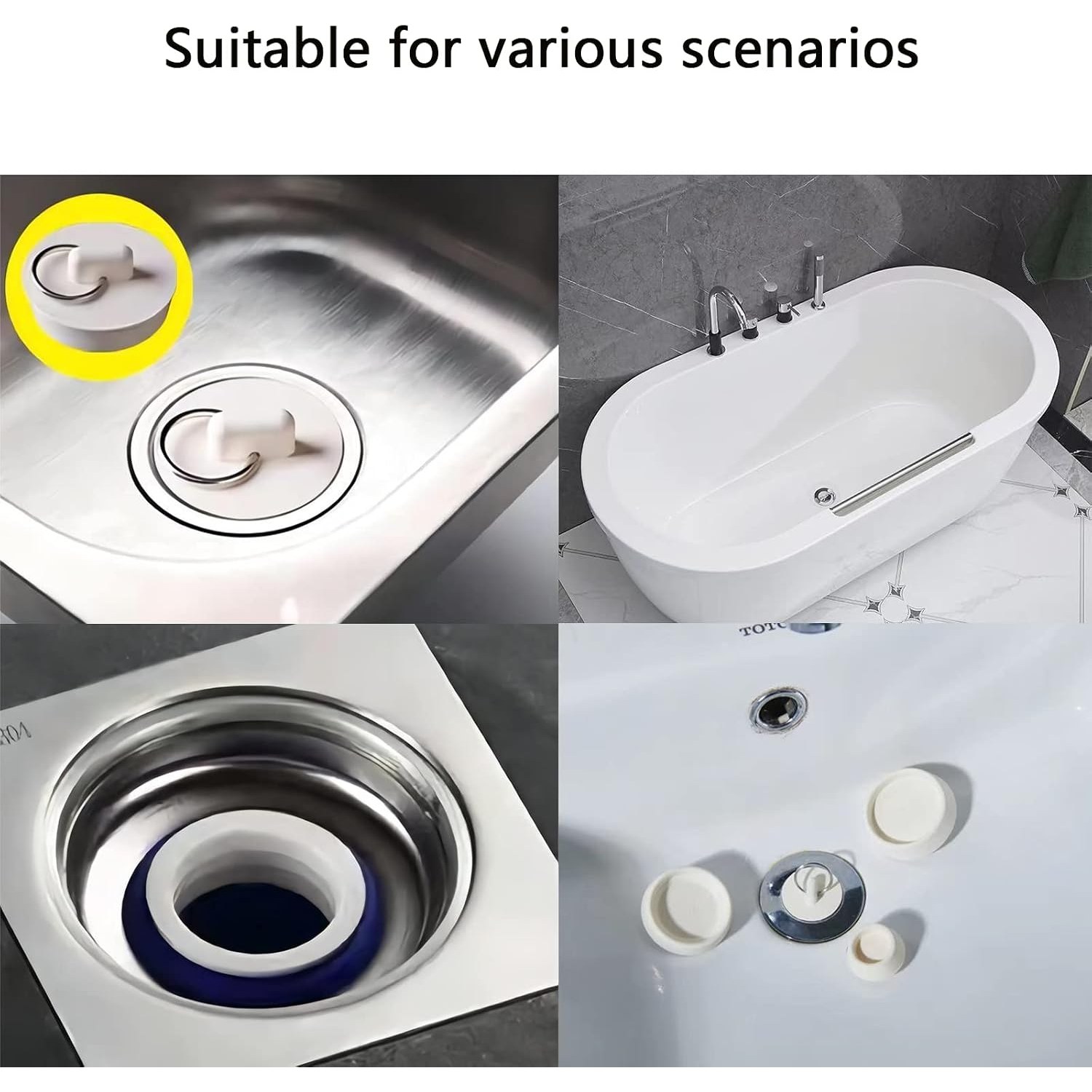
Bathroom basins are the obvious one. The 53 to 55mm range is very common in hand basins, and a worn plug there is usually the reason you cannot fill the sink for shaving or hand washing delicates.
Laundry tubs are the next most common. Plugs disappear from laundries constantly, which is why having two is genuinely useful rather than just a nicer deal. Anyone hunting for the best laundry tub plug knows the pain of finding the tub plugless on wash day.
Kitchen sinks depend on the waste fitting. Plenty of kitchen sinks use a wider basket waste, so measure before assuming. Where the hole does match, a rubber stopper works fine for soaking pans or washing up by hand.
Baths vary a lot. Some use a drain opening in this size range, many use something larger. Again, the tape measure settles it.
Outside the house, people use plugs like these in utility sinks, workshop basins, caravan sinks and various containers and tanks where an opening needs to be stopped. The plug does not care what it is in, only whether the diameter is right.
Getting a long life out of it
Rubber is tough, but it has a few enemies. Heat, harsh chemicals and constant damp are the main three.
Rinse the plug under warm water after each use and wipe it dry. That removes soap, toothpaste, grease and whatever else was in the water. When something stronger is needed, warm soapy water and a soft cloth will handle it. Push the cloth into the underside too, since that is where film quietly collects.
Skip the bleach soaks. Leaving rubber sitting in strong bleach dries it out and makes it brittle much faster than normal use ever would. The same goes for solvents and scouring pads, which score the surface and give grime somewhere to hold on.
Keep it out of the dishwasher. Repeated hot cycles with strong detergent age rubber quickly. Hand washing is faster anyway.
And hang it up. That single habit does more for the life of a plug than anything else on this list. A plug that dries between uses stays soft and seals well for years.
Why a two pack is the sensible buy
Buying one plug and hoping is a false economy. Plugs are small, they get knocked off the edge of the sink, and they end up behind the washing machine or in a toddler's toy box.
With two, you can cover two rooms at once, or keep the second in the cupboard for the day the first goes missing. Landlords and anyone managing a holiday rental tend to appreciate having a spare on the shelf instead of making a trip out for a part that costs very little. If you are after the best spare sink plugs to have on hand, the logic is simply that one is never enough.
The short version
Measure the inside of your drain opening. If it is between 53 and 55mm, this pack of two rubber plugs will fit.
The rubber flexes to seal, the ring makes pulling the plug out easy, and the same ring lets you hang it to dry. Keep the drain rim clean, rinse the plug after use, avoid bleach and heat, and you will not be thinking about sink plugs again for a long while.