
The complete guide
How To Choose A Silicone Bath Plug That Actually Seals
The problem with a missing bath plug
Almost every house has one drain that no longer has a plug. The original chain snapped, the rubber perished, or the place came that way and nobody ever got around to it. So the bath becomes a shower, the kitchen sink never gets filled for soaking, and the laundry trough is purely decorative.
The obvious fix is to buy a replacement that matches. That turns out to be harder than it sounds. Fitted plugs are sized to the drain opening, and drain openings vary by brand, by age and by country. You measure the hole, order something close, and it either rattles around or will not go in. Two returns later, the bath is still a shower.
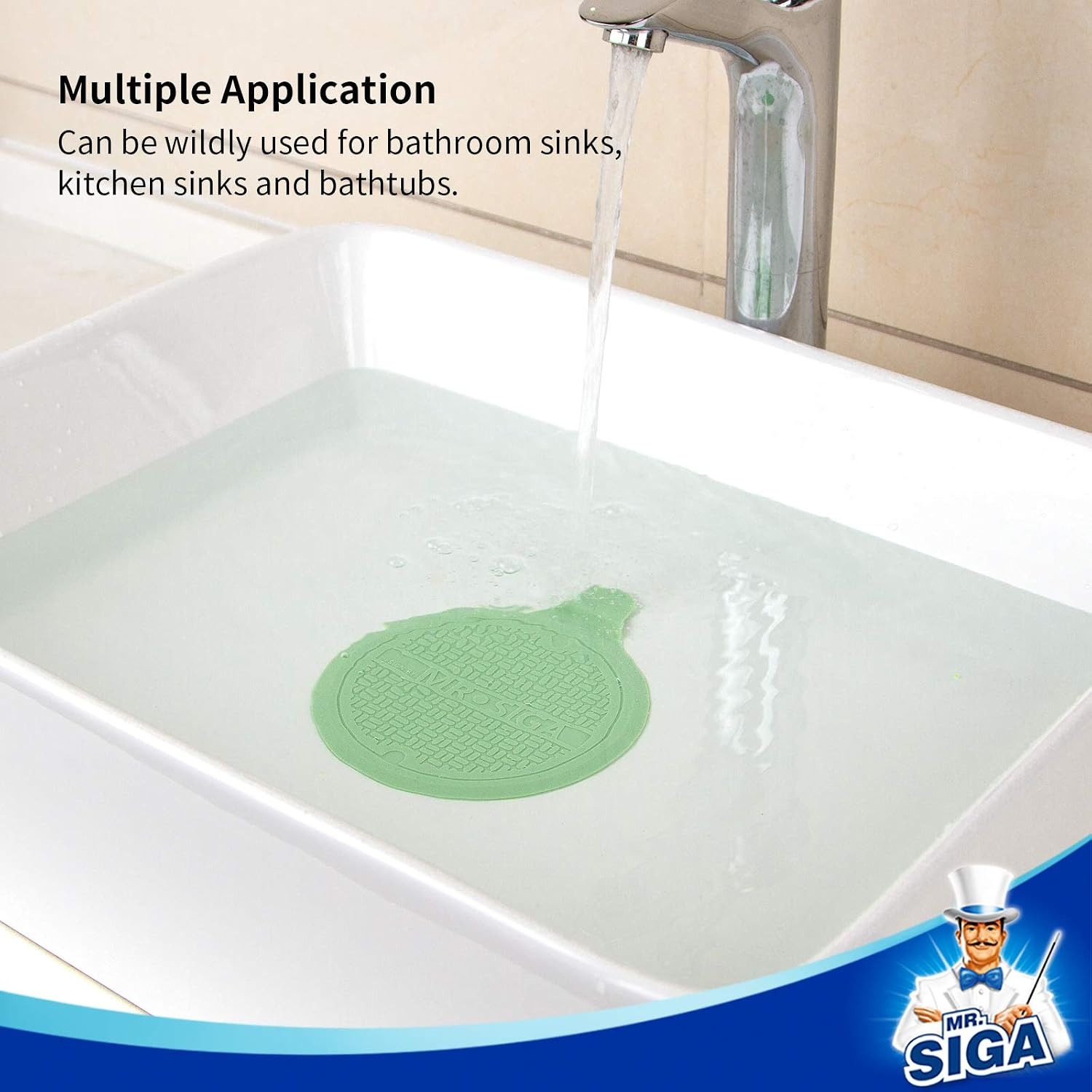
A flat silicone stopper sidesteps the whole measuring exercise. Instead of fitting into the hole, it covers it.
How a flat stopper works
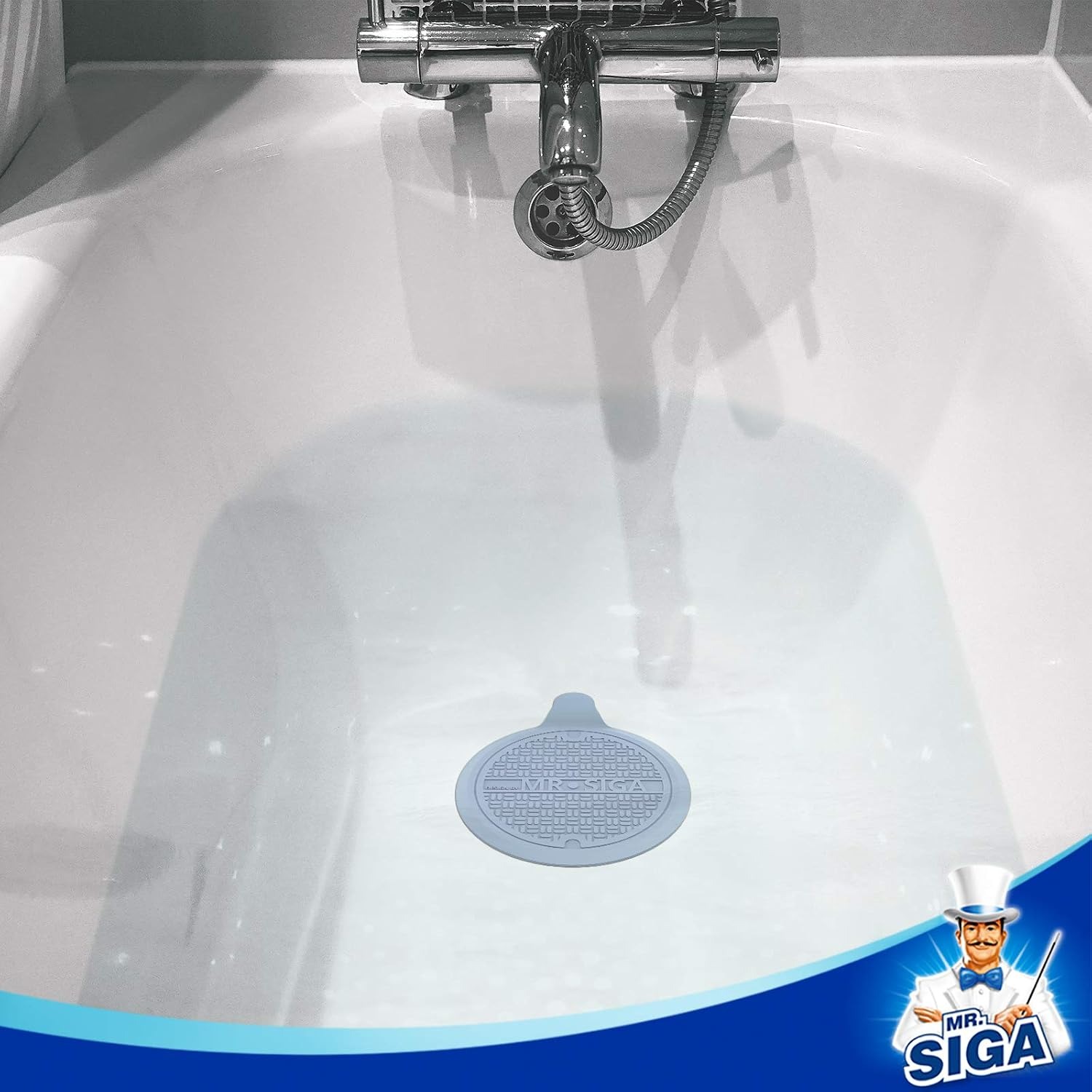
The idea is simple. A disc of soft silicone lies over the drain and seals against the flat surface around it. When you press the centre down, the silicone flexes and conforms to whatever small scratches and ridges are in that surround. That contact is the seal.
Then physics helps. As the tub or sink fills, the weight of the water pushes down on the top of the disc and presses the sealing face harder against the surround. The more water, the better the seal holds. That is the opposite of a worn fitted plug, which tends to leak more as pressure builds.
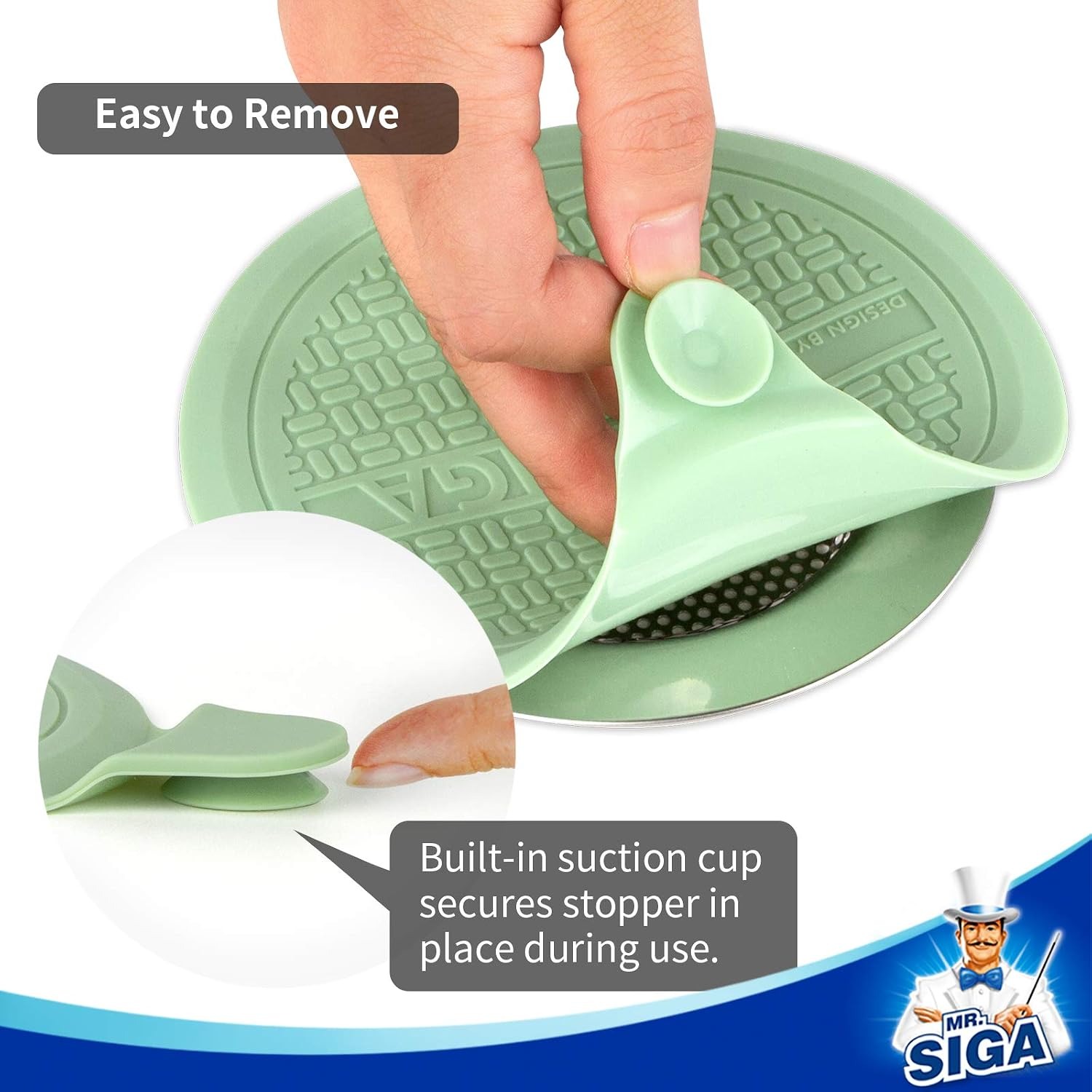
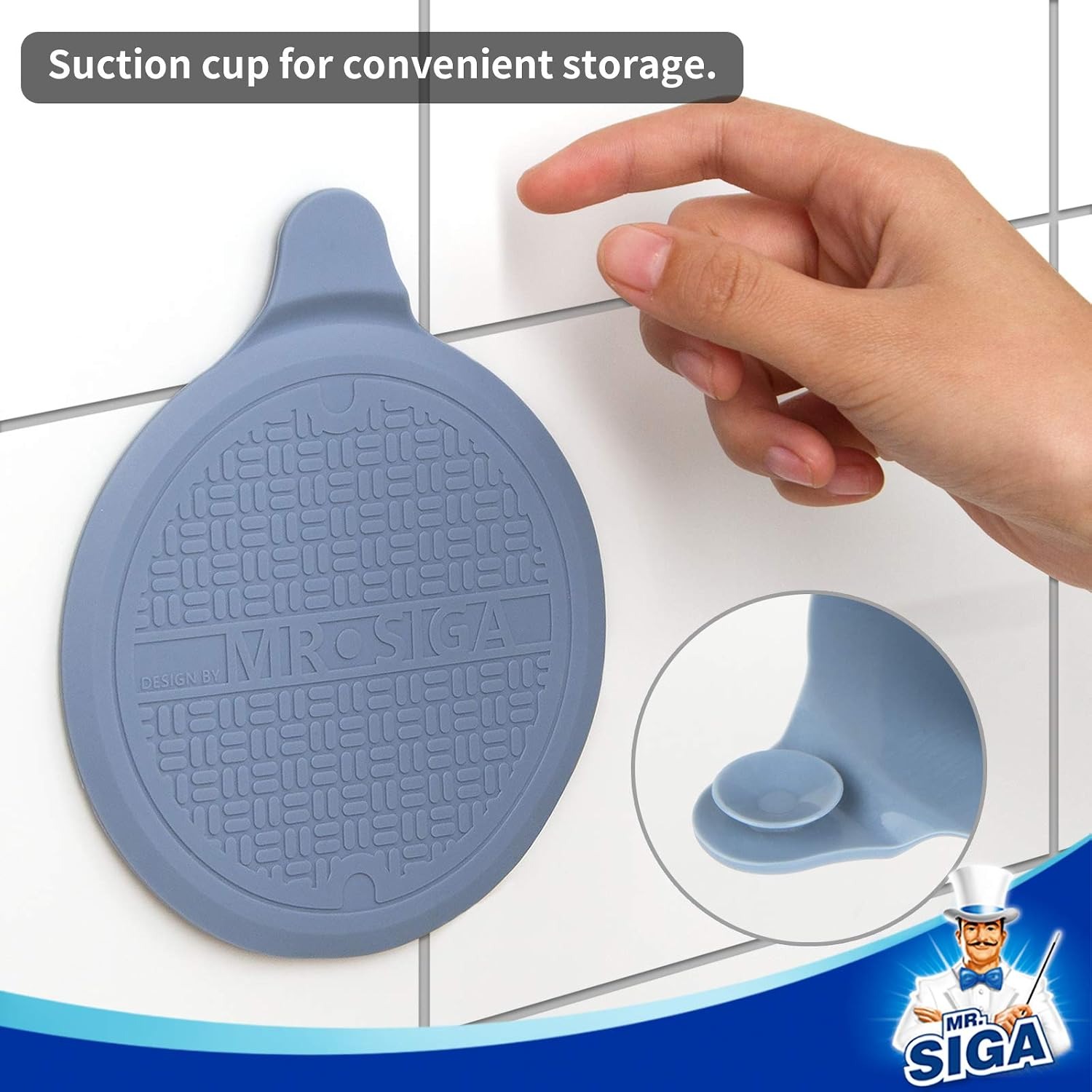
The suction cup in the middle does the rest. It stops the disc skating sideways when something bumps it, which matters in a bath where feet move around. It also gives you a handle. Breaking the seal on a flat stopper with wet fingertips is annoying; pulling up on a cup is not.
Where it fits and where it does not
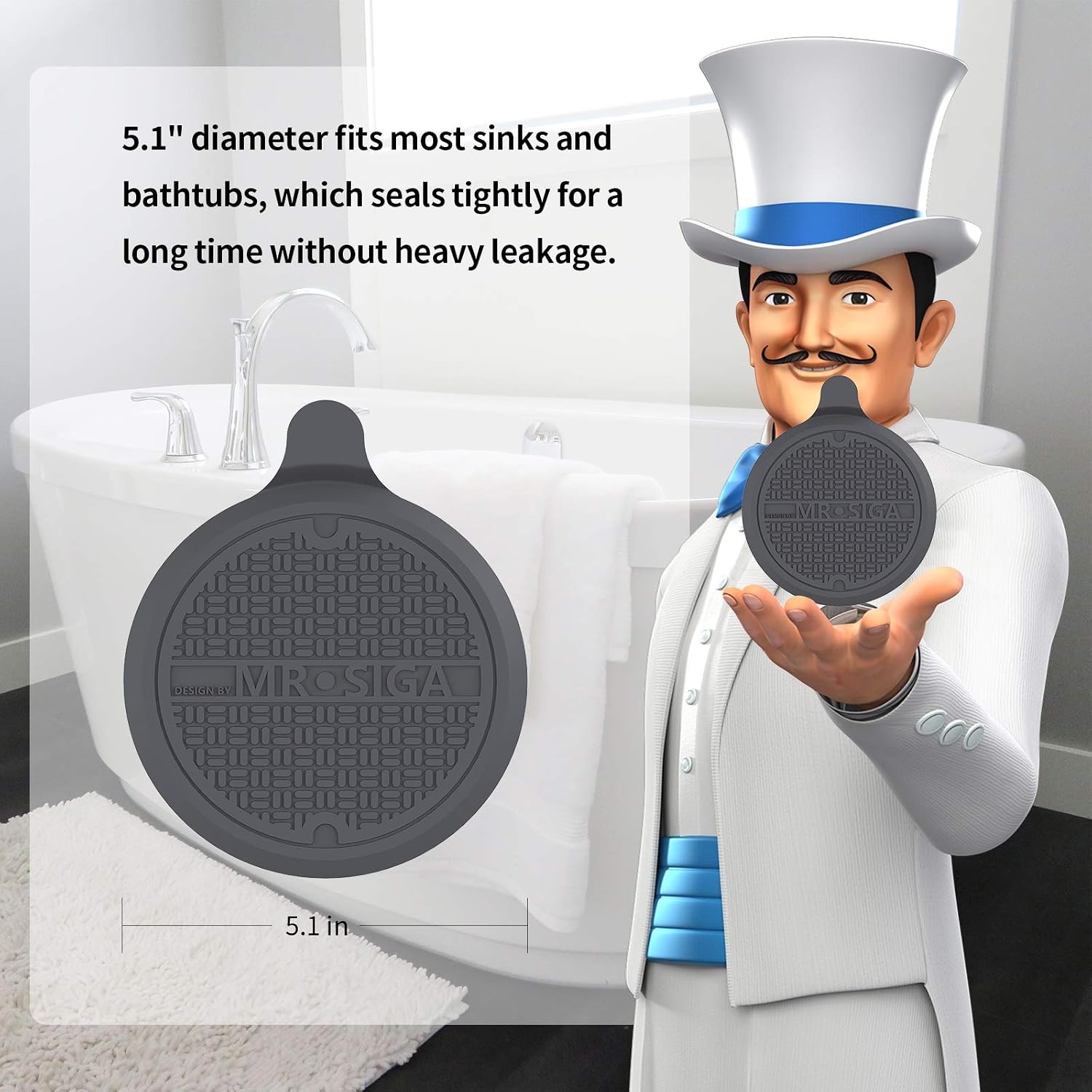
This stopper is at its best on plain, open drains with a smooth flat surround. That covers most bathtubs, a lot of kitchen sinks, laundry troughs and basic bathroom basins. If you look at the drain and see a flat ring of tub or steel around the hole, you are in good shape.
There are a few situations that give any flat stopper trouble, and it is worth being honest about them.
Pop-up wastes are the main one. If the basin has a lifting plug mechanism that sits proud of the surface even when open, the silicone cannot lie flat and the seal will not form. Some pop-ups can be unscrewed and removed, and then a flat stopper works fine, but that is a job rather than a quick fix.
Strongly domed or raised drain fittings are the second. A few older baths have a drain grate that bulges upward. Again, the silicone has nothing flat to press against.
Textured surfaces are the third. If the area around the drain is heavily patterned, non-slip coated or has deep scratches, you may get a slow drip. For a quick hand wash that is irrelevant. For a long soak it is not.
A quick test before you commit: wet the drain surround, lay the stopper down, press the middle, and run an inch of water. If it holds for a minute, it will hold a full tub.
Why three in a pack is the right number
A single plug lives in one room. Three change how you use the house. One in the main bathroom means baths are back on the menu. One at the kitchen sink means you can fill it for soaking a roasting tray instead of running the tap over it. The third usually ends up in the laundry, in a second bathroom, or in a drawer as a spare.
People searching for the best multi pack drain stopper are usually solving exactly this. They have more than one drain with a problem, and buying matching singles three times over is both slower and more expensive.
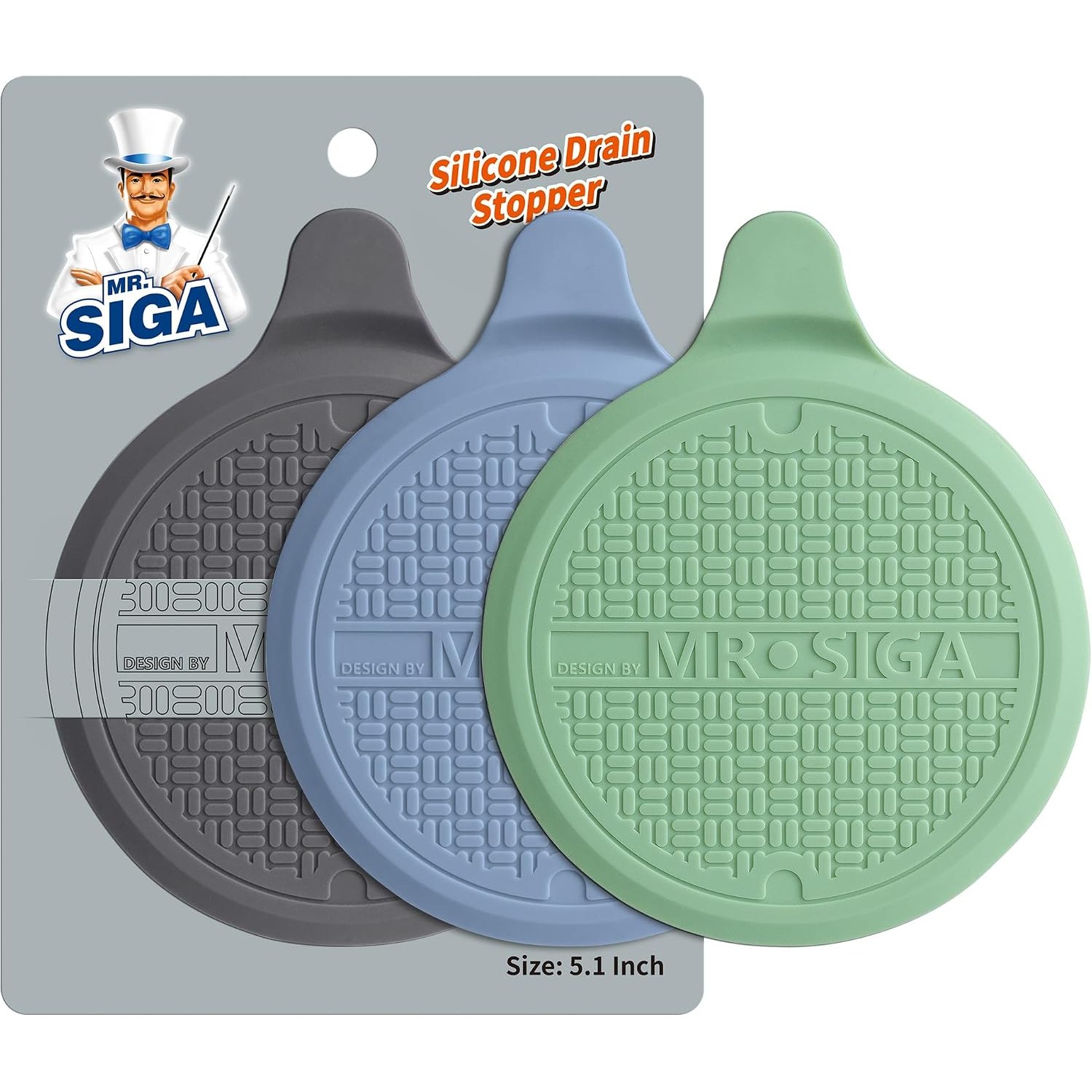
The colours in this pack are green, blue and grey. There is a mild practical benefit to that. Once you assign a colour to a room, nobody is wondering whether the one in the kitchen is the one that was in the bath.
Choosing between a flat stopper and a fitted plug
If you still have the original plug and it works, keep it. Nothing here beats a fitted plug that matches its drain.
Choose a flat silicone stopper when any of the following is true. The original is missing and you cannot identify the size. You rent and do not want to change anything permanently. You want one product that handles several different drains. You need something that packs flat for travel.
Choose a fitted plug when the drain has a pop-up or a complicated grate, or when you want the plug to sit flush and invisible for looks.
There is also the chain question. Flat stoppers have no chain. Some people miss that, others find chains are what breaks first. The suction cup replaces the chain's job of giving you something to pull.
Getting a good seal every time
Two surfaces, both clean, both wet. That is the whole technique.
Hair is the usual culprit when a stopper drips. A single strand lying across the drain surround creates a channel for water. Run a finger around the rim before you place the stopper and most leaks never happen.
Soap film is the quieter version of the same problem. Over time a slick builds up on the sealing face and it stops gripping as well. A wash in warm water with mild dish soap every couple of weeks puts it back to new. Let it dry properly before you store it, because a damp stopper pressed against tile can trap moisture.
Do not use bleach, scouring pads or anything sharp on the sealing face. Scratches in the silicone are permanent and they are exactly where water will find a way through.
Storage, which sounds trivial but is not
The suction cup means the stopper has somewhere to live. Press it onto a tile, the shower screen, the side of a stainless sink or the splashback, and it stays there, drains dry and is visible next time you want it.
This is the difference between a plug you use and a plug you own. Anything that ends up at the back of a cupboard behind the drain cleaner stops being part of daily life. Anything stuck on the wall at eye level gets used.
If you prefer it out of sight, the pack is light and flat enough to sit in a vanity drawer without taking up real room.
Caring for silicone over the long run
Silicone is forgiving. It does not perish the way old rubber does, it does not rust, and it handles normal hot tap water without complaint.
The things that shorten its life are abrasion and sharp edges. Keep it away from knives in the kitchen sink and away from scouring pads. Avoid pouring boiling water directly onto it and do not rest a hot pan on it.
If the sealing face picks up a stain from tea, turmeric or hair dye, that is cosmetic. It does not affect the seal. A soak in warm soapy water lifts most of it.
The short version
A flat silicone stopper solves the one problem fitted plugs cannot: a drain whose matching plug is gone. It covers the opening instead of filling it, seals against the surround, and gets tighter as the water gets deeper. The suction cup keeps it steady, gets it out again, and sticks it to the wall when you are done.
Three in a pack covers the bathroom, the kitchen and one more drain of your choosing. Check that your drain has a flat area around it, keep the sealing face clean, and it will do its job quietly for a long time.