
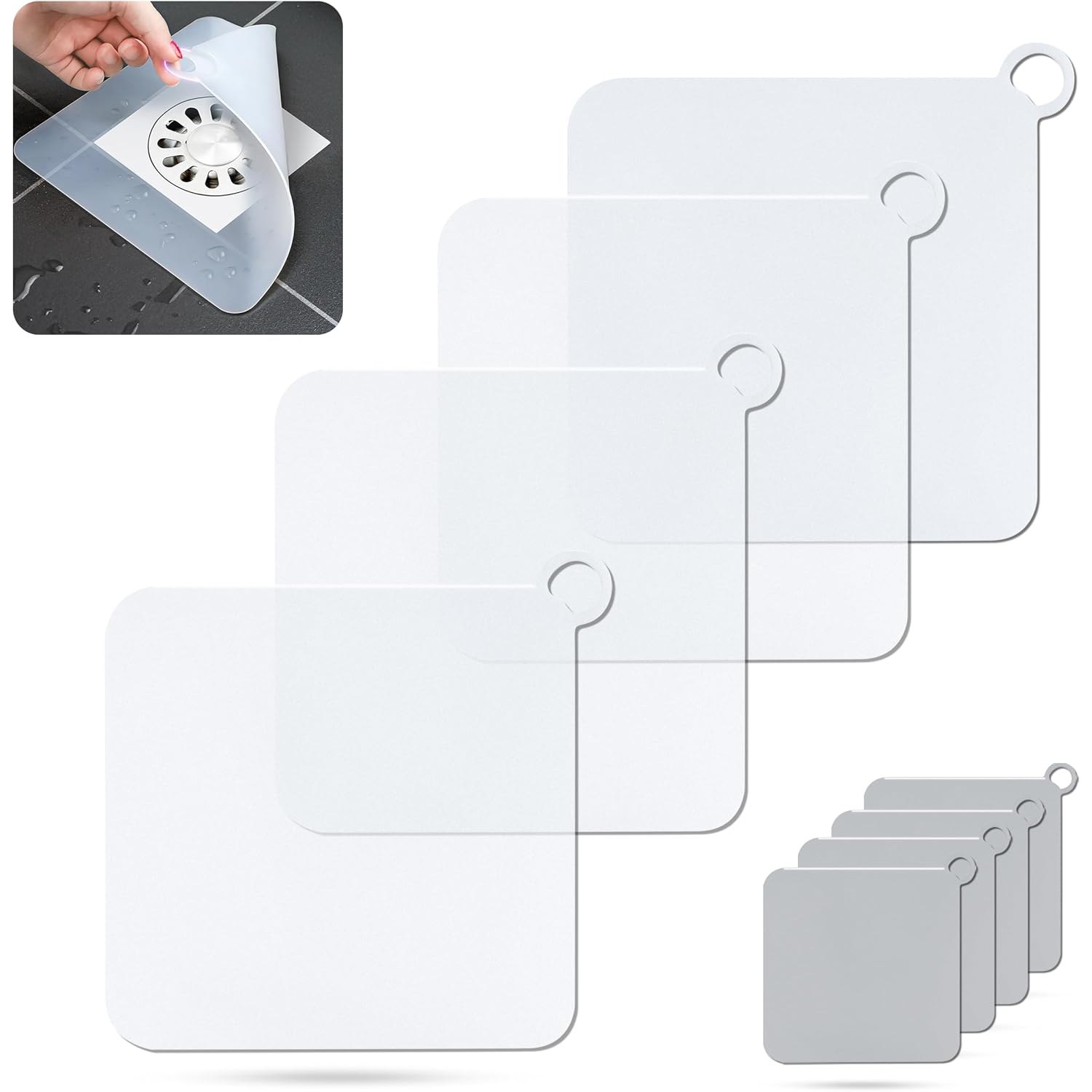

The complete guide
Floor Drain Covers A Practical Buyer's Guide
The smell nobody wants to talk about
There is a particular moment that sends people searching for a drain cover. You walk into the bathroom, or the laundry, or past the balcony door, and something smells faintly like a sewer. The floor is clean. The bin is empty. Nothing in the room explains it. Then you look down at the floor drain and realise the smell is coming from a hole in your tiles.
It is more common than you would think, and it is usually not a sign of a broken house. Floor drains normally have a water trap sitting in the pipe below. That little pool of water is the only thing standing between your room and the air in the drainage system. When a drain goes unused for a week or two, that water evaporates. The barrier disappears, and the air comes up.
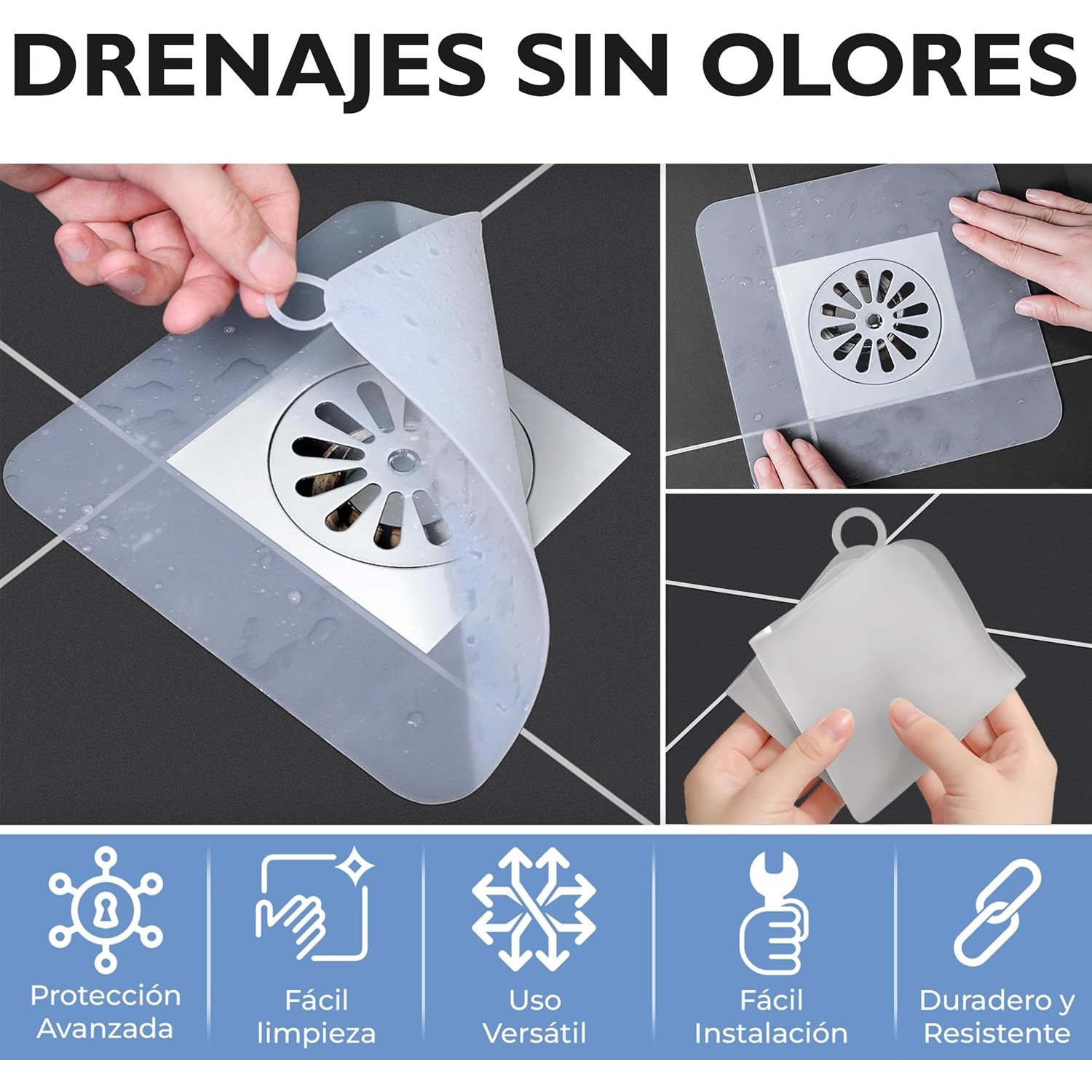
A silicone drain cover is the simple fix for that. It lays over the opening and gives the air one less easy route into the room. It is not plumbing work, it does not need a tradesperson, and you can have it in place in about five seconds.
How a silicone cover actually works
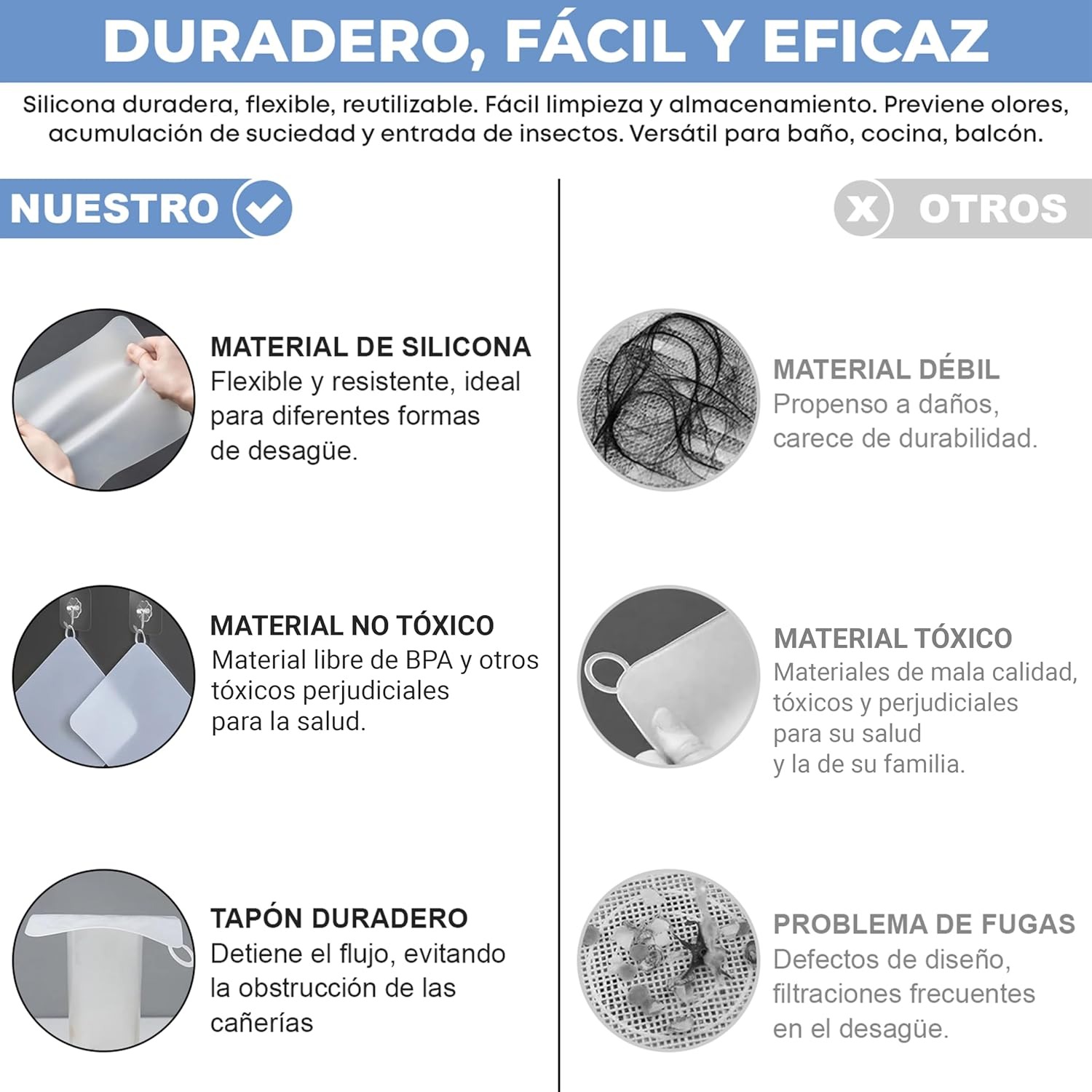
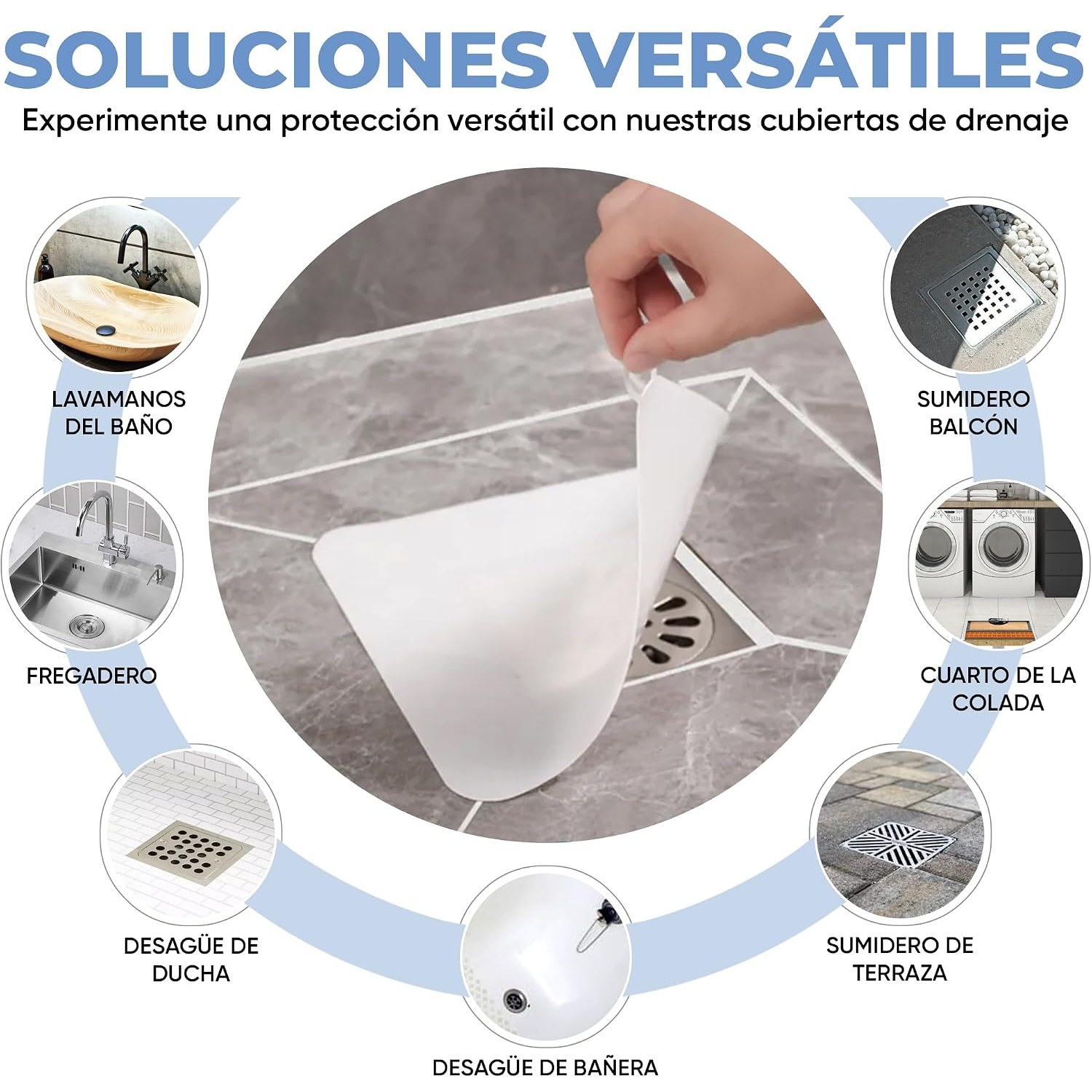
The idea is deliberately low tech. You take a flexible silicone mat, lay it over the drain, and press it against the surrounding floor. Silicone grips smooth tile reasonably well, and because it is soft it sits down into any dip around the drain rather than bridging over it like a rigid disc would.
That contact is doing two things at once. It blocks the odour path, and it blocks the physical path. Open floor drains are a known entry point for cockroaches and other crawling insects, especially in warm climates and in apartment buildings where pipes connect a lot of units. Covering the hole takes away the doorway. It is not a chemical treatment and it makes no claims to be one, it simply closes the gap.
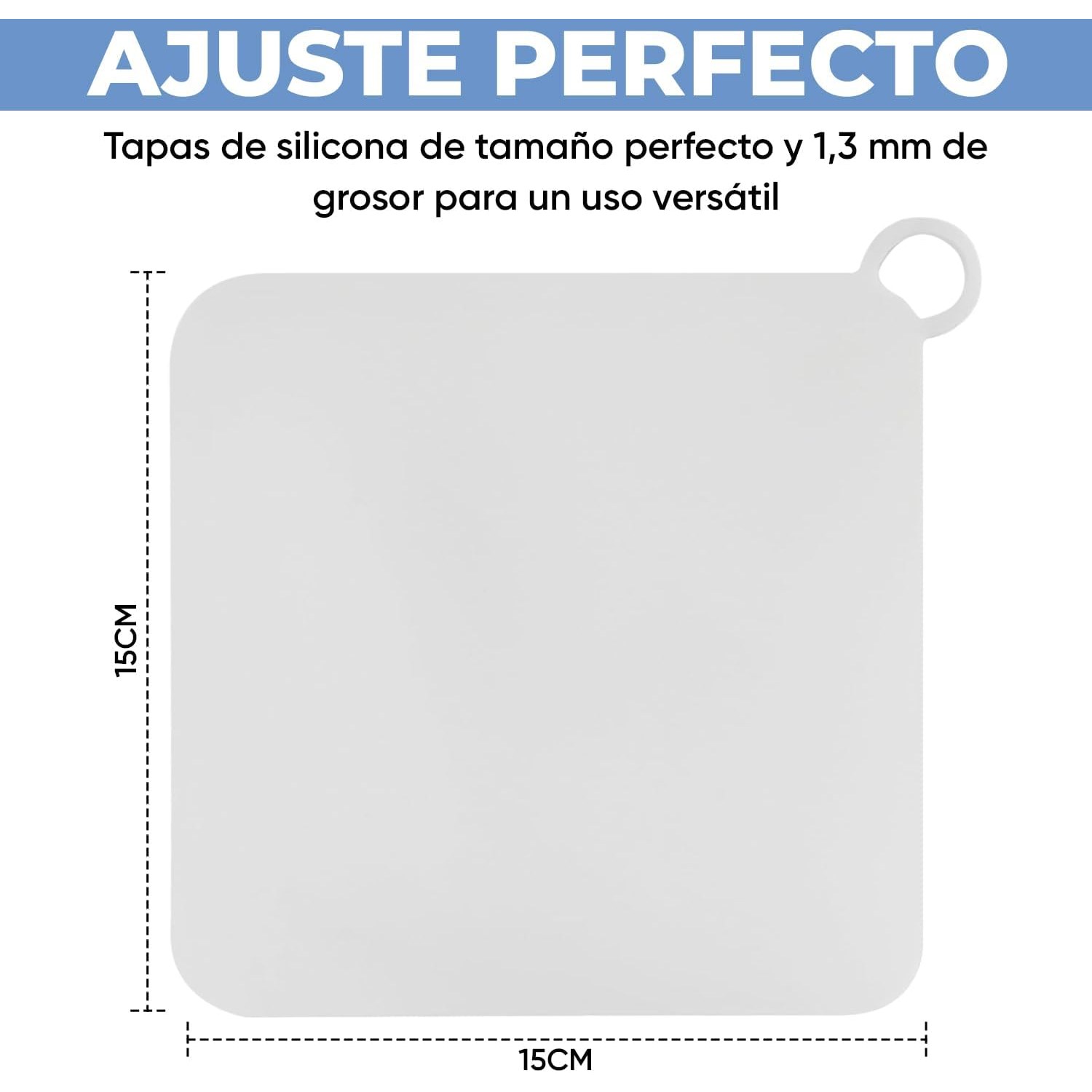
This set gives you four covers, each 15cm across, in a smooth white finish. That colour choice matters more than it sounds. A bright coloured plastic gadget on a bathroom floor announces itself. A flat white disc against white or pale grey tile mostly disappears. If you have been putting off dealing with a drain because you did not want an ugly accessory in the middle of the room, this is the version that does not bother you every time you walk in.
Who gets the most out of them
Renters do well with these. There is nothing to glue, nothing to screw into a floor, and nothing that would show up in an exit inspection. You take them with you when you move.
Apartment dwellers are the other obvious group. In a building with shared drainage stacks, odours and pests can travel between units no matter how carefully you keep your own place. You cannot control the whole building, but you can control your own openings.
Then there is anybody with a drain that sits dry most of the time. A laundry floor drain that only gets water when a machine overflows. A balcony drain that only works in heavy rain. A second bathroom that gets used twice a year when guests come. Those are the drains that smell, because those are the drains whose traps dry out. A best floor drain cover in those spots is doing useful work every single day without you thinking about it.
Choosing the right size
Measurement is the one step people skip, and it is the step that decides whether you are happy with the purchase.
Measure across the widest part of your drain grate, not the hole in the middle. You want the cover to be noticeably wider than the grate so silicone is resting on solid floor all the way around. With a 15cm cover, a drain grate of about 10cm to 12cm gives you comfortable overlap. If your grate is already 15cm or more, this size will not work for you and you should look for something larger.
Also look at what is around the drain. Some drains sit in a shallow recess. Some sit right against a wall or a shower screen track. Some are set at an angle in a sloping floor. In each of those cases the silicone can be trimmed with ordinary scissors to get a closer fit. Work slowly, take a few millimetres at a time, and keep testing. Silicone cuts easily, which is helpful going one way and unforgiving going the other.
Where to put four covers
Four is a sensible household number rather than a marketing number. A typical place has a shower drain, a laundry drain, and either a kitchen floor drain or a balcony drain. That is three in active service with one spare.
The spare earns its keep. When you pull a cover off for a proper wash, you drop the fresh one in its place rather than leaving a drain open for an afternoon. Rotating them also means each cover gets a rest and a dry out, which keeps them looking better for longer.
If you only have one or two floor drains, keep the extras somewhere obvious. They are useful when you are house sitting, helping at a parent's place, or dealing with a holiday rental that has been shut up for a month.
Living with them day to day
For a shower drain, most people lift the cover before they shower and put it back when the floor has drained. It takes a second each way and quickly becomes automatic. A cover laid over an opening is there to block the gap, so it is not meant to carry a running flow of water.
For a laundry or balcony drain, the cover can just stay put between uses, which is where the benefit really shows up. Those are the drains that cause trouble, and those are the drains the cover handles with no effort from you.
Pour a cup of water down each infrequently used drain every week or two anyway. That refills the trap and gives you a second line of defence underneath the cover. The two things together work better than either alone.
Keeping them clean
Cleaning takes under a minute. Lift the cover, rinse it under warm running water, and wash both sides with a little dish soap and a soft cloth or sponge. Rinse again and let it dry before you put it back. While it is off, run the same cloth around the drain surround, because soap scum collects there and contributes to the smell you are trying to get rid of.
Skip bleach, oven cleaner, wire wool and anything with a sharp edge. Harsh chemicals and abrasives can dull or scratch the silicone, and once the surface is rough it holds grime more easily. Mild soap handles everything you will normally meet.
Do this weekly in a bathroom or kitchen and the white finish stays white. Leave it for months in a hard water area and you will see mineral marks that are harder to shift. The cleaning schedule, more than anything else, decides how good a best anti odour drain cover looks a year from now.
What it will not do
Worth being clear about this. A cover over a drain is a barrier. If your smell is coming from a blockage, a damaged trap, a broken seal on the pipe or a venting problem in the building, you have a plumbing issue and a cover is only masking part of it. If the smell persists with the cover down and fresh water in the trap, call a plumber.
Similarly, this is not a strainer. It will not catch hair during a shower, because it is not sitting in the water path while the shower runs. If hair in the pipe is your problem, use a strainer during use and the cover afterwards.
The short version
If a floor drain in your home smells, or you have seen an insect come up out of one, a silicone cover is the cheapest and fastest thing you can try. This set gives you four white 15cm covers made from silicone, with an anti-odour design, no tools required, and the option to trim them for a better fit.
Measure your drain grate before you order. Keep the covers clean. Pour a little water down the unused drains now and then. Do those three things and a problem that has been bothering you for months mostly stops being a problem.