
The complete guide
Silicone Floor Drain Covers, A Practical Buyer's Guide
The smell that comes from nowhere
You walk into the spare bathroom after a week away and something is off. Not dirty, not mouldy, just a faint sewer edge in the air that gets stronger near the floor. Most people blame the toilet, scrub everything in sight, and the smell is back two days later.
The usual culprit is the floor waste. Every drain has a water trap, a bend in the pipe that holds a small amount of water and acts as a plug against the air in the sewer line. When the drain gets used, that water is topped up constantly. When it does not get used, the water slowly evaporates, the plug disappears and air travels the wrong way. A laundry floor drain, a guest ensuite, a holiday rental between bookings, these are the places it happens most.
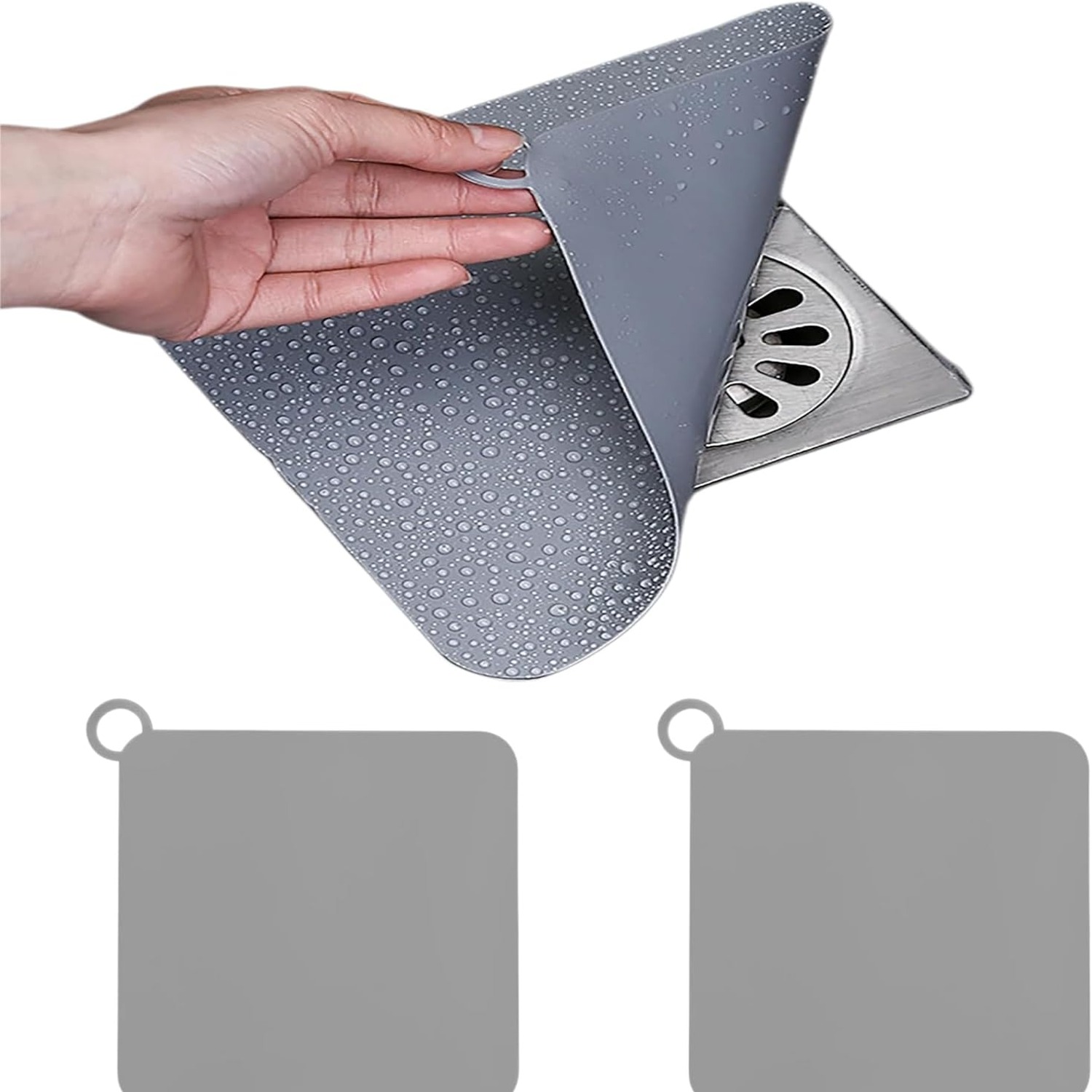
A silicone floor drain cover is the simplest answer to that. It covers the opening with a flexible sheet so the air has nowhere to go. No chemicals, no plumbing, nothing permanent.
How a flat silicone cover works
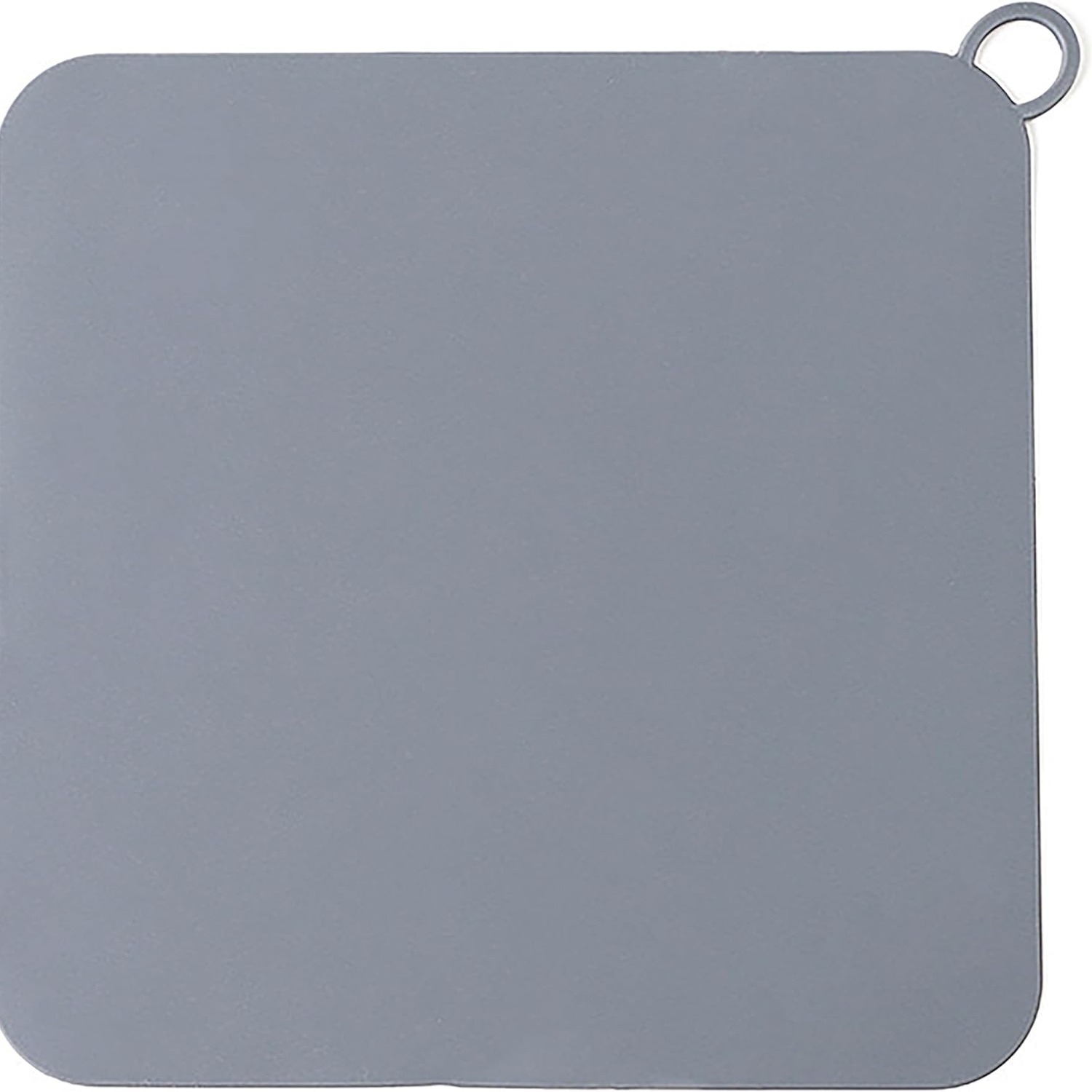
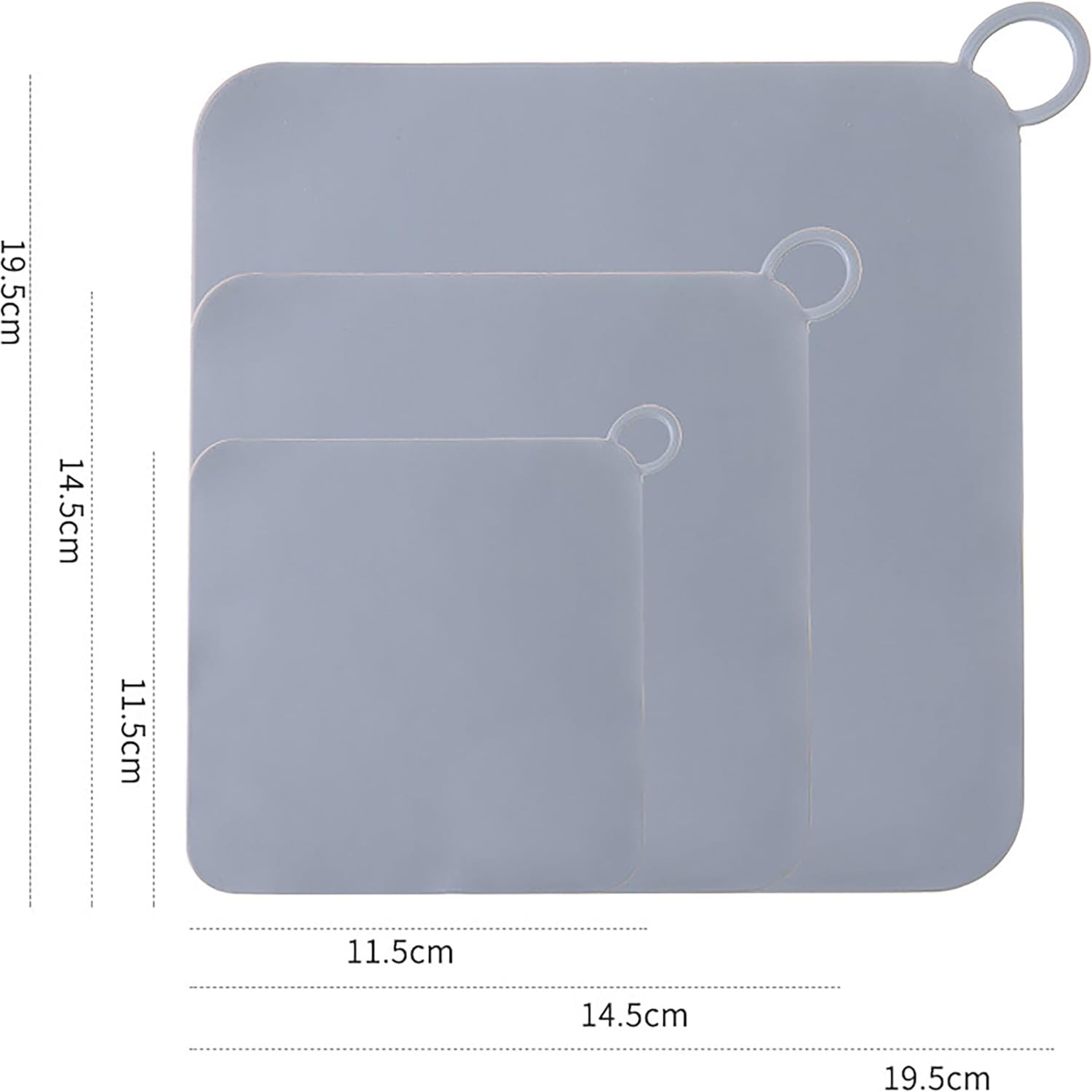
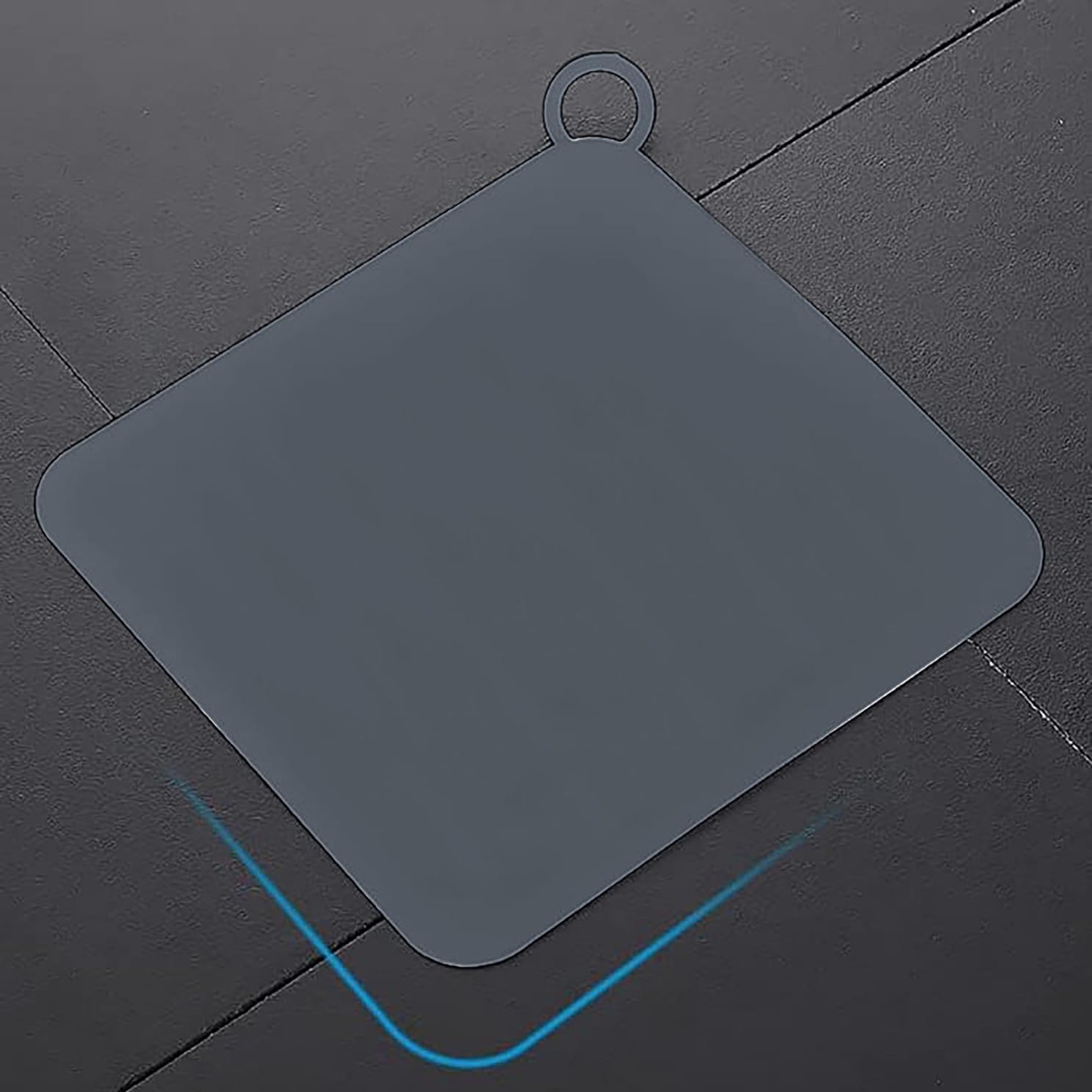
There is no clever mechanism here, and that is the point. The cover is a thin silicone sheet, in this case 20.3cm across, suited to a drain groove area around 8 inches wide. You put it over a clean, dry, flat drain and press it down. One side is made to grip the surface, so it holds position instead of sliding away when water runs across the floor or a foot catches the edge.
The side facing up has a matte finish. That matters more than it sounds. A glossy silicone mat looks like a puddle on the floor and gets slick when it is wet. Matte reads as a proper fixture and gives a bit more grip underfoot.
Silicone was chosen over plastic or metal for good reasons. It does not rust, which rules out the orange staining you get from cheap metal drain covers in a wet room. It flexes into corners and over small tile imperfections, then returns to flat rather than holding a crease. And it does not absorb water, so it dries fast and does not get that musty smell that fabric or foam picks up.
Each cover weighs 60 grams. Light enough to hang on a towel hook, heavy enough that it does not blow about.
Who this suits
The clearest case is a drain you barely use. Laundry floor wastes are the classic example. In most homes that drain exists for emergencies and sits dry for months at a time, which is exactly when the trap empties. A flat cover over it costs you nothing in convenience, because you were not using it anyway.
Guest bathrooms and second showers are the next group. Same logic, with the added advantage that you can lift the cover before a guest arrives and put it back when they leave.
Renters find these useful because nothing gets fixed down. There is no adhesive, no screw, no silicone sealant to scrape off later. You take it with you when you move.
People with an old bath plug that no longer seals use the same mat as a flat tub stopper. Pressed over a clean tub waste, it can hold water well enough to fill a bath. Test it with a shallow fill first rather than trusting it straight away.
Some people also use one over a kitchen sink opening, though this depends entirely on the shape of your basin. Many sinks have a curved bowl right around the drain with no flat landing area, and the cover has nothing to grip.
Choosing the right size and shape
Measurement is where most returns come from, so do this part properly.
Measure two things. First, the drain opening itself, across its widest point. Second, the flat area of floor or tile around the drain. The cover needs the first to fit inside its footprint and the second to give it something to grip. A 20.3cm cover over a 10cm drain works well because there is 5cm of contact all the way around.
Check whether your grate sits flush or raised. This cover is made to lie flat. A grate that sits proud of the tile, or a domed drain, stops the mat making full contact. You will get a partial seal at best and the grip will be poor.
Think about floor texture too. Smooth porcelain and polished concrete are ideal. Heavily textured anti-slip tile, the kind with a sandpaper feel, gives the grip side much less to hold onto. It will still cover the drain, it just moves more easily.
Finally, look at the drainage you actually need. If water has to run across that floor regularly, for example in a wet room shower, you will be lifting the cover each time. That is fine, but a strainer style cover might suit you better for daily use, with this one reserved for the drains that sit idle.
Why two covers are better than one
The set includes two, and the practical benefit is rotation. Anything that lives beside a drain will eventually need a proper wash. With a single cover you either put a damp one straight back down or leave the drain open while it dries. With two, you swap.
The second use is coverage. Most homes have more than one candidate drain. A bathroom and a laundry, or a main bathroom and an ensuite. Two covers handle both without a second order.
The third is simply having a spare. These are small, flexible items that get moved around, packed for a holiday house and occasionally lost behind a washing machine. A backup in the cupboard is worth having.
Keeping it clean
This is the easy part. Lift the cover, rinse it under the tap, wipe the underside with a cloth or soft sponge. That is enough for routine use.
Once every week or two, give it a proper wash with warm water and a little dish soap, paying attention to the grip side where soap scum collects. Rinse it well, then hang it by the moulded loop on the edge so water runs off and air gets to both faces. The loop is there for exactly this reason, and using it is what keeps the cover from sitting in its own damp patch on the floor.
Stay away from abrasive pads, scouring powder and anything sharp. Silicone scratches, and once the surface is scored it holds dirt and loses some of its grip. Bleach-based bathroom sprays are best avoided too, since there is no need for them on a surface that rinses clean anyway.
Let both the cover and the floor dry before pressing it back into place. Trapped water under the mat weakens the contact and can leave a ring on the tile.
A few honest limits
A drain cover handles odour at the opening. If the smell is coming from a blocked pipe, a dry trap further along the line, or a venting fault, the cover will reduce what reaches the room but it is not the fix. If a smell is strong in several drains at once, call a plumber.
It is also not a filter. While it is down, nothing passes, which means nothing drains either. Lift it when water needs to go somewhere.
And it is not a safety mat. The matte surface helps, but a thin silicone sheet is not a substitute for a proper non-slip shower mat if slipping is a real concern in your household.
The short version
If you have a drain that smells when it has not been used, this is a cheap, reversible fix. Measure your drain opening and the flat space around it, check the grate sits flush, and make sure 20.3cm gives you contact on all sides. Press the grip side down on a clean dry surface, lift it when you need the drain, rinse it under the tap and hang it to dry.
Two in the box means one is always clean and ready. Nothing gets glued, drilled or sealed, so it leaves no trace when you move it or take it with you.