

The complete guide
How To Choose A Silicone Floor Drain Plug That Actually Stops The Smell
The problem nobody talks about
There is a particular smell that turns up in bathrooms and laundries, and most people blame the bin, the towels or the cat before they work out where it is really coming from. It is the drain. Not a blocked drain, not a dirty drain, just an open one.
Under almost every floor waste there is a small bend in the pipe that holds a cup of water. That water is the only thing standing between your room and the sewer line. It works beautifully right up until it dries out. A hot week, a bathroom nobody uses, a laundry drain that has not seen water since the last big wash, and the seal is gone. Now the pipe has an open path into the house, and every time the pressure in the system shifts you get a waft of something sour.
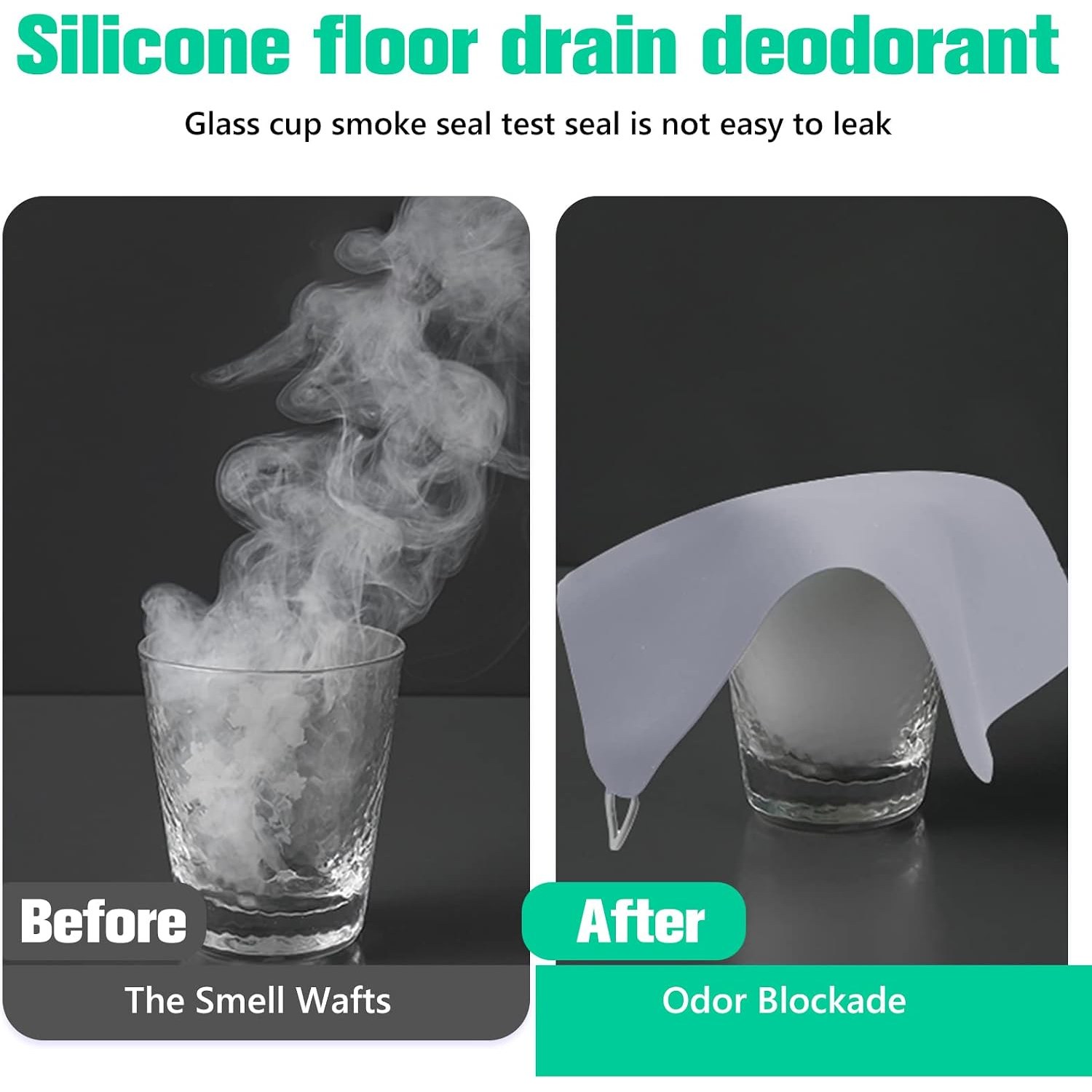
You can top the trap up by pouring a jug of water down it. That works for a few days. Then you are back to the jug. A silicone floor drain plug deals with the same problem from the other direction, by closing the opening at floor level so there is nothing for the smell to travel through.
How a silicone drain plug works
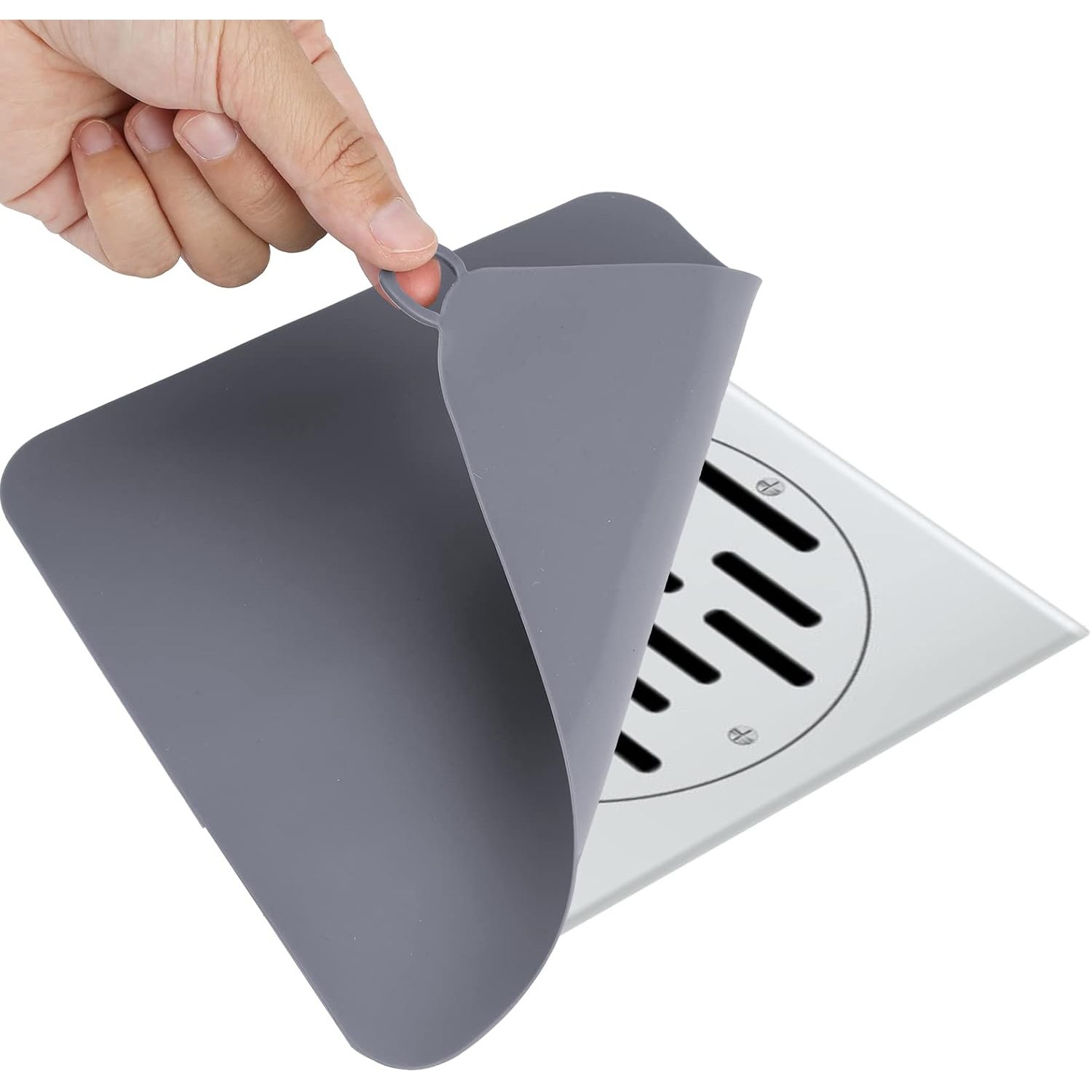
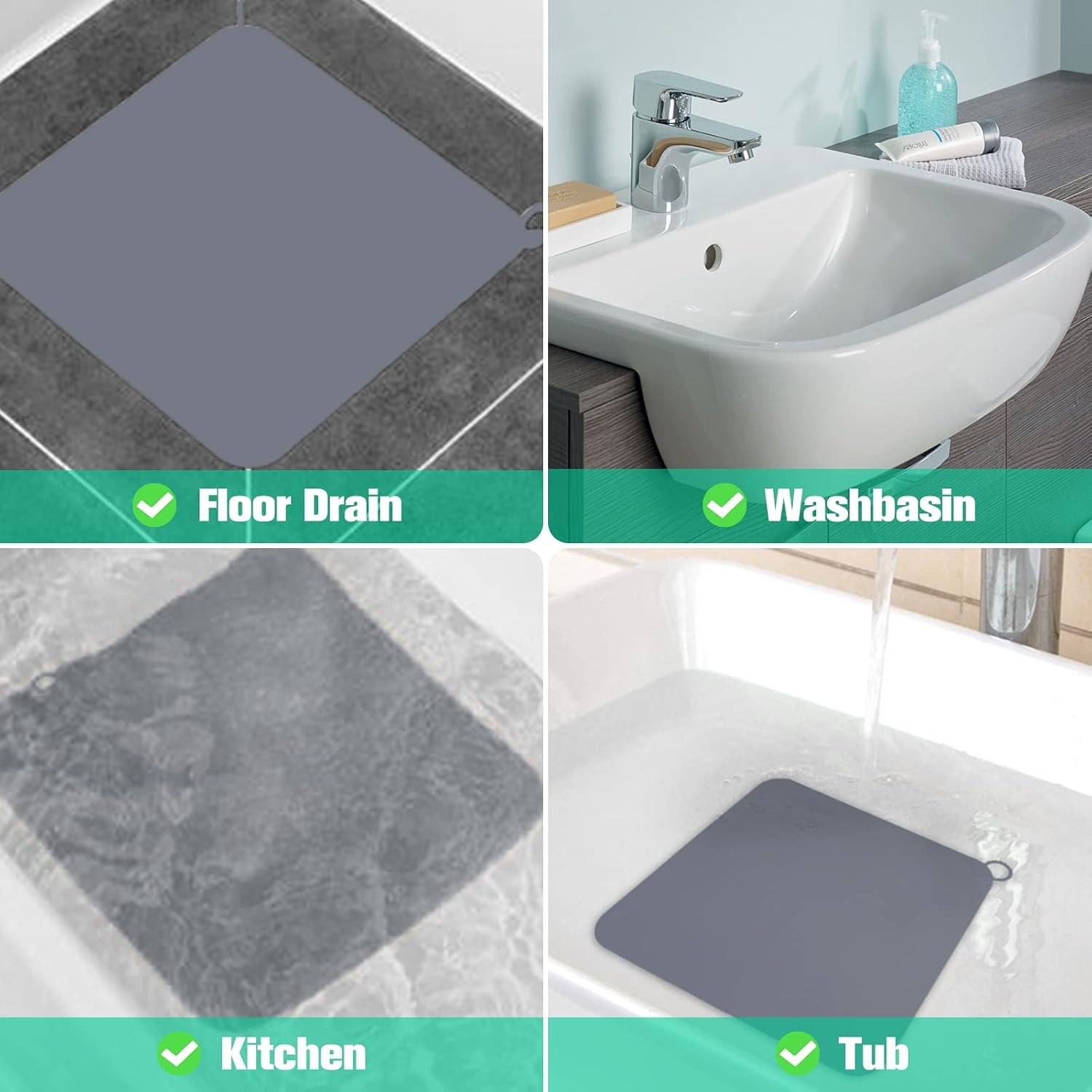
The idea is simple. The plug sits in or over the drain opening, flexible enough to press into position and hold itself there. Water still gets past when the floor is wet, but the air path is largely closed when it is dry.
Silicone is the right material for this for a few reasons. It stays soft across a wide temperature range, so it does not harden up in a cold laundry or go sticky near a hot shower. It shrugs off water, obviously, and it tolerates the soaps and cleaners that end up on a bathroom floor. It also has a bit of memory, meaning you can squeeze it, wash it, bend it out of shape and it will come back. Harder plastic covers tend to crack along the stress lines after a year or two.
The other benefit is grip. Silicone has more friction against tile and metal than a slick plastic disc, so it is less likely to float off or slide out of position when the floor gets a soaking.
Why square beats round more often than you expect
If you walk around your house and look at where the floor wastes actually sit, you will notice a pattern. They are rarely in the middle of a room. They are in the corner of a shower recess, tight behind the washing machine, or pushed up against a skirting board where the floor falls away.
A round cover in that position leaves a crescent of open drain against the wall, which is exactly the part you cannot reach to wipe clean. A square plug tucks right in. The flat edge meets the wall, the opening is covered, and you are not left with an awkward gap collecting hair.
That said, square is not magic. If your drain is a large round gully, measure it. The plug can still sit across the top as a cover, but the tightest seal comes when the shape roughly matches the opening.
Measuring before you buy
This is the step people skip, and it is the one that decides whether the plug is useful or lives in a drawer.
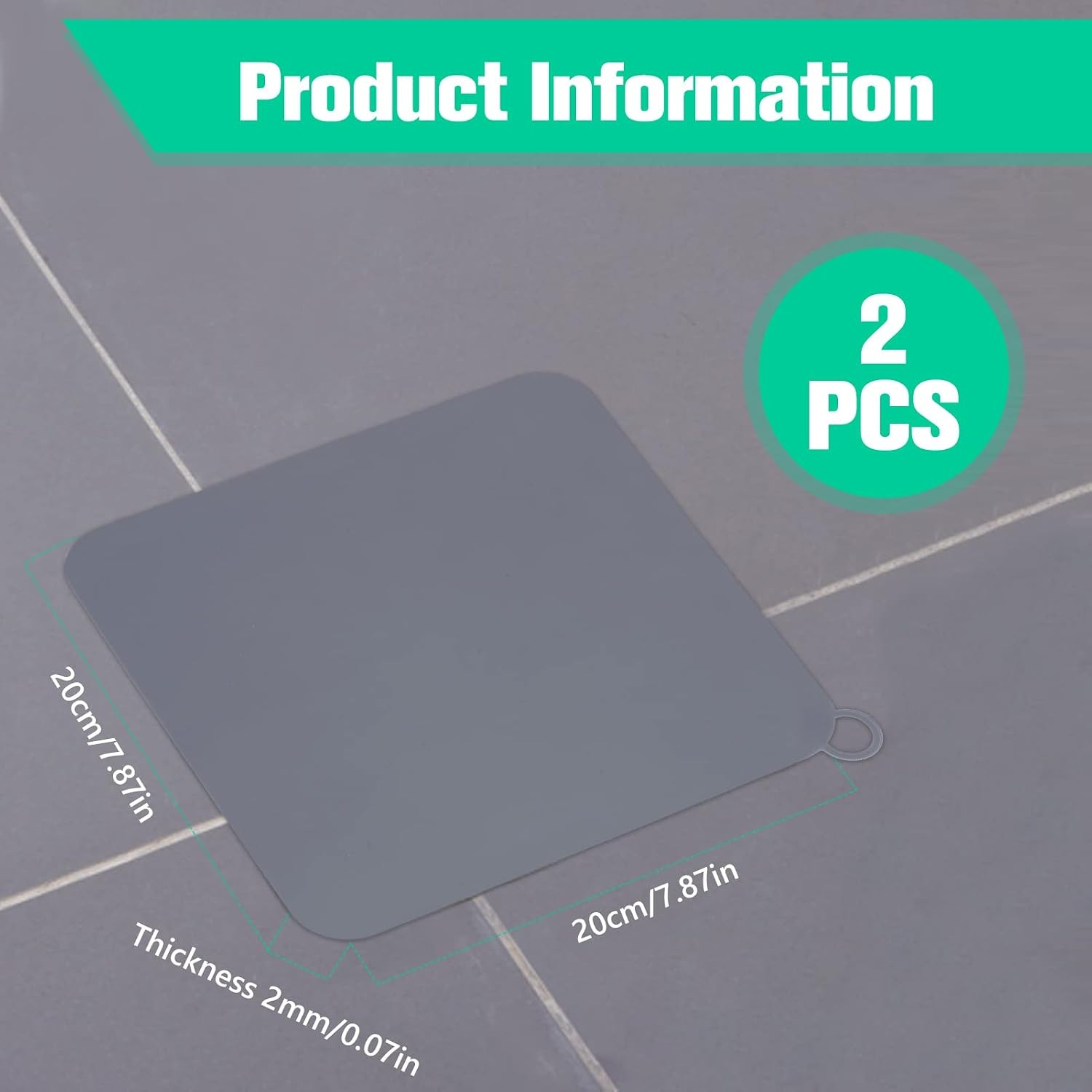
Lift your grate and measure the clear opening in two directions. Write both numbers down. Then measure the outer rim of the grate as well, because some people prefer to fit the plug over the top rather than inside the hole. Compare those figures against the maker's details images before you order.
If you have more than one floor waste in the house, check them all. It is common to find that a bathroom drain and a laundry drain are different sizes even in the same build, because they were installed by different trades on different days.
Who this suits
Renters get a lot out of a product like this. There is no drilling, no silicone sealant, no permanent change to the property. You push it in, and when you move out you pull it out and take it with you.
Owners of older homes benefit too, because older plumbing tends to have traps that dry faster and pipes that smell more. Holiday houses and apartments that sit empty between visits are almost a guaranteed use case, since the trap has weeks to evaporate while nobody is there.
It also suits anyone with long hair in the house. Hair in a floor waste is a slow-building problem that ends in a plumber's bill. A cover that keeps it on the surface, where you can wipe it into the bin, is cheap insurance. People searching for the best laundry drain plug are often really solving a lint problem rather than a smell problem, and the same cover handles both.
Where it is not the answer
Be clear about what this does and does not do. It is an odour cover, not a flood stopper. Water is meant to pass, so it will not hold back a backed-up main or protect a floor during a storm surge. If water is coming up out of your drain, you have a drainage problem that needs a plumber, not a plug.
It also will not fix a genuine blockage. If the drain is slow, clear it first. Covering a blocked drain just hides the symptom while the build-up keeps growing underneath.
And if the smell continues with the plug fitted, the source is probably somewhere else, like a failed seal around a toilet base or a vent problem in the roof. Worth knowing before you spend a weekend chasing it.
Fitting it the first time
Clear the area first. Lift the grate if it comes out, and clean the opening properly with a brush and hot water, because a plug pressed onto a ring of grime will never sit flat.
Dry the lip of the drain if you can. Then press the plug in, working around the edges so it beds evenly rather than cocking to one side. Run a little water over it to check that it drains and does not lift. That is the whole job.
If the floor around the waste is uneven, which happens in older tiled bathrooms, give the plug a day or two to settle in. Silicone tends to relax into the shape it is sitting in.
Looking after it
Cleaning is quick and worth doing on a schedule rather than when you notice a problem. Every week or two, lift the plug out, rinse it under warm water, and wipe both faces. Soap scum and body oils build up on the underside where you cannot see them, and that is what starts to smell on its own.
Mild dish soap and a soft brush handle anything stubborn. Skip the bleach soaks and the scourers. Both shorten the life of silicone, and neither is needed for the amount of build-up a drain cover collects in a fortnight.
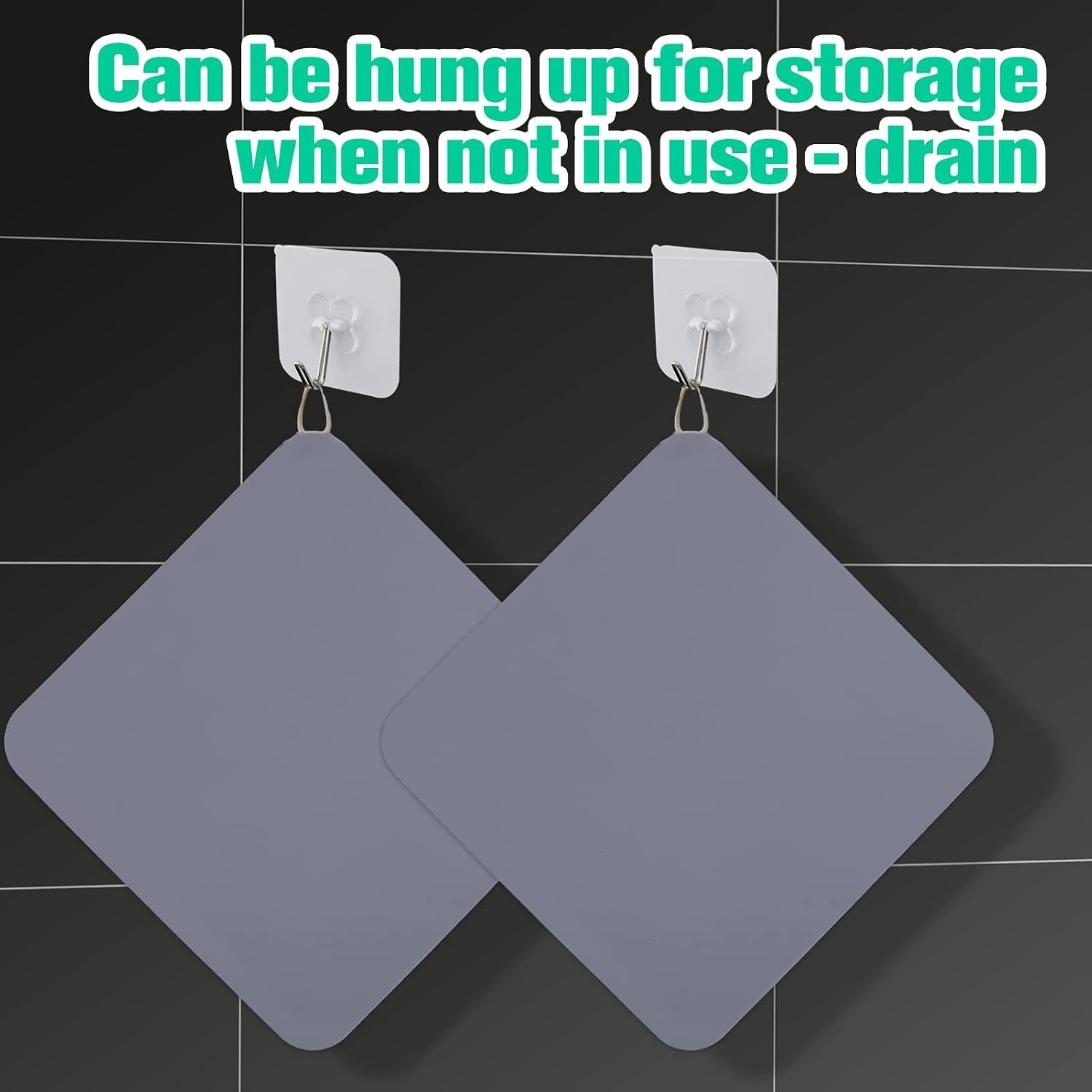
Dry it before you put it back. A dry plug beds down flat. A wet one can slide.
This is where having two in the pack earns its keep. Swap the clean one in while the other dries, and the drain is never left open.
The short version
A floor drain smell usually means a dry trap, not a dirty house. Pouring water down the drain is a temporary patch. A silicone plug closes the opening properly, keeps hair and small objects out of the pipe, and takes about thirty seconds to fit.
Measure your drain opening before ordering. Pick square if your waste sits near a wall, which most do. Clean the plug every week or two and it will keep working for years.
Two plugs in the pack means you can cover the bathroom and the laundry at once, or keep a spare for cleaning days. For a problem that otherwise drives people to chemicals and plumbers, that is a sensible place to start.