
The complete guide
How to Choose a Sink Strainer Holder That Actually Fits Your Kitchen
The problem with the plughole
Every kitchen has the same quiet battle going on. You rinse a plate, a few grains of rice go down, a bit of onion skin follows, and nothing looks wrong. Then one evening the water sits in the basin for twenty seconds longer than it should, and you realise the drain has been collecting that stuff for months.
The standard little basket that sits in the plughole helps, but it is small, it overflows, and it is annoying to lift out when it is full. Bigger fixed baskets take up so much room that you end up working around them. What most people actually want is something that catches the scraps, holds a decent amount, and then gets out of the way.
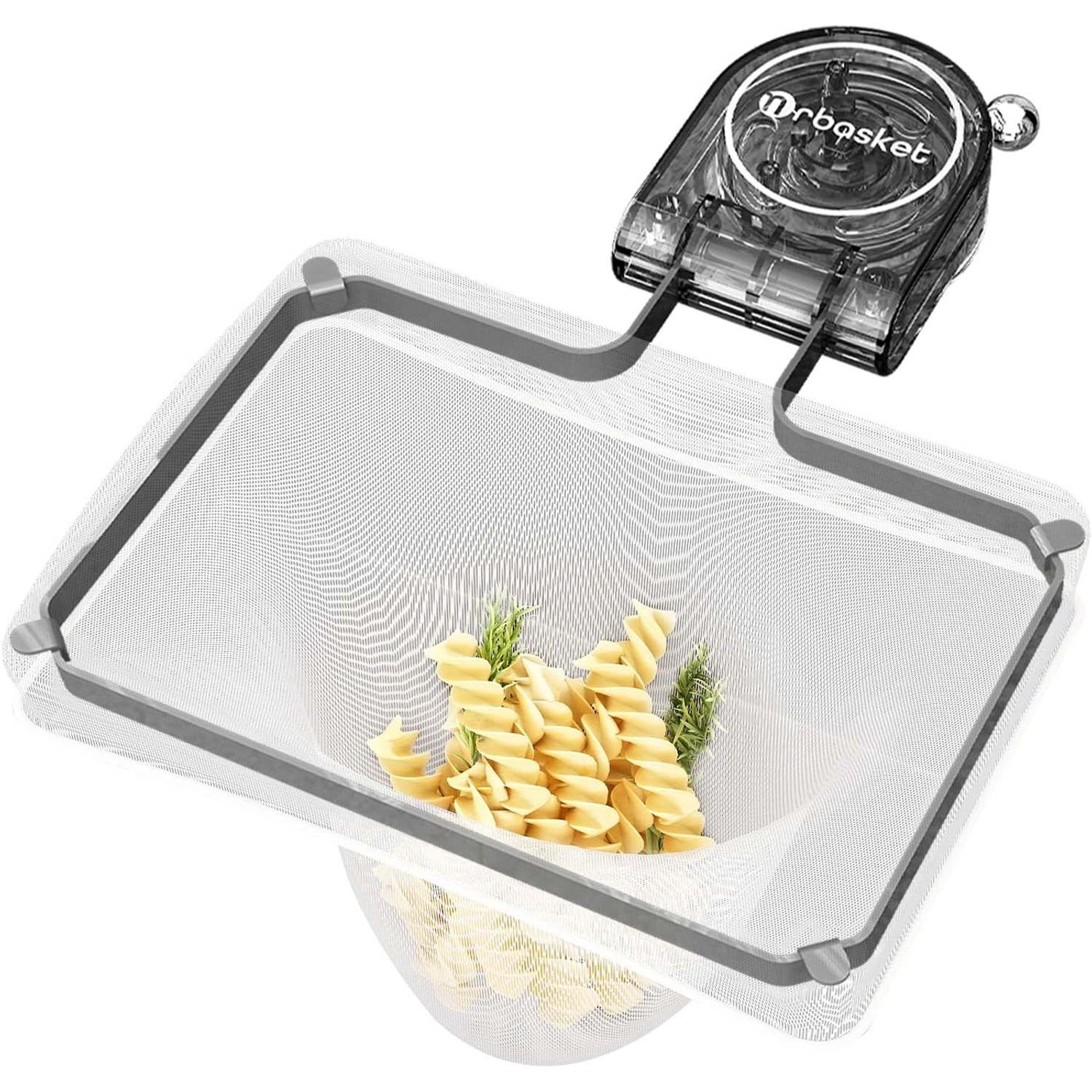
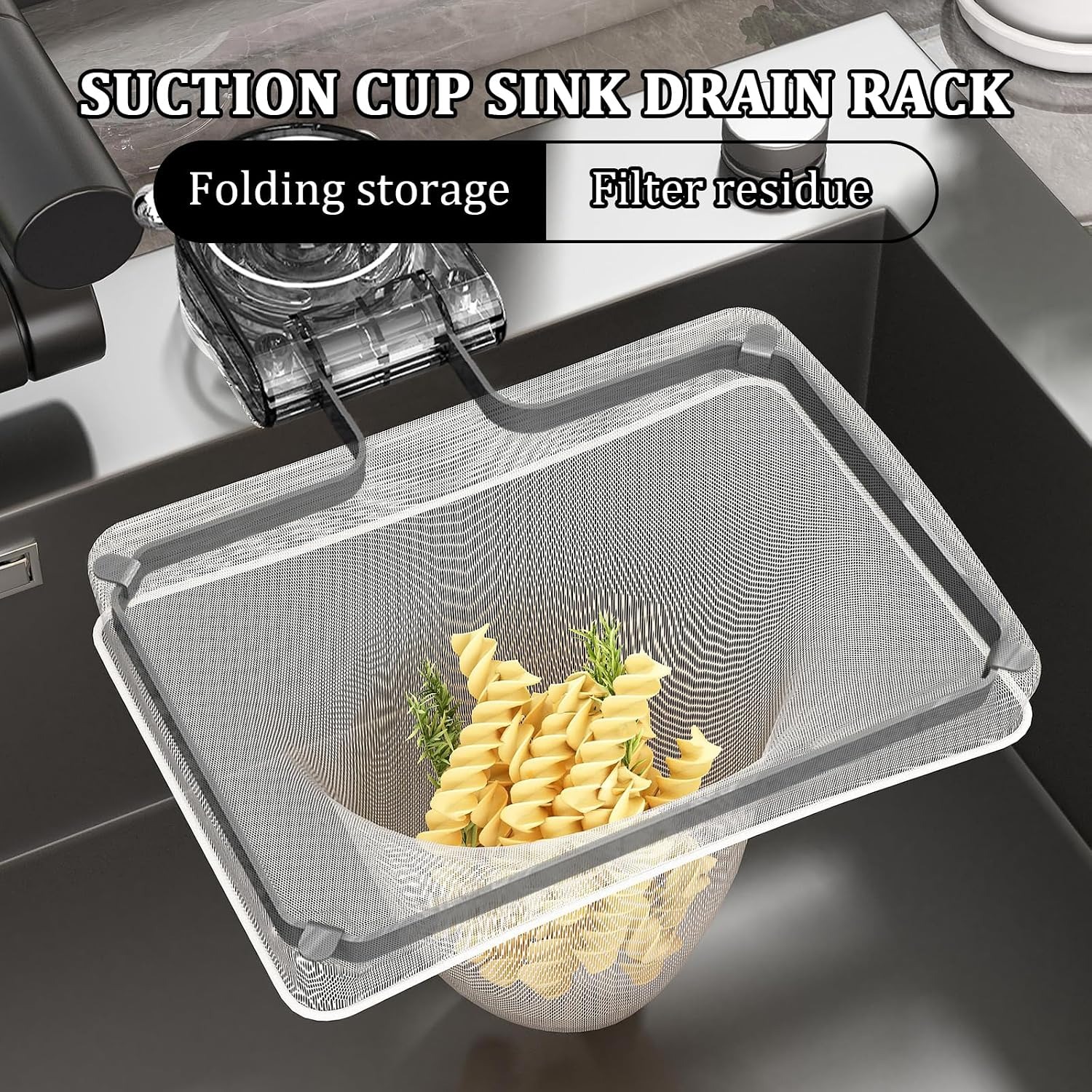
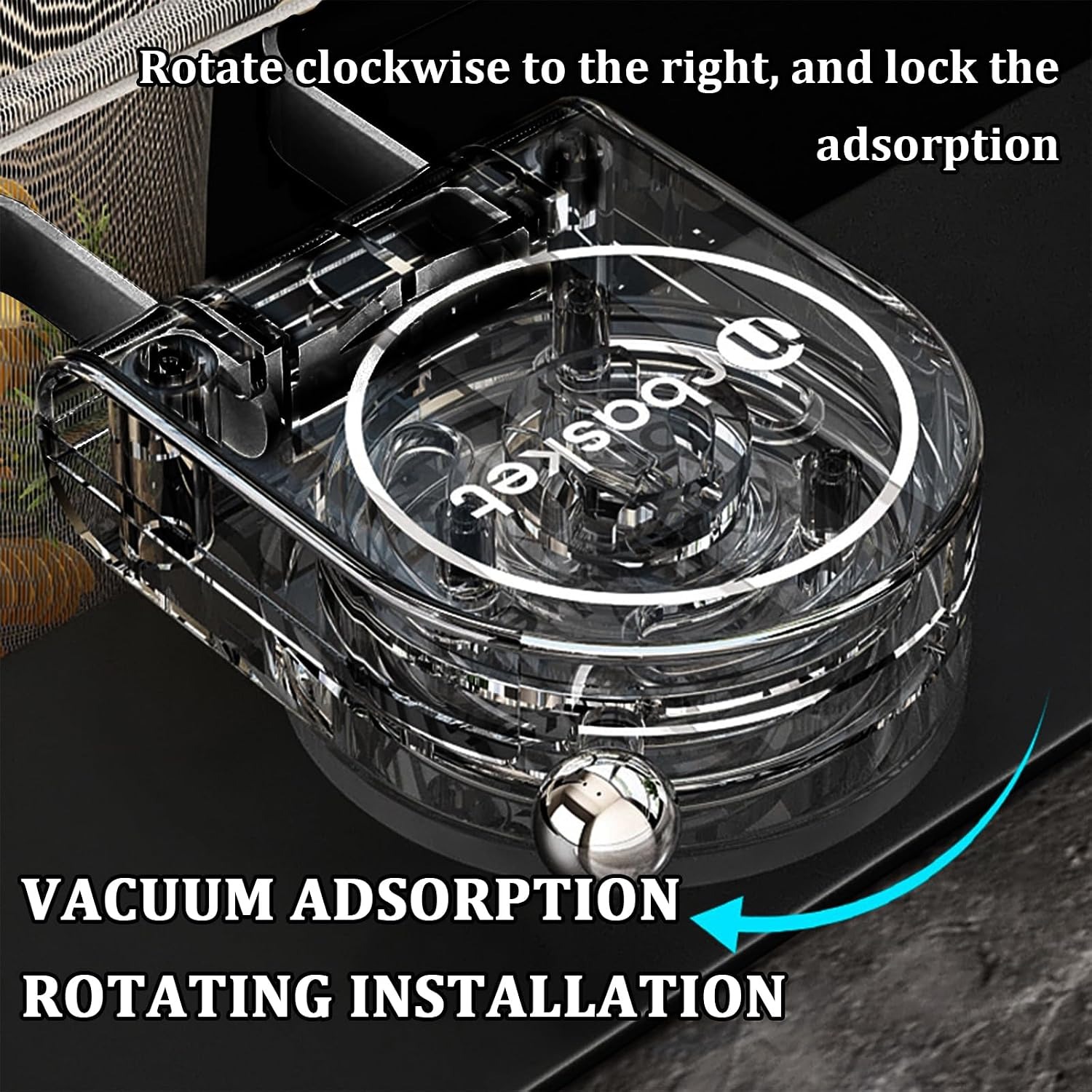
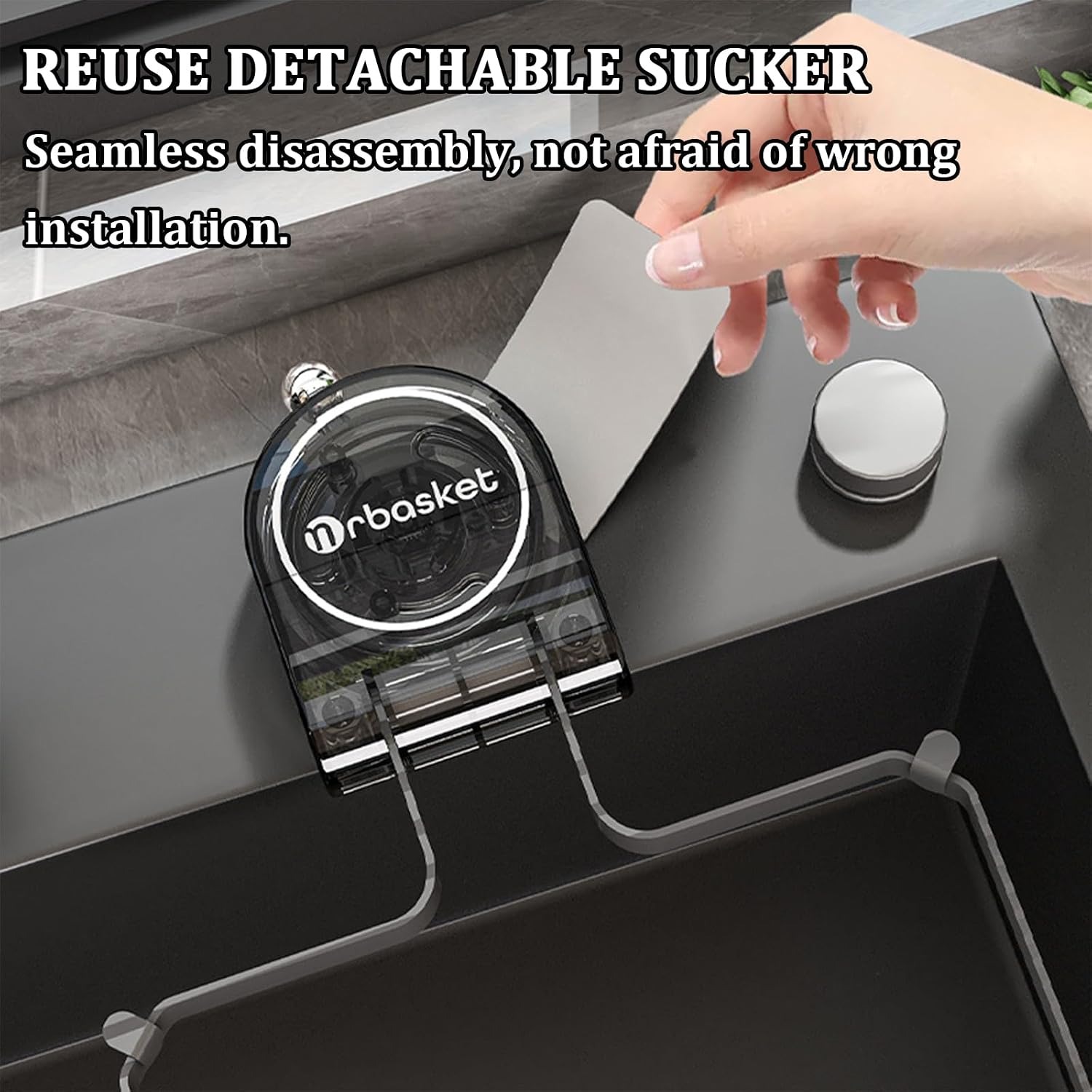
That is the gap a folding sink strainer holder with mesh bags fills. It is a plastic frame with a suction cup on the back and a mesh bag across the front. Press it onto the sink wall, rinse everything over it, and the solids stay in the bag while the water carries on down the drain.
How a suction cup sink strainer works
The mechanics are simple, which is part of the appeal. The frame holds a mesh bag open like a small net. The suction cup presses against a smooth section of your sink wall and creates enough grip to hold the frame and a load of wet scraps.
Because there is nothing drilled or glued, you can put it anywhere there is a flat, smooth patch. That usually means the back or side wall of a stainless steel or ceramic sink. You can move it to the other bowl, take it off for a deep clean, or pack it away entirely when you need the whole basin free.
The folding part matters more than you might expect. A fixed scrap catcher is fine until you need to fill a stockpot or scrub a baking tray. Then it becomes an obstacle. This one collapses into the sink corner, which gives you the full basin back in one movement.
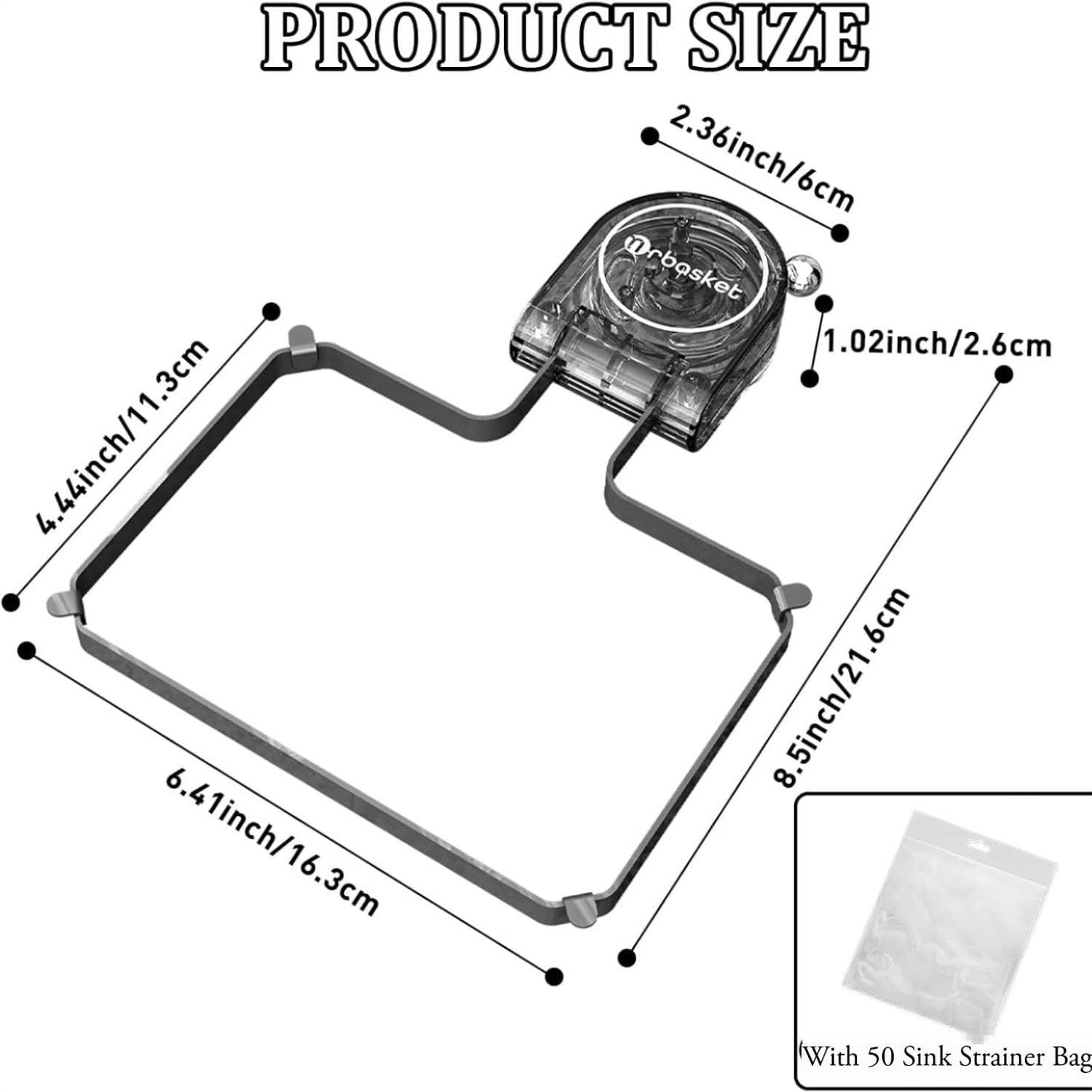
The listed item depth is 4.44 inches, and the frame is plastic with a natural, uncoated finish in grey. Full outer dimensions and weight are not specified by the maker, so if you have an unusually narrow sink, measure your corner before you order.
Who it suits
Small kitchens and apartments. If your sink is a single small bowl, you cannot afford a permanent basket sitting in it. Folding is the whole point here. Anyone hunting for the best space saving sink strainer is really hunting for this feature.
Renters and share houses. Nothing is fixed to the kitchen, so when you move, you peel it off and take it with you. No marks, no holes, no landlord conversation.
People who compost. Collecting peelings in a mesh bag through the day and tipping them into a caddy at night is far neater than scraping them from the plughole with a fork. The mesh drains the water off first, which keeps the caddy from turning into a swamp.
Cooks who rinse a lot of produce. Herbs, berries, salad leaves, and cherry tomatoes all need a place to drip. Dropping them in the mesh while you get on with the next step beats balancing a colander on the bench.
Caravans, boats, and tiny galleys. Light, foldable, and no fixings. Just take it down before you travel.
What to look for when you choose
The mounting method. Suction is the convenient option, but it needs a smooth surface. Run your hand over your sink wall. If it is textured, hammered, or heavily scratched, a suction cup sink strainer will struggle. Smooth stainless steel and ceramic are ideal.
Whether it folds. Plenty of corner baskets do not. If your sink is small, folding is the difference between a useful tool and a permanent nuisance.
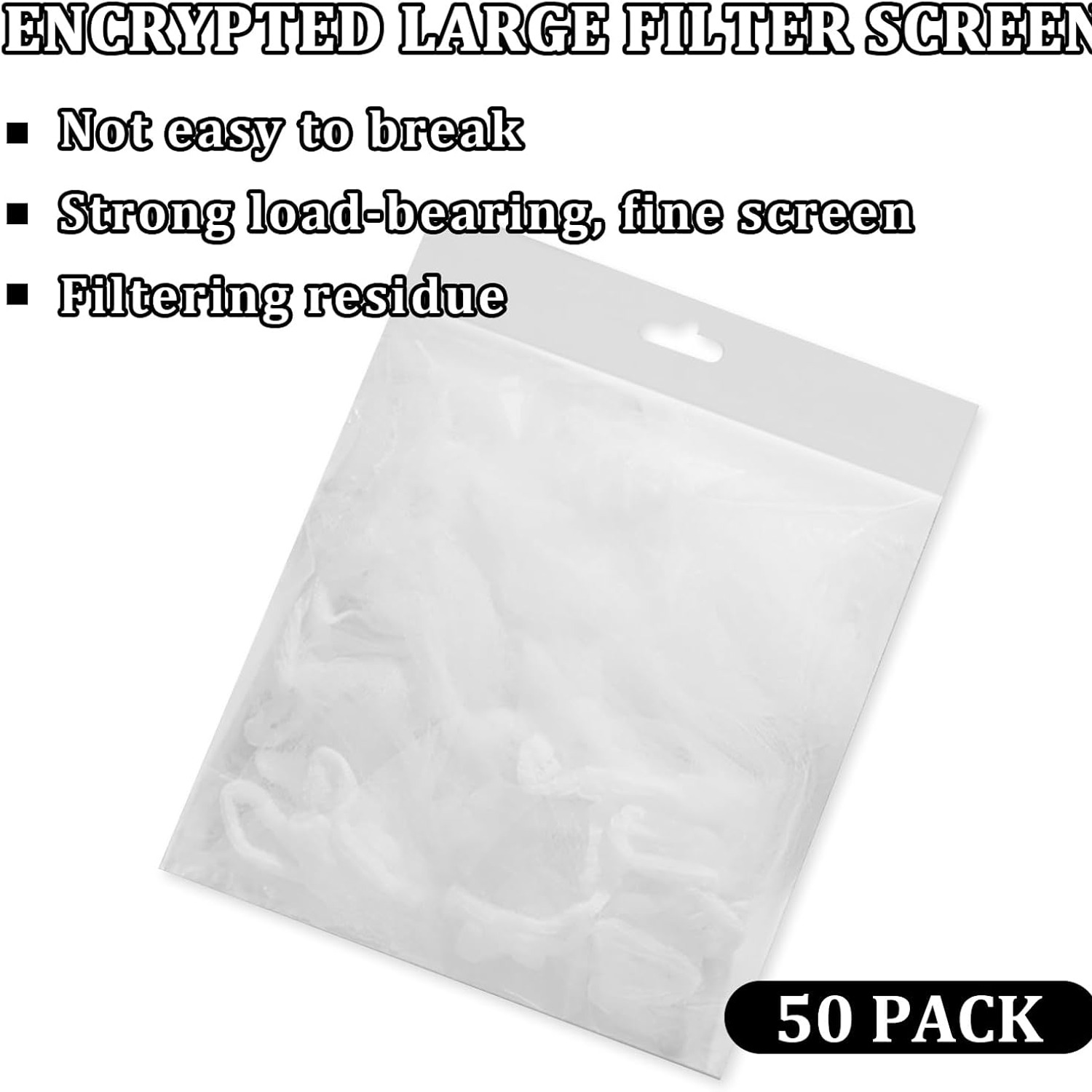
Bag type. Mesh bags come in fine and coarse weaves. Fine mesh catches tea leaves and coffee grounds but clogs faster. Coarse mesh drains quicker but lets small particles through. Most people find a medium weave the best compromise for a kitchen sink scrap catcher.
Ease of emptying. You will do this every day, so it needs to be a one-handed job. A bag that lifts straight off the frame is much better than one you have to unthread.
Cleanability. Plastic frames with few seams and corners are easier to keep fresh. Anything with deep grooves collects grease.
Getting the best grip from the suction cup
This is the one thing people get wrong, and it is worth two minutes of care. Grease is the enemy of suction. Before you fit the strainer, wash the sink wall with warm soapy water, rinse it, and dry it. Do the same to the cup. Then wet the cup very slightly, press it to the wall, and push the centre firmly to force the air out.
If it slides after a few weeks, it is almost always because a film of cooking oil has built up on the sink. Take it off, clean both surfaces, and refit. Once a week is plenty in most kitchens, less in a household that does not fry much.
Also, resist the urge to hang a heavy wet load on it. A bag full of soaked pasta weighs more than it looks. Empty as you go and the cup will keep holding.
Day to day use
The routine settles quickly. Fit the strainer before you start washing up. Scrape the worst of the plates into the bin as usual, then rinse everything over the mesh. Peelings and trimmings from prep go straight in while you cook.
When you are finished, lift the bag, tip it into the bin or compost, give it a rinse, and fold the frame flat. The whole thing takes less time than wiping the bench.
For produce, drop washed items into the mesh and let them drain while you move on. It is a useful habit for herbs especially, since they bruise in a colander under the weight of other ingredients.
Keeping it clean
Rinse the mesh after every use. That single habit prevents nearly all smells. Every few days, wash the frame and bag with warm soapy water and a soft brush, paying attention to the inside of the frame where food collects.
Let both parts dry fully before folding them away. Damp mesh folded against damp plastic is how mould gets started.
Avoid bleach, oven cleaner, strong solvents, and steel wool, which can mark the plastic and tear the mesh. Avoid tipping boiling water straight onto it too. Pour that down a clear section of the sink.
Expect the mesh bag to wear out before the frame. When it thins, tears, or stains past the point of looking clean, swap it. The frame itself should carry on for a long time with light care.
The short version
A sink strainer holder with mesh bags solves a small daily annoyance with very little fuss. It catches food waste before it reaches the drain, it holds rinsed produce while it drips, and it folds into the sink corner the moment you need your basin back.
The QIEPOMI version is grey plastic with a natural finish, foldable, and held on by a suction cup, with a listed item depth of 4.44 inches. Check that your sink wall is smooth, keep the cup and the surface free of grease, empty the bag as you go, and it will quietly do its job every single day.