
The complete guide
Choosing a Tile Insert Floor Drain, A Practical Buyer's Guide
The problem nobody plans for
A floor drain is the least glamorous thing in a bathroom. It costs less than the tap, nobody compliments it, and it sits in the one spot where water collects. Then one day the shower starts draining slowly, a faint sewer smell turns up in the laundry, or you notice the old grate has gone brown around the edges and will not come clean.
That is when the floor drain stops being invisible. And it is usually a cheap builder-grade grate causing it, because the builder bought the one that cost the least and nobody thought about it again.
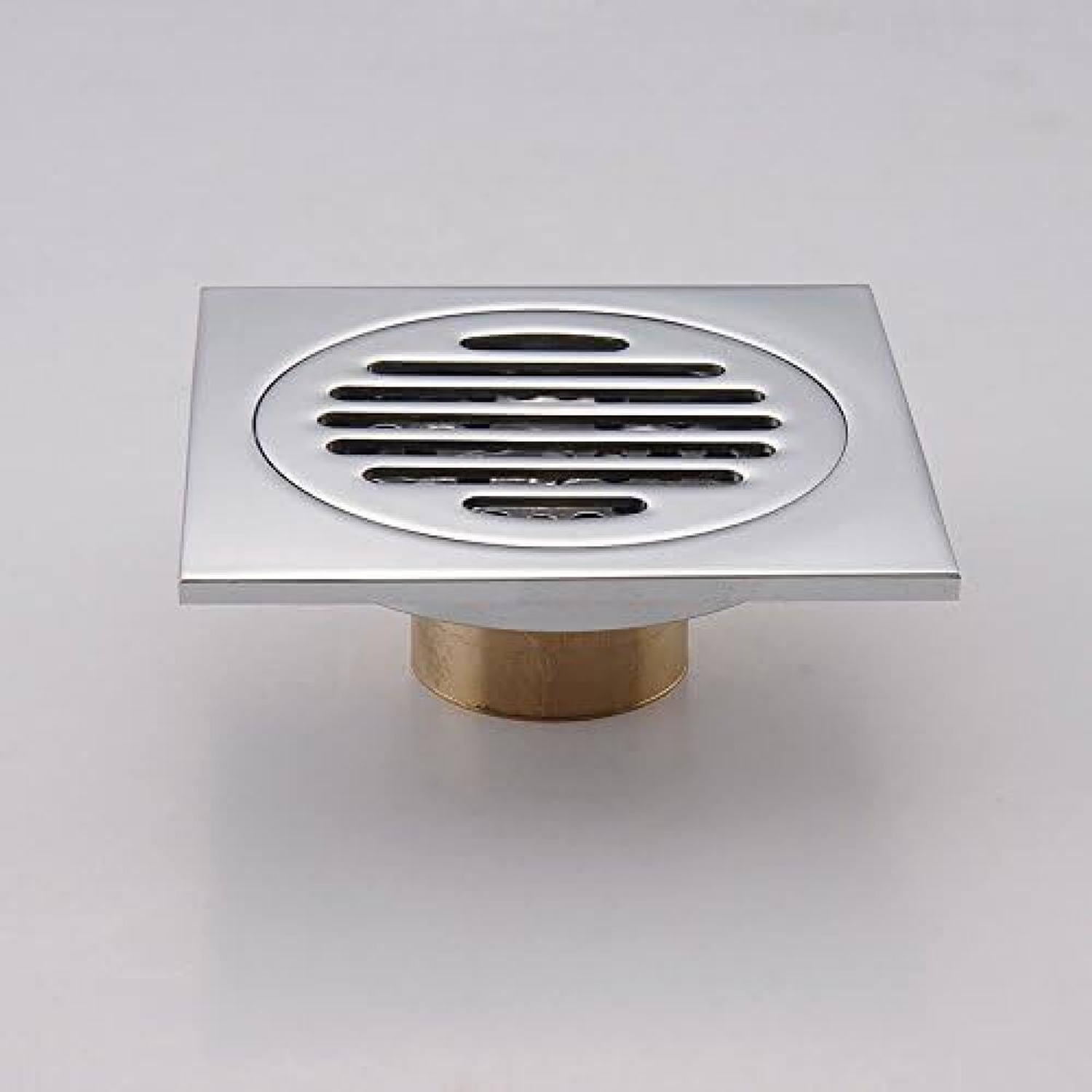
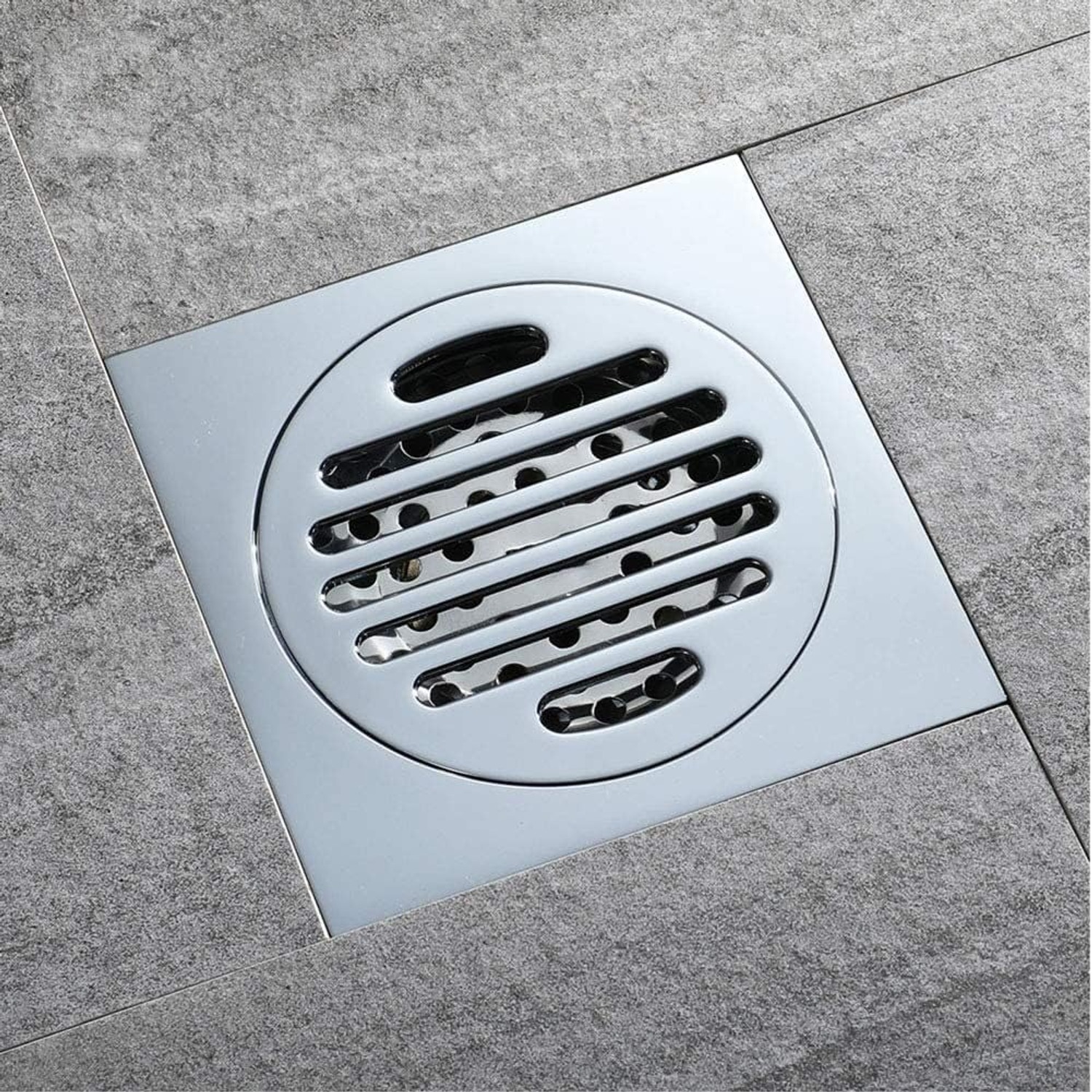
A square tile insert floor drain fixes two things at once. It sits flush with the tile so it looks deliberate rather than an afterthought, and the removable strainer gives you somewhere easy to catch the hair and grit before they travel into the pipe. That second part is what actually changes your week-to-week life.
How a floor waste with a strainer works
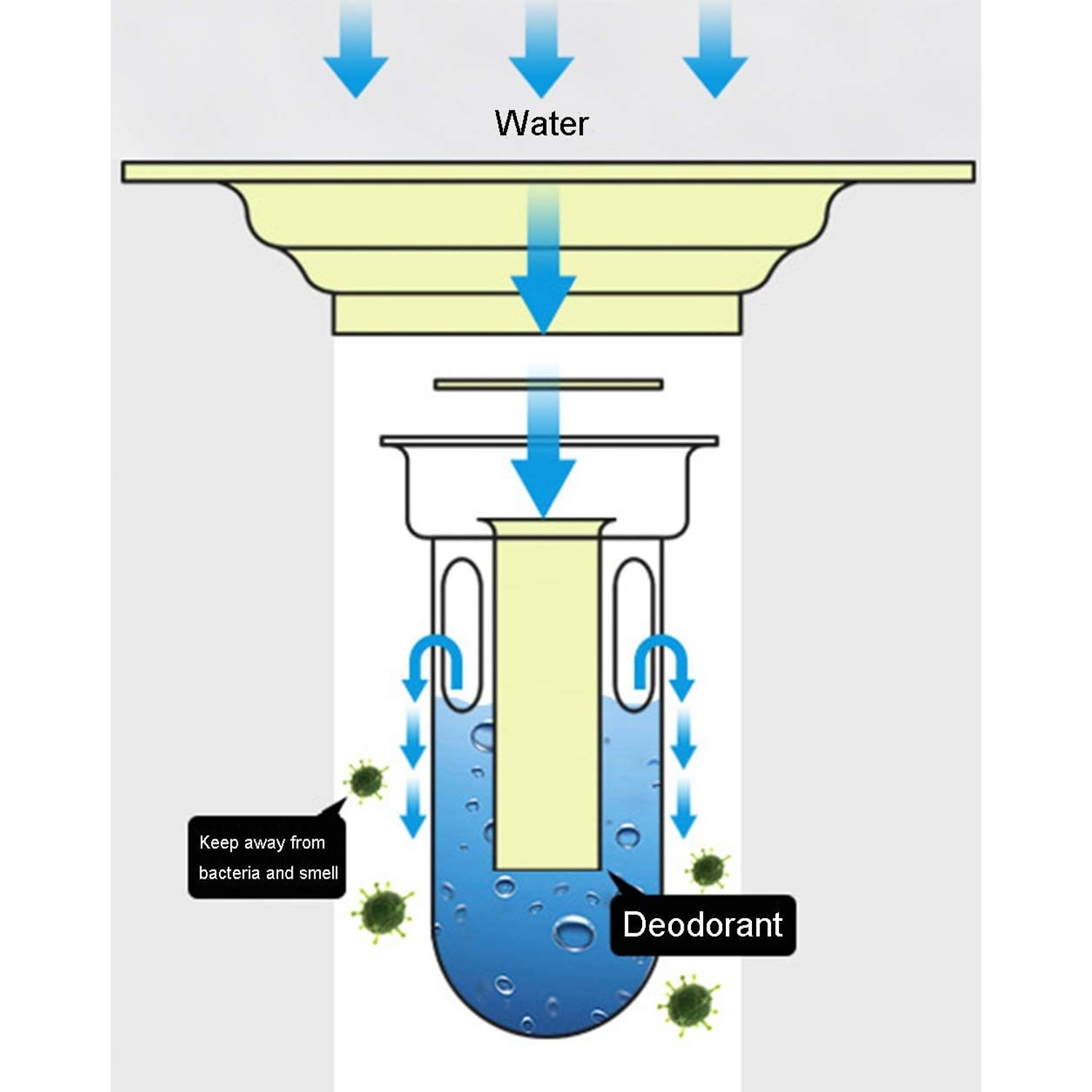
Water goes through three stages. It passes the face of the drain, falls through the strainer, then runs through the core and into the waste pipe.
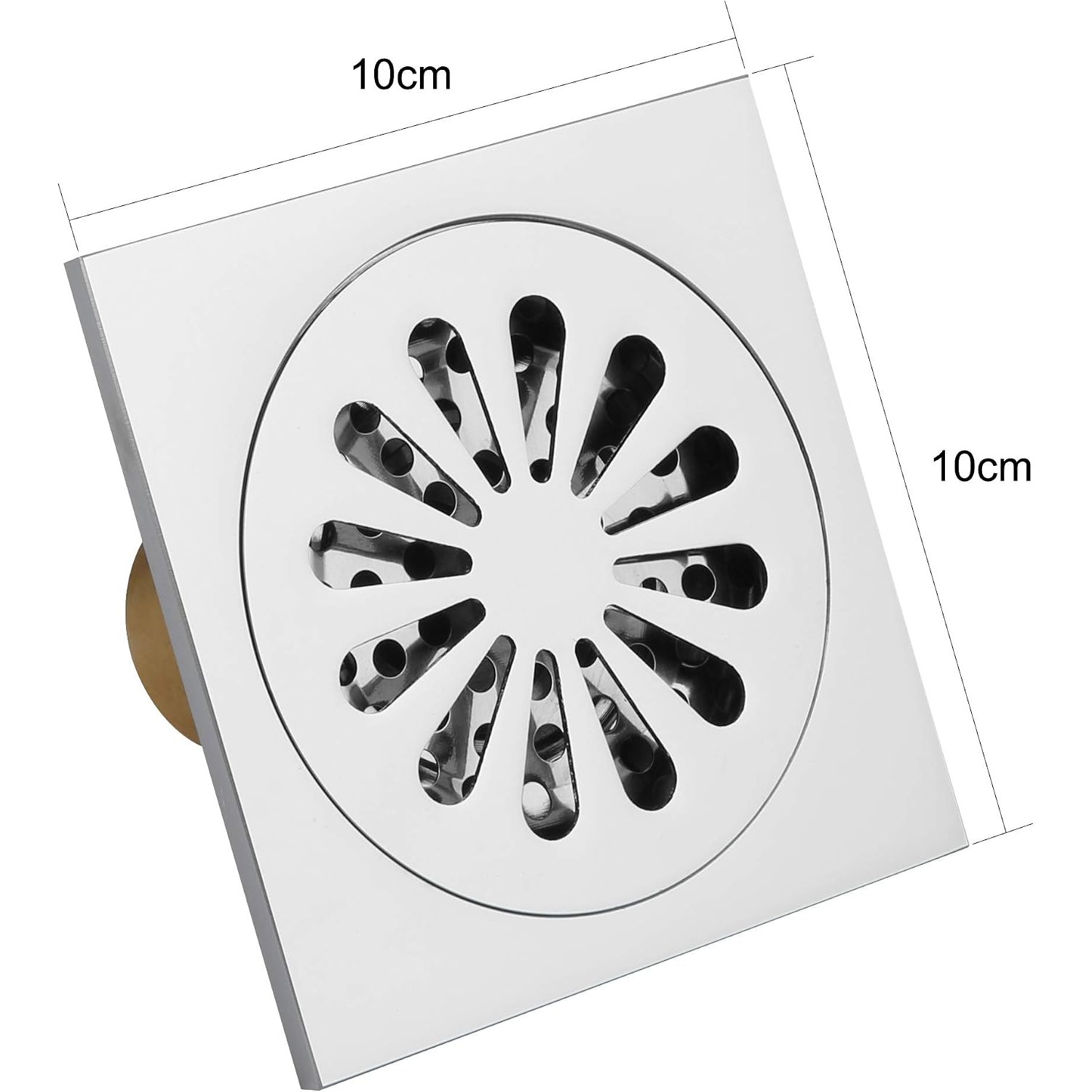
The face is the part you see. On this drain it is a square polished surface with openings spaced to let water fall quickly rather than puddle. A wide outfall matters more than people expect. If the opening is narrow, water sits on top of the grate and spreads across the floor, which is how you get that permanent damp corner.
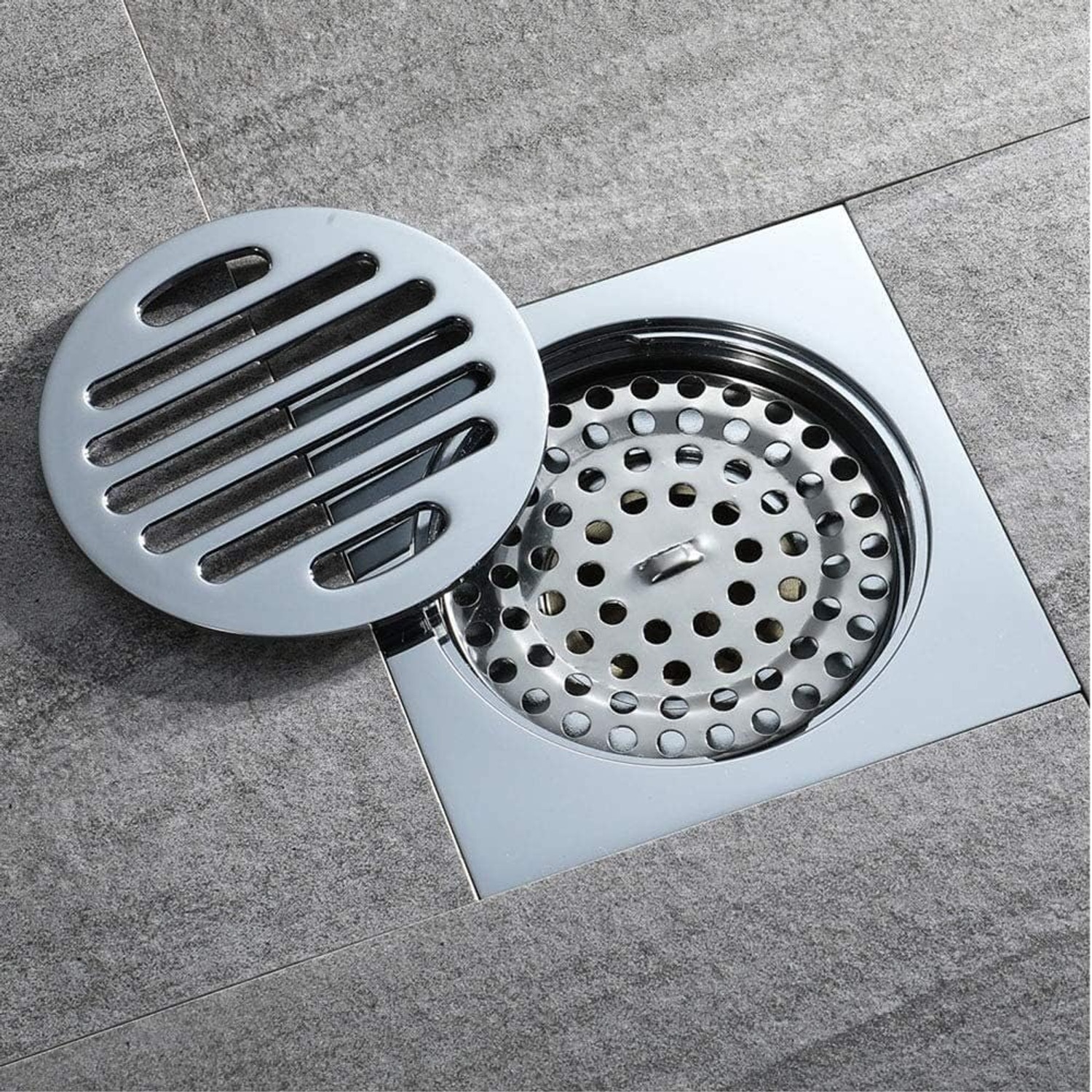
The strainer sits below the face. It is a basket that holds hair, lint and grit. Everything that would otherwise knit itself into a blockage somewhere inside your waste pipe collects in a small removable part you can lift out with your fingers. The clog still happens, but it happens somewhere you can reach.
The core is the last stage. After the water has gone, it returns to a closed position. That closed core forms a barrier between the room and the pipe below, which helps hold back the sewer odour and the insects that otherwise use a floor waste as a doorway. It is a mechanical idea rather than a chemical one, and it only works properly while the drain is clean.
Who this suits
Showers are the obvious case. A shower floor generates more hair than any other drain in the house, and a strainer takes the pain out of it. If you have long hair in the household, this is not a nice-to-have.
Laundries are the quiet winner. Lint, washing machine overflow, the occasional bucket getting tipped out. A square floor drain in a laundry handles all of it, and lint strains out just as well as hair.
Balconies and external landings benefit during leaf season. Instead of leaf litter heading into the pipe and sitting there, it sits in the strainer where you can tip it into the bin. Expect to check it more often in autumn.
Garages, workshops and basements are the rougher end of it. If you hose a floor down, grit comes with the water. A strainer keeps the worst of it out of the line. In those spaces, clear the strainer after each wash rather than waiting.
Kitchens and commercial wet areas use these too, though grease is the enemy there. The best kitchen floor drain grate in the world still needs frequent cleaning when fat is involved.
How to choose the right one
Start with measurement, not looks. Three numbers decide whether a drain fits, and getting them wrong wastes everyone's time.
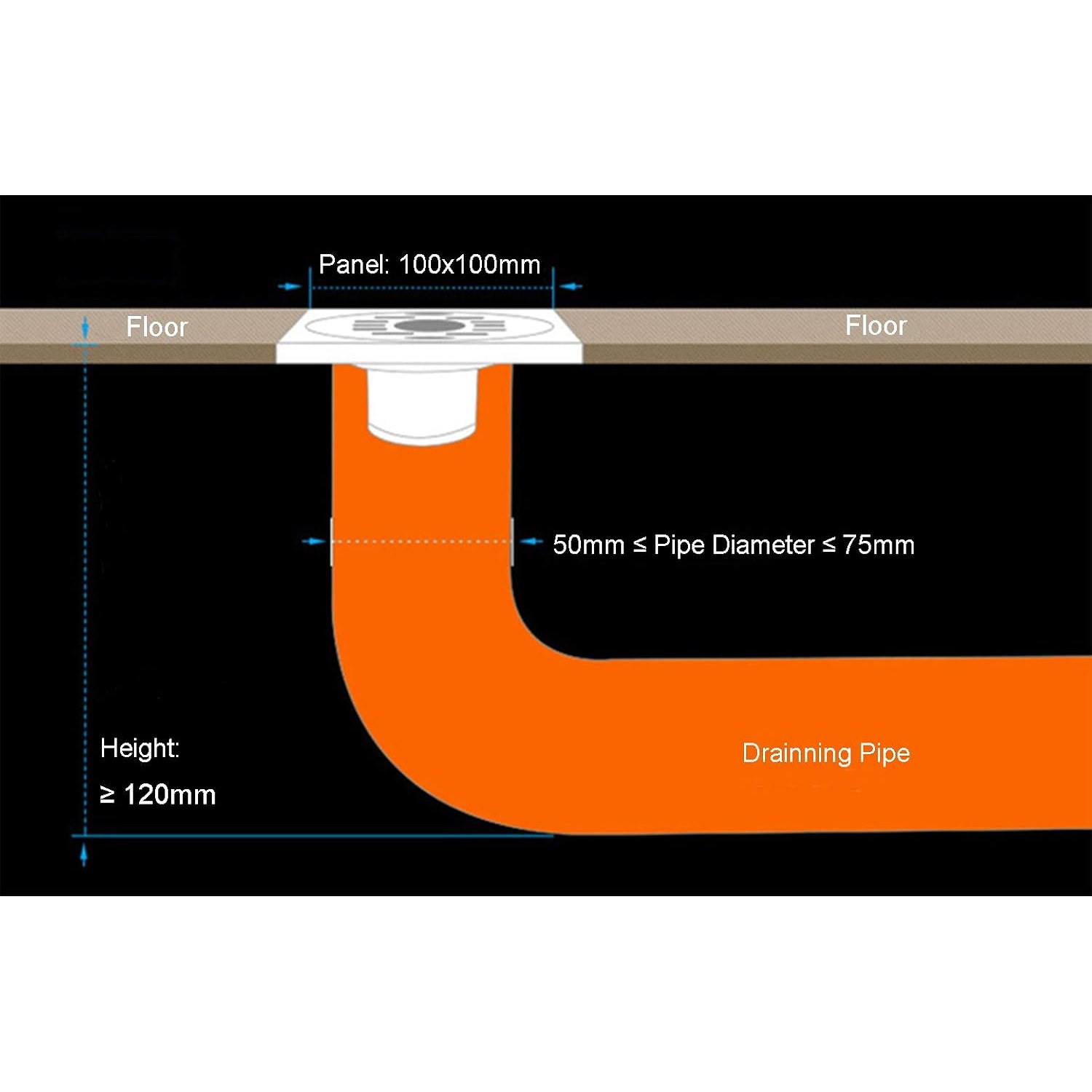
Measure the opening in your floor, corner to corner on the square. Measure the outside diameter of the waste pipe below. Measure the depth you have available between the tile surface and whatever the pipe connects into. Write all three down before you shop. Exact dimensions and pipe compatibility are not specified by the maker, so please check with us against your measurements before ordering.
Then think about the face. A square face lines up with square tiles and looks intentional. A round grate in a square tile pattern always looks like it was added later. If your floor has a strong grout grid, square wins.
Finish is the third consideration. A polished surface wipes clean and resists soap scum better than a rough cast grate, and it sits quietly against most tile colours. A finely textured polished face also gives some grip, which matters in a shower.
Finally, think honestly about maintenance. The best anti odour floor drain is the one you will actually clean. A strainer you can lift out with wet fingers gets cleaned. A grate you need a screwdriver and a torch for does not.
Installation, and when to call someone
If you are swapping a drain into an opening that already matches, it is a straightforward job for a confident DIYer. Clean the recess, dry fit, seal where needed with a neutral cure silicone made for wet areas, and let it cure before running water.
If the job involves cutting tile, altering the waste pipe, or going anywhere near the waterproof membrane around the floor waste, stop and get a licensed plumber. The membrane is what stops water tracking into the building structure, and a small mistake there turns into an expensive repair you will not notice for two years. Plumbing rules also differ between countries and states, so check what applies locally before you start.
There is no shame in handing over a thirty minute job. It is cheaper than a leaking slab.
Keeping it working
The maintenance routine is short. Lift the strainer out, tip the hair into the bin, rinse under warm water, drop it back in. Once a week in a busy shower, less often elsewhere.
Every month or so, take the core out as well and give it a proper rinse. Soap residue builds on the sealing surfaces and that is almost always why a self-closing core stops sitting flat. A quick clean fixes it.
For the visible face, use a soft cloth and a mild household cleaner. Stay away from steel wool, scouring pads, bleach and strong acidic descalers. They mark polished surfaces and the damage does not buff out. In hard water areas, drying the face after cleaning keeps mineral spotting down.
If water starts draining slowly after a clean, the problem is further along the pipe rather than at the grate. That is a different job and usually needs a drain snake or a plumber.
What this drain does not claim
Honesty is worth more than a longer spec sheet. The material composition, colour, exact dimensions, weight and country of origin are not specified by the maker. The finish is listed as polished and the strainer is removable. No batteries are required, which is one of those details a supplier lists because a form field demanded it.
If any of those unspecified details matter to your project, ask before you buy. We would rather answer a question than process a return.
The short version
A square tile insert floor drain earns its keep in two ways. It looks like it belongs in a tiled floor instead of being bolted on, and the removable strainer moves your hair blockage from inside the pipe to somewhere you can reach in ten seconds.
Measure your opening, your pipe diameter and your available depth before ordering. Choose a square face if your floor is tiled in a square grid. Plan to lift the strainer out weekly in a shower and less often elsewhere. Get a plumber involved the moment waterproofing or pipework is in play.
Do that, and the drain goes back to being the thing you never think about, which is exactly what you want from it.